
Opioid Side Effect Management Planner
If you have been prescribed Opioids is a powerful class of medications derived from the opium plant or synthetically manufactured, used primarily for severe pain management., you likely know they provide relief. But you also know the price tag that often comes with it. The gut stops moving, your brain feels foggy, and you might feel like you're going to throw up every time you take the pill. These aren't just annoyances; they are direct chemical reactions in your body that can derail your recovery. In 2023, nearly 8.6 million Americans reported misusing prescription opioids, often because side effects became unbearable or pain wasn't managed well due to dosage changes. You don't have to suffer through them silently. There are proven strategies to handle the physical toll of these drugs.
The Gut Stoppage: Dealing with Opioid-Induced Constipation
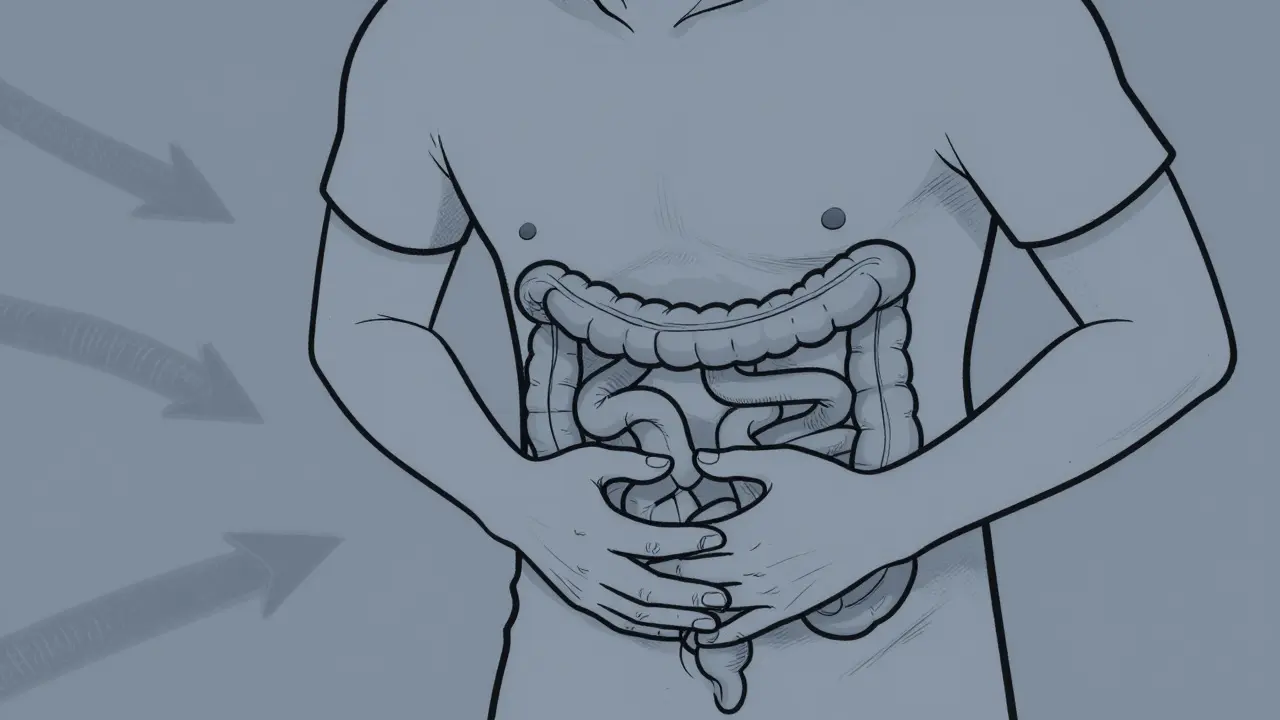
Out of all the complaints patients have, constipation is the big one. It isn't something you eventually "get used to" like other symptoms. It affects virtually everyone who stays on long-term therapy. The American Academy of Family Physicians identifies this as the most common adverse effect occurring with chronic opioid use. It happens because the medication binds to mu-opioid receptors right in your gastrointestinal tract. Your gut slows down its peristalsis (the wavelike muscle contractions that move food along), and it starts absorbing too much water from your stool.
This is a mechanical issue caused by the drug itself. Unlike drowsiness, which fades as your body builds tolerance, Opioid-Induced Constipation typically persists throughout the duration of treatment. Waiting for it to go away usually doesn't work. The guidelines suggest starting prophylactic laxatives the moment you start the pain meds. A combination approach works best:
- Stimulant laxatives: Examples include senna. These kickstart bowel movement.
- Osmotic agents: Things like polyethylene glycol help pull water into the colon to soften stool.
- Targeted therapy: For severe cases, doctors may prescribe methylnaltrexone bromide (Relistor). This was approved specifically for this condition and doesn't cross the blood-brain barrier, meaning it treats the gut without reversing the pain relief in the brain.
If you wait until you are fully blocked, it becomes much harder to fix. Don't view it as optional; consider it part of the dosing schedule.
Mental Fog and Sedation: Why You Feel Tired
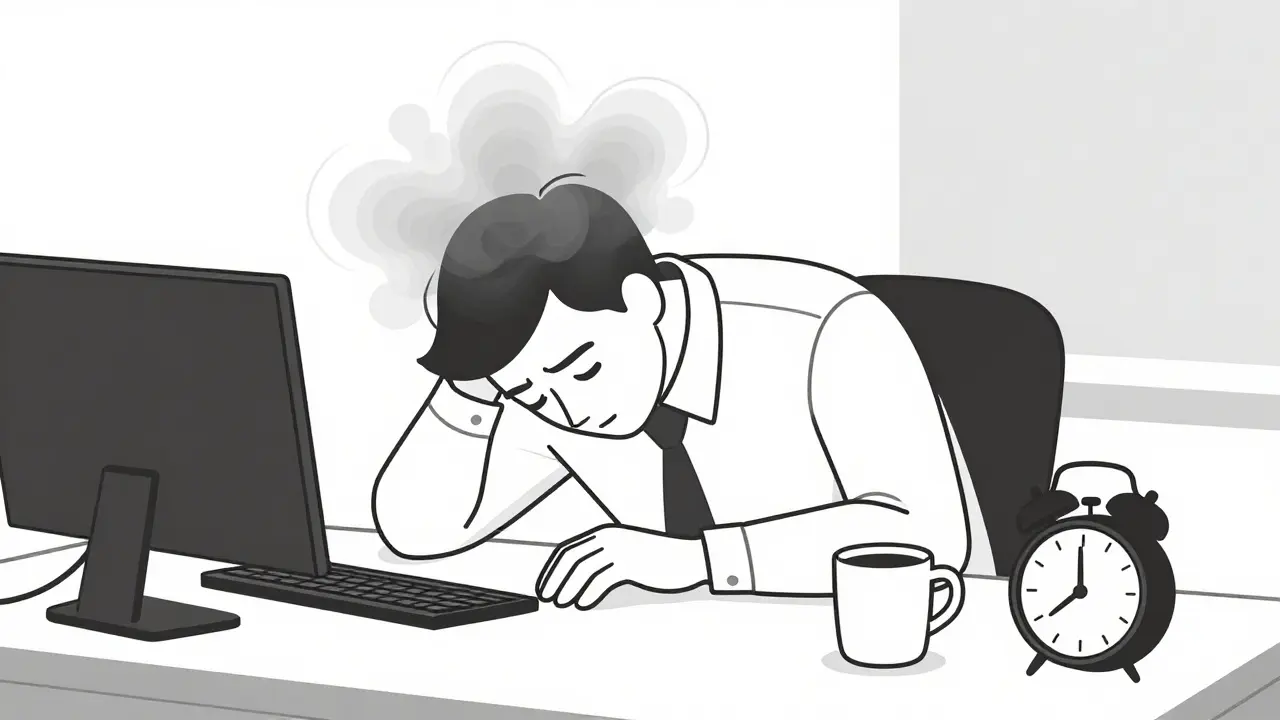
Falling asleep right after taking your dose is a classic sign of sedation. It's estimated that between 20% and 60% of patients experience drowsiness when initiating therapy. This is central nervous system depression. The drug calms your brain activity, which helps with pain but also makes driving or operating machinery dangerous. Here is the good news: unlike the gut issues, tolerance usually develops for this. Most people find that the sleepiness wears off within a few days to weeks as their body adjusts to the drug.
However, for about 10-15% of long-term users, this persistent sedation remains problematic even months later. If you are still feeling heavy after two weeks, talk to your doctor. They might adjust the timing. Taking the medication before bedtime can sometimes sync the drowsiness with your sleep cycle. In rarer refractory cases, clinicians might look at psychostimulants like methylphenidate, though they remain cautious about using stimulants alongside depressants.
You must also watch out for interactions. Combining Benzodiazepines is a class of medications including diazepam and alprazolam that act on the brain similarly to opioids, increasing the risk of respiratory depression. with opioids significantly increases the risk of overdose. The CDC notes that mixing CNS depressants creates a compounding effect on breathing. Always clear your other meds list with your prescriber.
Managing Nausea and Vomiting
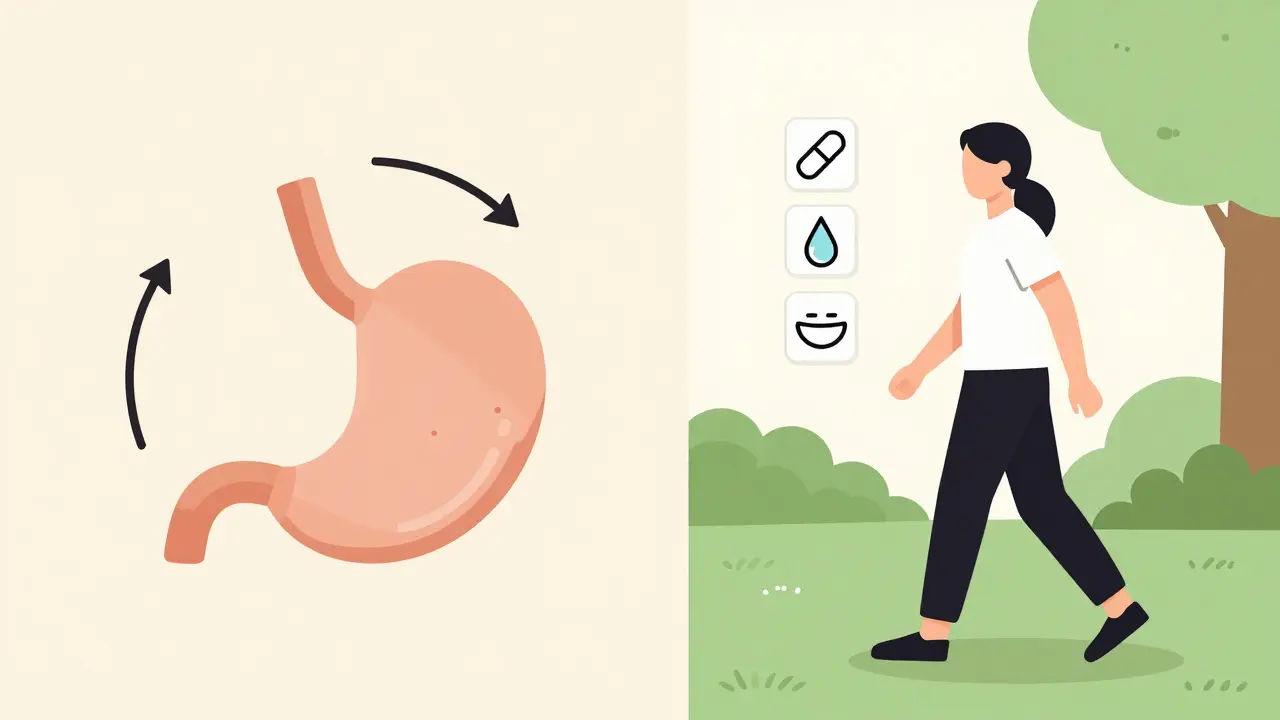
Feeling sick to your stomach happens to roughly 25-30% of patients starting therapy. It occurs through two main paths. First, the drugs stimulate the chemoreceptor trigger zone in your brainstem, essentially hitting the "vomit button." Second, they slow down gastric emptying, leaving food sitting longer than normal.
Fortunately, tolerance also builds here. For most, this subsides after 3 to 7 days. However, if you are among the 10% who experience persistent nausea, there are several classes of antiemetics available. Doctors will usually pick based on what causes your nausea specifically:
- Dopamine antagonists: Medications like metoclopramide or prochlorperazine are typically first-line choices.
- Serotonin antagonists: Ondansetron is often used for chemotherapy-related nausea but works for opioids too.
- Antihistamines: Promethazine can help but adds significant drowsiness, so use with caution if you already feel sleepy.
The goal is to get you past the initial adjustment window so adherence improves. Untreated nausea often leads patients to stop their pain meds early, resulting in uncontrolled pain spikes.
Safety, Withdrawal, and Discontinuation Risks
We often focus on getting on the meds, but coming off them requires equal planning. The FDA issued safety announcements in 2019 highlighting the dangers of abrupt discontinuation. If you stop suddenly, your body rebounds hard. Symptoms like vomiting, diarrhea, sweating, and increased heart rate occur. This isn't just discomfort; rapid discontinuation can lead to psychological distress and uncontrolled pain, potentially driving some to seek unsafe alternatives.
Clinicians now emphasize gradual tapering. This means reducing the dose slowly over weeks or months. Also, remember that opioids are indicated only when other treatments fail. The CDC emphasizes that while opioids manage severe pain, the risk of misuse is real. Over 5 million Americans meet the criteria for opioid use disorder. Knowing your side effects is part of being an informed patient. If you notice breathing slowing, extreme confusion, or pinpoint pupils, those are signs of overdose. Never ignore these red flags.
| Symptom | Persistence | Tolerance Development | Primary Treatment Strategy |
|---|---|---|---|
| Constipation | Persistent | No | Prophylactic Laxatives |
| Drowsiness | Temporary | Yes (usually) | Dose Timing / Adjustment |
| Nausea | Temporary | Yes (usually) | Antiemetics |
Practical Next Steps for Patients
Start low and go slow. This phrase is gold for minimizing initial shock to your system. When you begin a new regimen, ensure you have a bowel plan in place from Day One. Keep a log of symptoms-if drowsiness lasts past week three, tell your provider. Do not mix alcohol with opioids; it increases the sedative burden on your liver and lungs. Finally, trust the process but listen to your body. Effective pain management requires a balance where you feel better without losing the ability to function.
Will constipation ever go away on its own?
Unlike other side effects, constipation typically persists throughout opioid therapy. Tolerance does not develop to the gastrointestinal effects. Prophylactic laxatives are essential and should be started immediately, not just when symptoms appear.
How long does drowsiness last?
Most patients experience drowsiness during initiation or dose increases, which usually resolves within several days to weeks as tolerance develops. Persistent sedation beyond this period affects only about 10-15% of users.
Is it safe to stop opioids abruptly?
No. Abrupt discontinuation can cause withdrawal symptoms like vomiting and diarrhea, leading to serious harm. The FDA recommends a gradual tapering schedule under medical supervision.
What medications help with opioid nausea?
Common treatments include dopamine antagonists like metoclopramide, serotonin antagonists like ondansetron, and antihistamines like promethazine. Choice depends on whether the nausea stems from the brain stem or delayed gastric emptying.
Can I drink alcohol while taking opioids?
It is generally advised against. Both substances act as CNS depressants. Mixing them significantly increases the risk of respiratory depression, overdose, and severe drowsiness.

Comments
Cameron Redic
I honestly think most doctors completely underestimate the severity of the bowel issues when starting these meds.
Kendell Callaway Mooney
You should definitely start your bowel regimen before the constipation even starts showing up.
Waiting until you feel backed up makes fixing the problem way harder than it needs to be.
Simple osmotic agents work wonders if you take them consistently every morning.
People tend to stop taking the laxatives once they feel okay which causes problems to return.
Carolyn Kask
It is so funny how everyone expects the drug company to fix everything perfectly without any consequences.
We are asking our bodies to handle synthetic chemicals designed for severe cancer pain.
The human system wasn't built to take this stuff daily without fighting back.
Blaming the medication for doing what it was chemically engineered to do seems wrong.
Katie Riston
The gut reaction to opioids is something people rarely talk about openly.
Most folks focus entirely on the pain relief part of the equation.
They ignore how much their body fights back against the chemicals.
Constipation really stays with you no matter how long you are on it.
I noticed that tolerance builds up for the tired feeling quickly enough.
Yet the bowel issues remain stubborn regardless of the duration.
Doctors often forget to stress the laxative requirement early on.
Patients assume they will figure it out when the time comes later.
That assumption leads to unnecessary suffering during treatment.
Nausea is another beast that hits hard right at the beginning.
Fortunately that symptom tends to fade after a week or so.
It is important to track which symptoms persist over months.
Distinguishing temporary reactions from permanent ones saves a lot of stress.
Managing the side effects requires a proactive mindset from day one.
Ignoring the signs until things get bad usually results in worse outcomes.
Biraju Shah
While the chemistry is fixed there are ways to mitigate the impact significantly.
Everyone deserves a quality life while managing their chronic pain condition.
Charles Rogers
Tolerance development is the key factor here for the brain fog sensation.
emma ruth rodriguez
The pharmacological interaction between sedation and respiratory depression cannot be overstated.
Patients must understand the risk profile thoroughly before initiating therapy regimens.
Combining depressants creates a dangerous synergy that threatens airway patency immediately.
Beccy Smart
Just started my new script yesterday and already feeling the sleepy vibes 😴🙈
Marwood Construction
Understanding the mechanism of action helps patients anticipate the adverse events correctly.
Gastric slowing explains why food sits longer than normal in the stomach cavity.
This mechanical explanation provides clarity on why antiemetics are necessary tools.
Rick Jackson
Balance is always the ultimate goal in pain management protocols.
Getting functional back allows people to live normally despite needing help.
sanatan kaushik
Mental state matters a lot when dealing with long term chemical exposure.
Fighting the side effects instead of accepting them changes everything about recovery rates.