
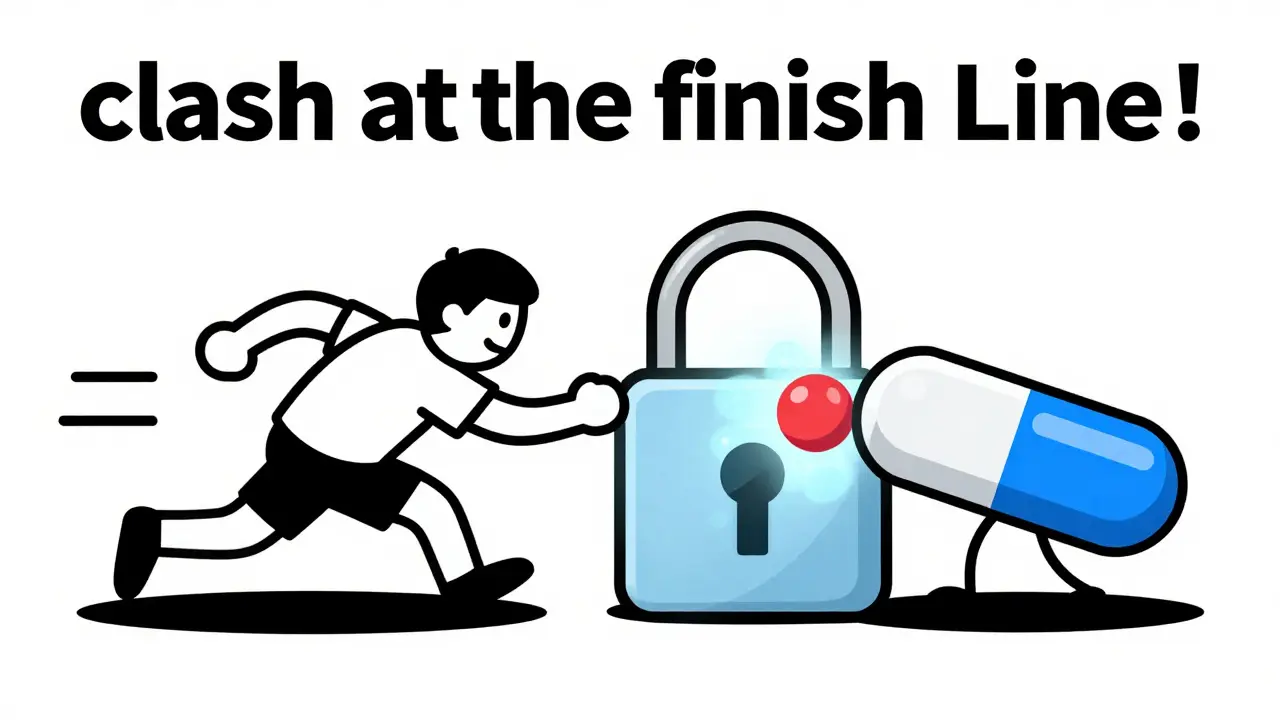
To understand how this works, we have to look at the difference between pharmacokinetics and pharmacodynamics. Think of pharmacokinetics as the "logistics"-how a drug gets into your body, where it goes, and how it leaves. If a drug blocks another from being absorbed in the gut, that's a pharmacokinetic issue. Pharmacodynamics, however, is the "action." It happens at the site of drug action, usually at a receptor. If two drugs are both present in the blood at the right levels but one blocks the other from hitting its target, you have a pharmacodynamic interaction. Because these don't rely on metabolism or excretion, you can't always fix them by simply adjusting the dose; sometimes, the only solution is to stop one of the medications entirely.
How Drugs Clash: The Three Main Interaction Types
Not all drug combinations result in a failure of treatment. In fact, some are designed to work together. Experts generally group these interactions into three categories based on the final result: additive, synergistic, and antagonistic.
- Additive Effects: This is a simple 1+1=2 scenario. If you take two different sedatives, the combined sleepiness is roughly the sum of what each would do alone.
- Synergistic Effects: This is where 1+1=3. The drugs amplify each other, creating a response much stronger than expected. A great clinical example is the combination of trimethoprim and sulfamethoxazole
The Mechanics of the Interaction
So, how does this actually happen inside your cells? It usually comes down to a few specific mechanisms. The most common is receptor competition. Receptors are like locks, and drugs are the keys. If two drugs are competing for the same lock, the one with the higher affinity (the stronger "grip") usually wins. If a drug with high affinity binds to a receptor and doesn't activate it, it blocks other drugs from getting in.
Another mechanism is physiological antagonism. Here, the drugs don't even need to hit the same receptor; they just trigger opposite biological responses. For example, some NSAIDs (like ibuprofen) can interfere with the way ACE inhibitors lower blood pressure. They do this by inhibiting renal prostaglandin synthesis, which can reduce blood flow to the kidneys by about 25%, making the blood pressure medication less effective.
| Mechanism | What Happens | Real-World Example | Typical Outcome |
|---|---|---|---|
| Receptor Competition | Two drugs fight for the same receptor site | Beta-blockers vs. Beta-agonists | Reduced drug efficacy |
| Physiological Antagonism | Drugs trigger opposite systemic effects | NSAIDs vs. ACE Inhibitors | Opposing clinical results |
| Synergy | Drugs amplify each other's effects | Trimethoprim + Sulfamethoxazole | Enhanced therapeutic power |
| Chemical Antagonism | Drugs bind to each other before hitting the receptor | Certain chelating agents and metals | Neutralization of the active agent |
High-Risk Combinations and Red Flags
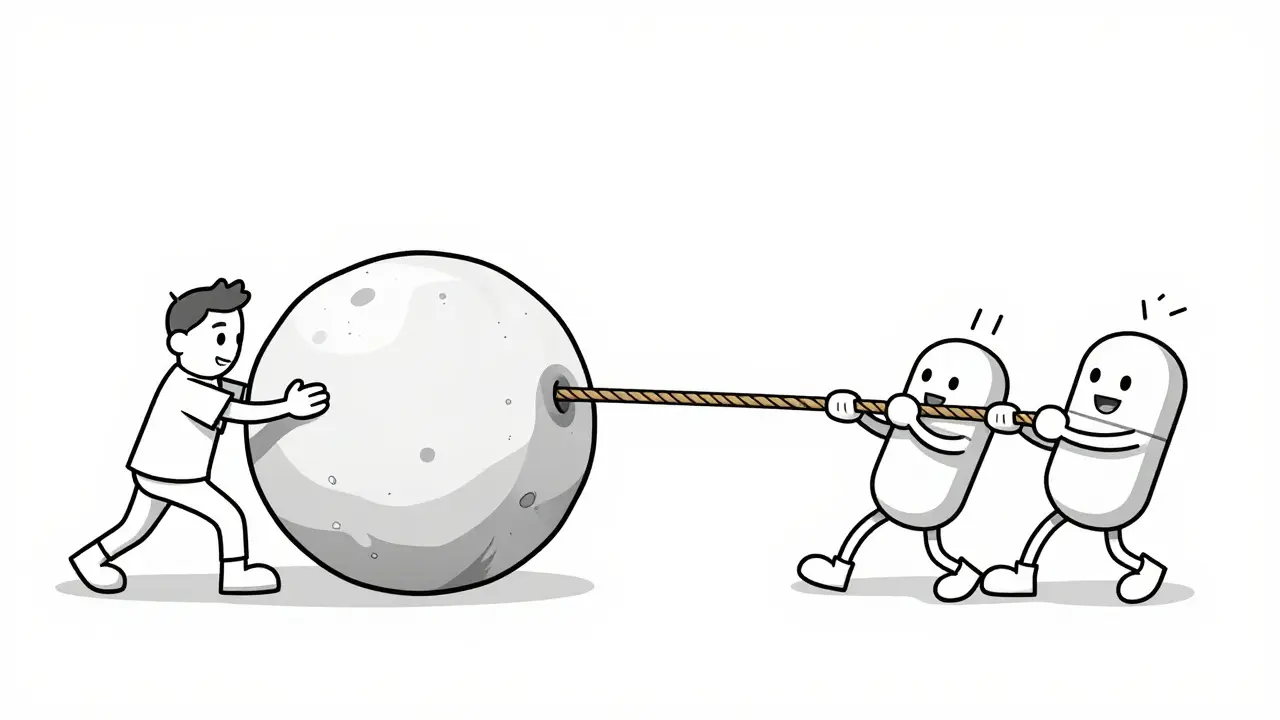
While some interactions are just nuisances, others are life-threatening. The danger spikes when you use drugs with a narrow therapeutic index-meaning the window between a "helpful dose" and a "toxic dose" is very small. Data shows that 83% of life-threatening pharmacodynamic interactions involve at least one such drug.
One of the most feared scenarios is serotonin syndrome. This occurs when medications that increase serotonin levels are combined. For instance, mixing SSRIs (common antidepressants) with MAOIs can increase the risk of this toxic state by 24-fold. It's not just about antidepressants, either; combining the antibiotic linezolid with sertraline has been known to land patients in intensive care due to this exact interaction.
Another critical risk involves the combination of anticoagulants and antiplatelet agents. Because both types of drugs thin the blood through different mechanisms, the synergistic effect can lead to uncontrollable bleeding. This is one of the most common dangerous interactions reported by physicians, appearing in nearly 38% of reported pharmacodynamic complication cases.
Managing the Risk in a Polypharmacy World
As we get older, we tend to take more meds. With the global population over 65 expected to hit 1.5 billion by 2050, and the average senior taking nearly five prescriptions at once, the risk of these clashes grows. Managing this requires more than just a computer alert. While clinical decision support systems have cut errors by 37%, they still miss about 22% of significant interactions because their algorithms are often too simple to catch complex physiological overlaps.
The gold standard for prevention is a pharmacist-led medication review. By analyzing the actual receptors and biological pathways involved, pharmacists can reduce adverse events by as much as 58% in elderly patients. This is especially true for the common clash between blood pressure meds and NSAIDs. Instead of relying on a pop-up warning, a human expert looks at the patient's specific kidney function and receptor profile to decide if a combination is safe.
The Future of Prediction and Prevention
We are moving away from "trial and error" pharmacology. New machine learning algorithms are being developed to predict these clashes before the first pill is swallowed. One recent study at UCSF achieved 89% accuracy in predicting serotonin syndrome risk by analyzing complex polypharmacy regimens.
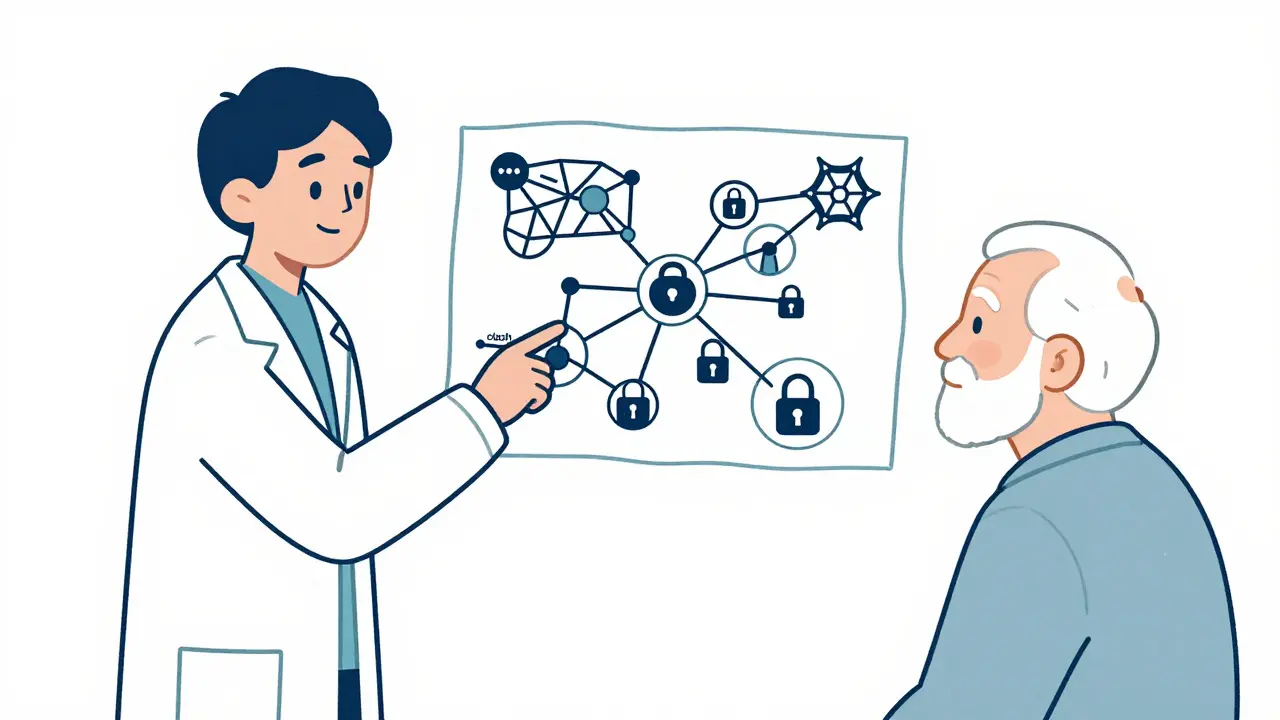
Furthermore, the FDA now requires specific pharmacodynamic studies for all new drugs targeting the central nervous system. We are seeing a shift toward systems pharmacology, where the entire network of a patient's biological pathways is mapped. This allows doctors to see not just if Drug A interacts with Drug B, but how Drug A, B, and C together affect a specific physiological system, turning medicine from a reactive practice into a proactive, personalized science.
What is the main difference between pharmacodynamic and pharmacokinetic interactions?
Pharmacokinetic interactions affect how the body handles the drug-its absorption, distribution, metabolism, and excretion (the "logistics"). Pharmacodynamic interactions happen at the site of action, such as a receptor, and change the drug's effect without changing its concentration in the blood (the "action").
Can pharmacodynamic interactions be beneficial?
Yes. Synergistic interactions are often used therapeutically. For example, trimethoprim and sulfamethoxazole are combined to create a more powerful antibacterial effect, allowing doctors to use lower doses of each drug to achieve the same result.
What is a "narrow therapeutic index" and why does it matter here?
A narrow therapeutic index means there is a very small difference between the dose that treats the condition and the dose that becomes toxic. These drugs are highly sensitive, so a pharmacodynamic interaction that slightly boosts the drug's effect can accidentally push a patient into toxicity.
How can I tell if my medications are interacting this way?
It can be hard to tell because you won't see a change in the drug's level in your blood. Signs include a sudden lack of effectiveness (antagonism) or an unexpected increase in side effects (synergy). Always provide a full list of medications, including over-the-counter NSAIDs, to your pharmacist.
Is it possible to fix these interactions by changing the dose?
Unlike pharmacokinetic interactions, which can often be managed by lowering or raising a dose, pharmacodynamic interactions often involve receptor blocking. If one drug completely blocks the receptor, increasing the dose of the other drug may not work and could instead increase toxicity.

Write a comment