
TENS machine: How it works, what it helps with, and what you should know before using one
When you need pain relief without pills, a TENS machine, a device that sends mild electrical pulses through the skin to interfere with pain signals. Also known as transcutaneous electrical nerve stimulation, it’s one of the most common non-drug tools used for chronic pain, muscle soreness, and post-surgery discomfort. Unlike opioids or NSAIDs, it doesn’t change your chemistry—it just interrupts the pain messages your nerves send to your brain.
People use TENS machines for lower back pain, arthritis, menstrual cramps, and even sports injuries. It’s not a cure, but it can give you hours of relief without drowsiness or stomach issues. The device works by stimulating nerves in two ways: high-frequency pulses block pain signals from reaching your brain, while low-frequency pulses trigger your body to release natural painkillers like endorphins. You’ll feel a tingling or buzzing sensation—strong enough to notice, but never painful. Many users find it helpful when physical therapy or stretching alone isn’t enough.
It’s not for everyone. If you have a pacemaker, are pregnant (especially in the first trimester), or have epilepsy, you should avoid it unless your doctor says it’s safe. The electrodes must be placed correctly—wrong positioning won’t help and could irritate your skin. You can buy TENS machines over the counter, but cheaper models often lack adjustable settings or consistent power, which makes them less effective. Look for ones with multiple modes and timers so you can customize the session length and intensity.
Some people swear by it. Others feel nothing at all. That’s normal. Effectiveness depends on your pain type, nerve sensitivity, and how consistently you use it. It works best as part of a broader plan—paired with movement, heat, or even breathing techniques. The key is trying it for at least a week, tracking your pain levels, and seeing if the relief lasts beyond the session.
Below, you’ll find real-world insights from people who’ve used TENS machines alongside medications, physical therapy, and lifestyle changes. Some found it life-changing. Others learned it wasn’t right for them. Either way, you’ll get honest, practical advice—not marketing fluff—on how to decide if it’s worth a try for your pain.
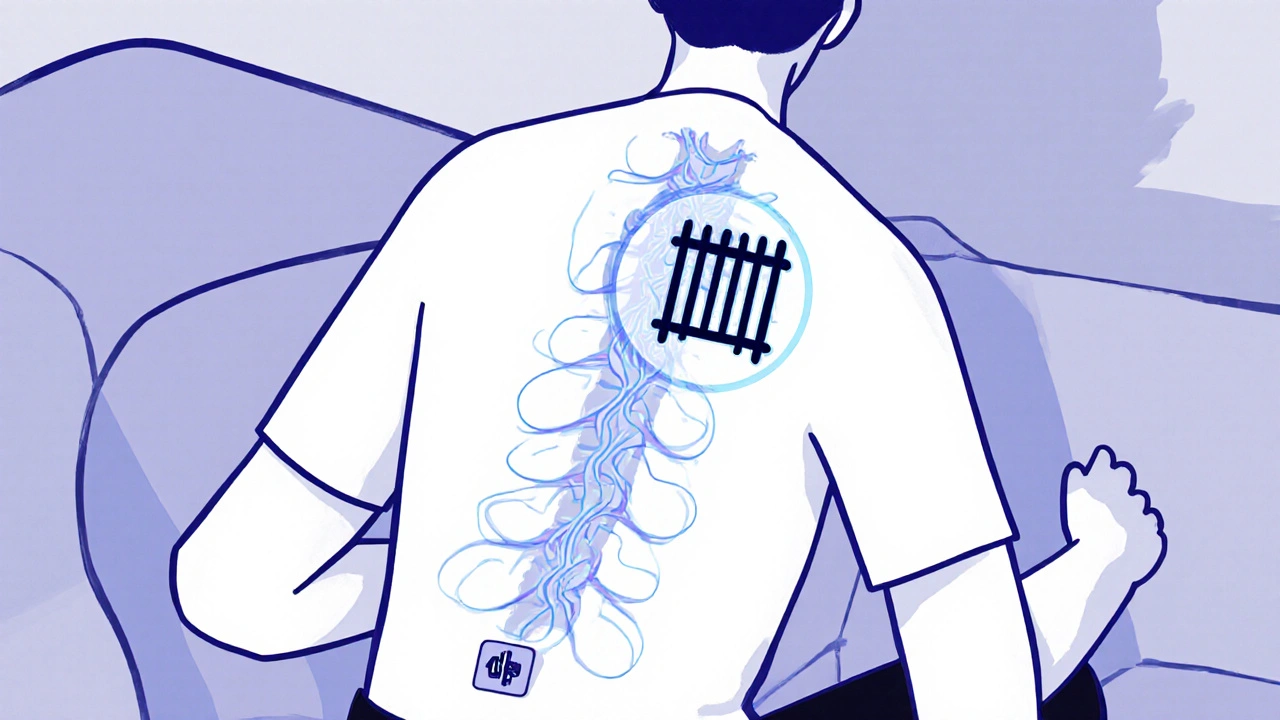
TENS Therapy for Pain Relief: How Transcutaneous Electrical Nerve Stimulation Works
TENS therapy uses gentle electrical pulses to block pain signals and trigger natural painkillers. Learn how it works, where to place the pads, which settings to use, and who benefits most - without drugs or side effects.
read more