
The Silence That Puts You at Risk
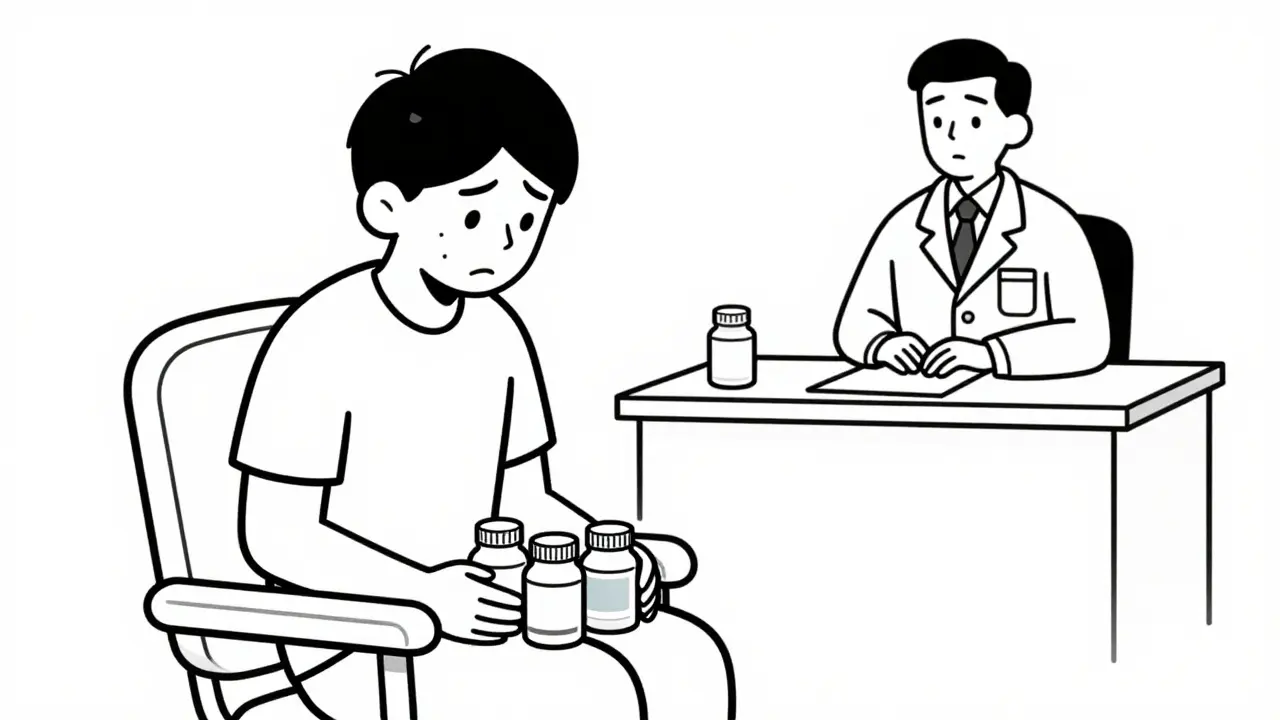
You walk into the clinic. You fill out a form listing your blood pressure pills and cholesterol medication. Then you sit down, and the doctor asks about your health history. You tell them everything-except the three bottles in your morning cabinet. Maybe you take turmeric for inflammation, magnesium for sleep, or garlic pills for your heart. You assume these are harmless because they come from nature. But that assumption puts serious gaps in your care.
Research shows that more than half of all adults use dietary supplements, yet only about one-third tell their doctors about it. This creates a hidden danger zone where your natural remedies might cancel out your prescriptions or cause dangerous side effects. When you hide what you take, you aren't protecting your privacy; you are hiding vital data from the person trying to heal you.
Dietary Supplements are products taken by mouth containing ingredients like vitamins, minerals, herbs, or botanicals intended to supplement the diet. Also known as Nutritional Supplements, they include anything from multivitamins to concentrated herbal extracts. Unlike prescription drugs, these items often bypass strict safety testing before reaching store shelves.What Exactly Needs to Be Disclosed?
Many people think supplements are just vitamins. In reality, the category is much broader. If you put it in your body regularly, your doctor needs to know.
- Vitamins and Minerals: Multivitamins, Vitamin D, Calcium, Magnesium.
- Herbal Remedies: Echinacea, Ginkgo Biloba, Ginseng, Turmeric, St. John’s Wort.
- Botanicals: Plant-based extracts used for stress or energy.
- Amino Acids: Protein powders, branched-chain amino acids (BCAA).
- Fatty Acids: Fish oil, Omega-3 capsules.
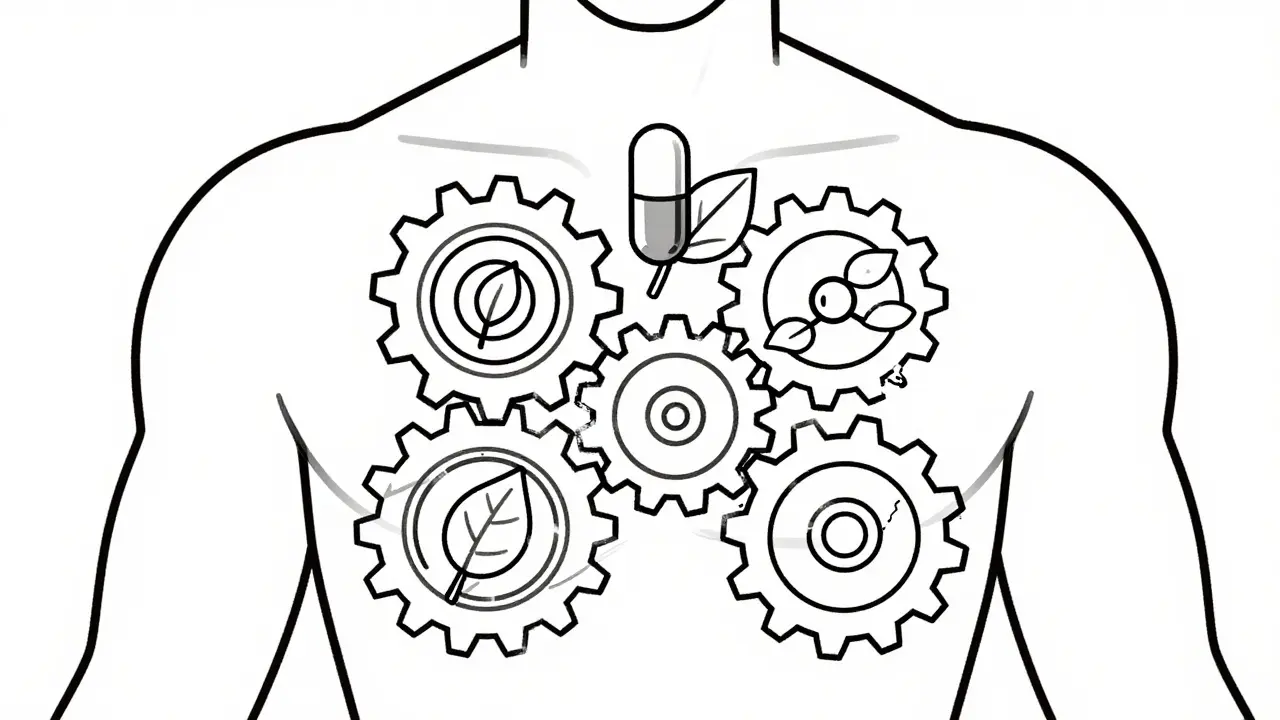
Even if it is "natural," your liver processes these compounds. Just like alcohol or caffeine, they occupy metabolic pathways. A study in the Journal of Family Medicine noted that disclosure rates drop significantly when patients believe their provider won’t understand or approve. However, keeping this information secret leaves your medical team flying blind.
The Real Danger: Herb-Drug Interactions
Here is the most critical fact: Natural does not mean safe. Plants contain chemicals that affect your physiology. Sometimes, these chemicals clash with the medications your provider prescribed.
| Supplement | Medication Class | Potential Risk |
|---|---|---|
| St. John’s Wort | Antidepressants, Birth Control, Anticoagulants | Reduces effectiveness of meds due to enzyme induction |
| Ginkgo Biloba | Blood Thinners (Warfarin) | Increases bleeding risk significantly |
| Cranberry Extract | Anticoagulants | May alter drug metabolism leading to clots or bleeding |
| Kava | Sedatives, Anxiety Meds | Compounds effects causing extreme drowsiness or liver strain |
| Turmeric | Blood Pressure Meds | Can lower BP too much when combined with standard drugs |
For example, St. John’s wort is widely used for mild depression or mood support. It induces liver enzymes that break down other medications faster than intended. If you are taking oral contraceptives, this herb can make them fail. If you are on anticoagulants for heart health, it could increase the chance of a stroke. A 2023 analysis by the FDA highlighted that adverse events from complementary medicine are relatively rare but carry substantial risks when ignored.
Why Do Patients Keep Secrets?
It is rarely malice. Most people simply forget or feel awkward bringing it up. A survey by ConsumerLab.com found that nearly 70 percent of users felt their healthcare providers didn’t need to know because “it’s just a vitamin.” Others fear judgment. They worry the doctor will lecture them or suggest quitting immediately.
This hesitation stems from two barriers:
- Time Constraints: Appointments average 15 minutes. Patients prioritize acute issues over preventative habits.
- Knowledge Gap: Only 27 percent of physicians feel adequately trained in integrative medicine. They may be unsure how to evaluate a label, so patients assume silence is safer than confusion.
However, Dr. Edzard Ernst, former Professor of Complementary Medicine, famously stated that the most dangerous aspect of herbal medicine isn’t the herb itself, but the fact that patients don’t tell their doctors they are using them. Silence creates a vacuum where assumptions fill the space with wrong answers.
How to Prepare Before the Appointment
Don’t wait until you are sitting in the chair to remember your morning routine. Effective disclosure starts before you leave home.
1. Bring the Bottles
Memory fails. Labels change. The most accurate way to inform your provider is to bring the physical containers. A study published in Montana State University Extension explicitly recommends this practice. It eliminates confusion about dosage and specific ingredients. Many products have similar names but vastly different concentrations.
2. Create a Written List
If carrying every bottle is impossible, write it down. Include the name, brand, daily dose, and why you take it. This helps distinguish between a temporary boost you took last week and a daily regimen.
3. Check Online Resources
Before going, look up potential interactions on authoritative sites like the National Center for Complementary and Integrative Health (NCCIH). Knowing a basic question like "Does this interact with my statins?" shows engagement and prompts deeper conversation.
Healthcare Provider refers to a professional licensed to diagnose, treat, or prevent illness and injury in patients. This group includes Primary Care Physicians, specialists, nurses, and pharmacists who coordinate your safety protocols.Navigating the Conversation
When you finally speak, keep it direct. Start by asking, "Are there any supplements that interact with the treatments we are discussing today?" This opens the door without requiring you to confess everything at once.
Some providers use screening tools. A 2021 study showed that standardized five-question screens increased disclosure rates from 33 percent to 78 percent in primary care. If your doctor doesn't ask, you must volunteer.
Be honest about frequency. Taking something once is different from a daily habit. Also, disclose changes. If you stopped taking something recently, mention it. If you started a new herbal tea last month, mention it. Every variable affects your baseline health metrics.
The Role of Technology in Disclosure
We are moving toward a future where this becomes automatic. The MyMedList app, developed by the University of Arizona Center for Integrative Medicine, demonstrated improved accuracy in tracking supplements compared to verbal reports alone. Digital health tools allow patients to log intake and share data instantly with electronic health records.
By 2026, the National Institutes of Health strategic plan anticipates mandatory supplement disclosure fields in all electronic health records. Until then, you are the gatekeeper. You hold the master list of what goes into your body.
Building Trust Through Transparency
Disclosure isn't just about avoiding bad reactions; it's about optimizing your treatment. For patients with chronic conditions, like diabetes or hypertension, the combination of standard care and lifestyle supports works best when aligned. Doctors cannot prescribe correctly if they ignore the background noise of your supplement routine.
Users who disclosed reported higher trust in their providers. One forum member shared that after finally mentioning her turmeric use to a cardiologist, he warned her about blood pressure drops immediately. That single moment prevented a fall risk later on. Sharing creates a partnership.
Keep in mind that not all providers know everything about supplements. If they admit a gap, ask if they can consult with a pharmacist or refer you to an integrative specialist. There is no shame in saying, "I need help understanding if this fits with my prescription." That is exactly why you are visiting them.
Summary Checklist for Your Next Visit
- Gather all pill bottles and nutritional containers.
- Write down dosages and times of day.
- Note reasons for taking each item (pain, sleep, mood).
- Ask specifically about interactions before leaving the office.
- Update the medical record request if not done digitally.
Your health is a puzzle made of many pieces. Prescriptions are just some of them. Supplements, food choices, and stress levels make up the rest. By giving your provider the full picture, you allow them to solve the puzzle correctly for you.

Comments
Rod Farren
From a pharmacological standpoint, the issue lies within the cytochrome P450 enzyme induction processes. Many botanical agents significantly accelerate the hepatic metabolism of standard pharmaceuticals leading to subtherapeutic blood levels. We observe this frequently with warfarin interactions involving Ginkgo Biloba usage patterns. Pharmacokinetics demand precise dosage tracking which is impossible without full disclosure of supplemental intake. Bioavailability varies wildly between brands making generic assumptions dangerous for patient safety protocols. Integrative medicine requires merging these two distinct regulatory frameworks effectively.
Eleanor Black
It is truly heartbreaking to see how many patients hide their routines from medical staff. :) We often feel that privacy is more important than safety in those moments. :(( But consider the metabolic pathways involved in every single tablet we swallow daily. The liver works tirelessly to filter substances without our conscious permission. Ignoring this biological fact creates a dangerous gap in our personal health records. ) Many individuals believe that nature provides a safe haven from chemical side effects. This assumption overlooks the potent active compounds found within common herbs today. St. John’s Wort alone has the power to alter enzyme activity significantly. Without disclosure, a standard prescription could become less effective overnight. Trusting a doctor requires opening up about every bottle on your bathroom counter. It takes courage to admit we rely on supplements for sleep or anxiety relief. Healthcare providers need the full data set to calculate accurate treatment plans effectively. Silence breeds assumptions which often lead to negative clinical outcomes eventually. We must prioritize transparency over the fear of judgment during these appointments. Your health journey depends on honesty regarding every substance you intake regularly.
Molly O'Donnell
The idea that natural equals safe is the biggest lie in modern medicine today.
Sharon Munger
i totally agree we need to bring teh bottles in every time doctors want to see what we actually take instead of guessing. its really hard to remember names off top of head so label reading helps alot. everyone should just do this for safety sake
Rocky Pabillore
Unfortunately the average person lacks the intellectual capacity to understand basic drug interactions until something catastrophic occurs in their living room. Education seems lost on the masses who prefer convenient marketing over rigorous scientific scrutiny. We should expect higher standards from patients who claim autonomy over their own biology.
Cullen Zelenka
Remember that asking your pharmacist about potential overlaps is always a great step forward for your care team. Many professionals are eager to help if given the chance to review the labels beforehand. You are capable of managing this information successfully.
Julian Soro
This is such a vital topic to cover before any procedure starts happening. Bringing physical containers solves so much confusion right there in the exam room. We can really optimize health outcomes when the full picture gets shared openly. Everyone deserves the best care possible!
Russel Sarong
This is SO incredibly important!!!! Why do people hide things??,, it just ruins everything!!! The sheer drama of ignoring these warnings is tragic beyond belief,,, imagine the chaos!!! We must ALL stop pretending,,,,.
Owen Barnes
I belive it is extremly crucial for patient safety to disclose everthing. Teh medical record should reflect all intakes. Recieving proper care is a fundamental right that requires honesty. Thank you for shairing this informaiton.
Callie Bartley
I hate when doctors act like they know everything while ignoring what actually matters. It feels like a huge waste of time to fill forms nobody reads properly anyway. The whole system is just broken honestly.
Christopher Beeson
The silence between man and medicine represents a profound void in the pursuit of truth. We construct walls of secrecy thinking they protect us from judgment yet they ultimately shield us from healing. True autonomy requires the vulnerability of complete transparency before authority. Ignorance of interaction is ignorance of self.