
You might think that adding a "natural" supplement to your routine is a safe bet, but the reality is often more complicated. Green Tea Extract is a concentrated supplement derived from Camellia sinensis leaves, packed with bioactive compounds like catechins and caffeine. While drinking a cup of tea is usually harmless, the concentrated extracts found in capsules are a different story. They can act like a "chemical roadblock," stopping your prescription meds from getting into your bloodstream or changing how your liver processes them.
If you're taking medication for blood pressure, cholesterol, or more serious conditions like cancer, adding a high-dose extract could accidentally sabotage your treatment. The goal here isn't to scare you off healthy habits, but to help you understand where the actual risks lie so you can talk to your doctor with the right facts.
Quick Safety Summary
- Concentration Matters: Capsules have 5-10 times more active compounds (EGCG) than brewed tea.
- Absorption Risks: Certain extracts can block the absorption of heart and cholesterol meds.
- Critical Warnings: Some combinations, especially with oncology drugs, can lead to treatment failure.
- The Caffeine Factor: High caffeine levels in extracts can clash with stimulants or asthma meds.
- Timing is Key: A 4-hour gap between supplements and meds can reduce risk by 60%.
How Green Tea Extract Actually Interferes With Drugs
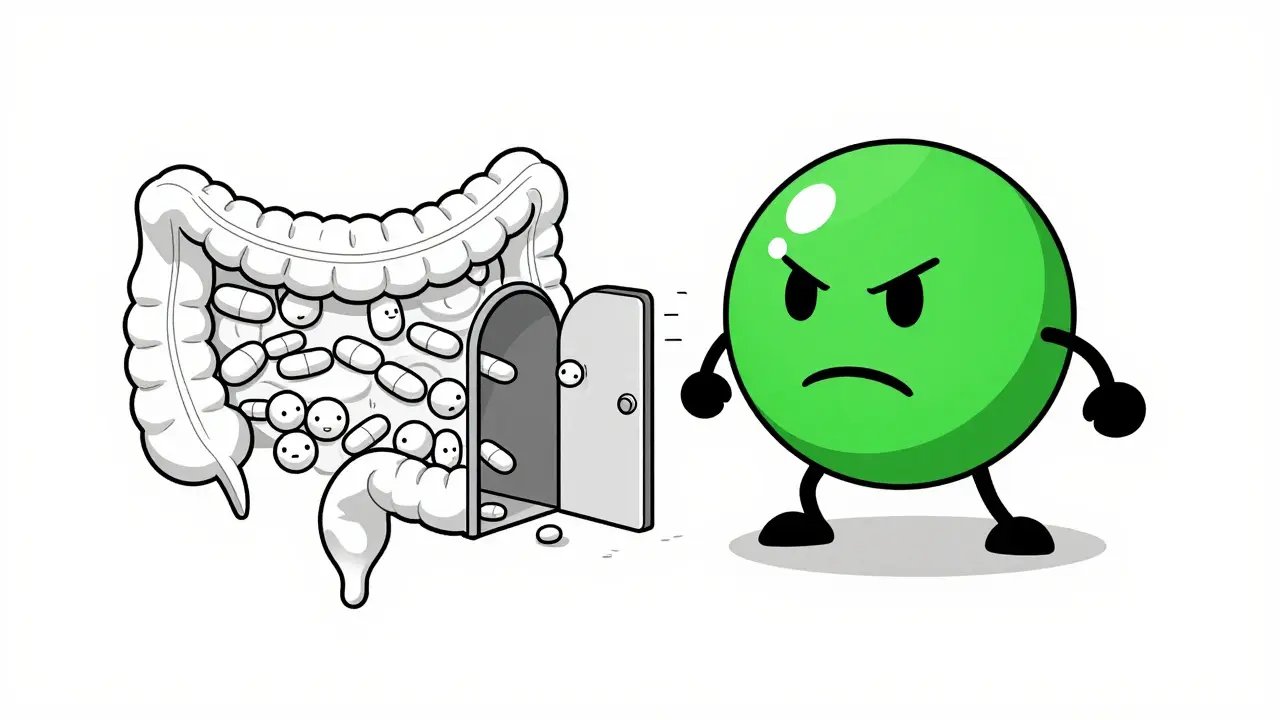
To understand why these interactions happen, you have to look at the chemistry. The main culprit is EGCG (epigallocatechin gallate), a powerful antioxidant that, in high doses, becomes a bit too aggressive. EGCG inhibits drug transporters-think of these as the "gates" in your gut and liver that let medicine into your system.
When EGCG blocks these gates, your medication stays in your digestive tract and gets flushed out instead of entering your blood. On the flip side, Caffeine, also found in these extracts, acts as a stimulant. When you combine it with other stimulants or certain heart medications, it can push your heart rate and blood pressure into a danger zone.
High-Risk Medications: What to Watch Out For
Not every drug is affected, but some of the most common prescriptions are. Based on clinical data, here are the primary areas of concern. If you see your medication on this list, you should treat green tea extract with caution.
| Medication Name | Effect of Green Tea Extract | Potential Risk |
|---|---|---|
| Nadolol (Corgard) | Decreases absorption by ~83% | Blood pressure stays too high |
| Atorvastatin (Lipitor) | Reduces absorption by up to 40% | Higher cholesterol levels |
| Bortezomib (Velcade) | EGCG binds directly to the drug | Reduced cancer treatment efficacy |
| Lisinopril | Decreases absorption by ~25% | Poor blood pressure control |
| Imatinib (Gleevec) | Lowers bioavailability by 30-40% | Reduced effectiveness of therapy |
The Danger of the "More is Better" Mindset
Many people assume that if a little bit of something is healthy, a lot of it must be a miracle cure. This is a dangerous assumption with catechins. While drinking one or two cups of brewed green tea daily usually has a mild effect, concentrated supplements are a different beast. A typical capsule might provide 250-500 mg of EGCG, whereas a cup of tea only gives you about 50-100 mg.
For patients on "narrow-therapeutic-index" drugs-meds where the difference between a working dose and a toxic dose is very small-this jump in concentration is critical. For example, some patients taking cardiovascular medications have experienced treatment failure specifically after starting high-dose EGCG supplements (over 500 mg/day). This proves that the interaction is dose-dependent; the more concentrated the extract, the higher the risk of a medical mishap.
Caffeine and Cardiac Stimulation
We can't ignore the caffeine. Green tea extracts often contain significant amounts of caffeine, which can compound with other drugs. If you use beta-agonists (like albuterol) for asthma, the combined stimulant effect can spike your heart rate by 20-30 beats per minute. It's not just about feeling "jittery"; it's about putting unnecessary stress on your heart.
Similarly, those taking ADHD medications like Adderall have reported heart palpitations when combining them with these extracts. Even sedatives aren't safe; taking green tea with pentobarbital can slash the sedative's effectiveness by 40%, essentially canceling out the drug's intended purpose.
Practical Steps to Stay Safe
You don't necessarily have to quit your supplements cold turkey, but you do need a strategy. The first step is simple: check your labels. Shockingly, only about 12% of green tea extract products clearly warn about drug interactions. Don't rely on the bottle; rely on a pharmacist.
If you and your doctor decide the supplement is still worth taking, follow these ground rules:
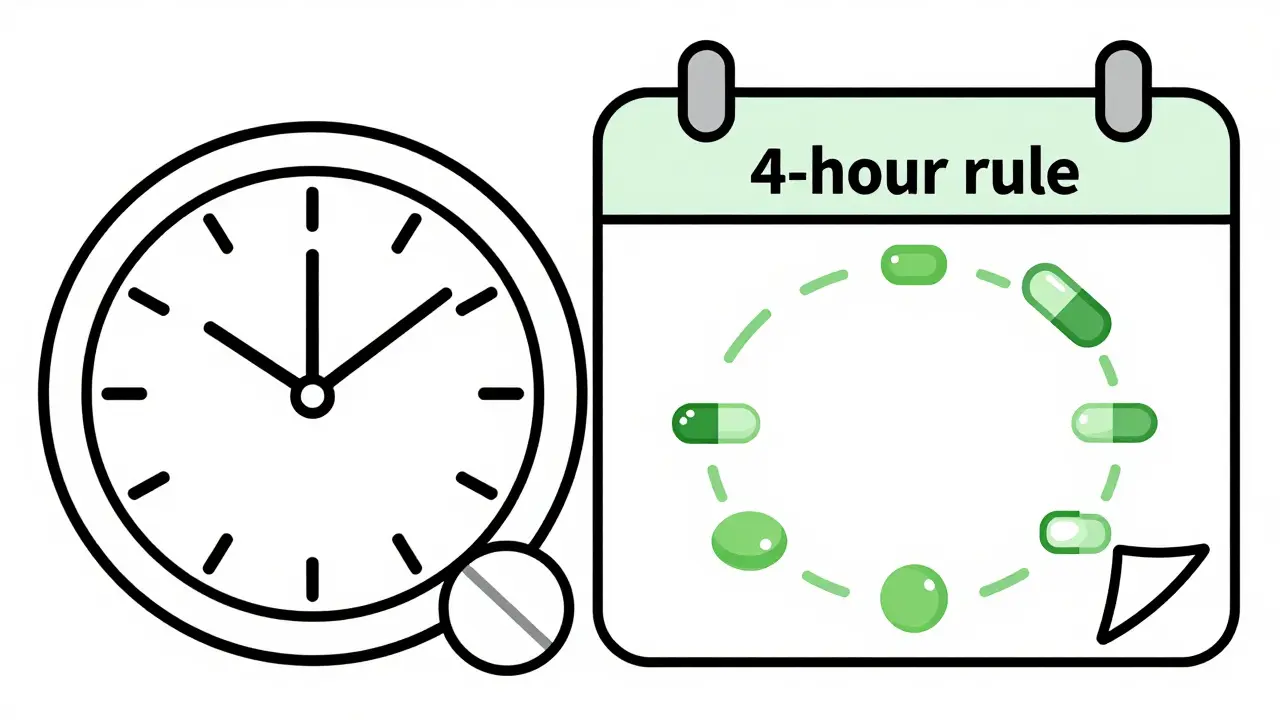
- The 4-Hour Rule: Space your medication and your green tea extract by at least four hours. This simple gap can reduce the risk of interaction by about 60% because it gives the drug time to be absorbed before the EGCG blocks the "gates."
- Stick to Brewed Tea: If you want the antioxidants without the high risk, switch from capsules to brewed tea. Limiting yourself to two cups a day keeps caffeine levels low and significantly drops the risk of interference.
- Avoid During Chemo: If you are taking bortezomib, avoid green tea supplements entirely. The interaction is too severe to risk, with some reports showing a 15% treatment failure rate in patients who continued the supplement.
- Monitor Your Vitals: If you're on blood pressure or cholesterol meds, keep a closer eye on your readings. If you notice your blood pressure creeping up despite taking your meds, the supplement might be the cause.
Is drinking green tea as dangerous as taking the extract?
Generally, no. Brewed tea has much lower concentrations of EGCG and caffeine. Most interactions are observed with concentrated extracts (capsules/powders) which provide 5 to 10 times the amount of active compounds found in a standard cup of tea.
Why does green tea block my medication?
The EGCG in green tea inhibits drug transporters (like P-glycoprotein) in your gut and liver. These transporters are responsible for moving medication from your digestive system into your bloodstream. When they are blocked, the drug can't get in, making the medicine less effective.
Can green tea extract affect my heart rhythm?
Yes, particularly if you are taking other stimulants or asthma medications (beta-agonists). The caffeine in the extract can combine with these drugs to increase your heart rate by 20-30 beats per minute or cause palpitations.
How long should I wait between taking my meds and green tea supplements?
Healthcare protocols suggest a minimum separation of 4 hours. This window helps ensure that your medication is absorbed before the catechins in the green tea extract can interfere with the transport process.
Should I tell my doctor about my supplements?
Absolutely. Many patients assume that because a supplement is "natural," it doesn't need to be mentioned. However, green tea extract has significantly more documented drug interactions than other herbs like ginkgo biloba or milk thistle, making it a critical piece of your medical history.

Write a comment