
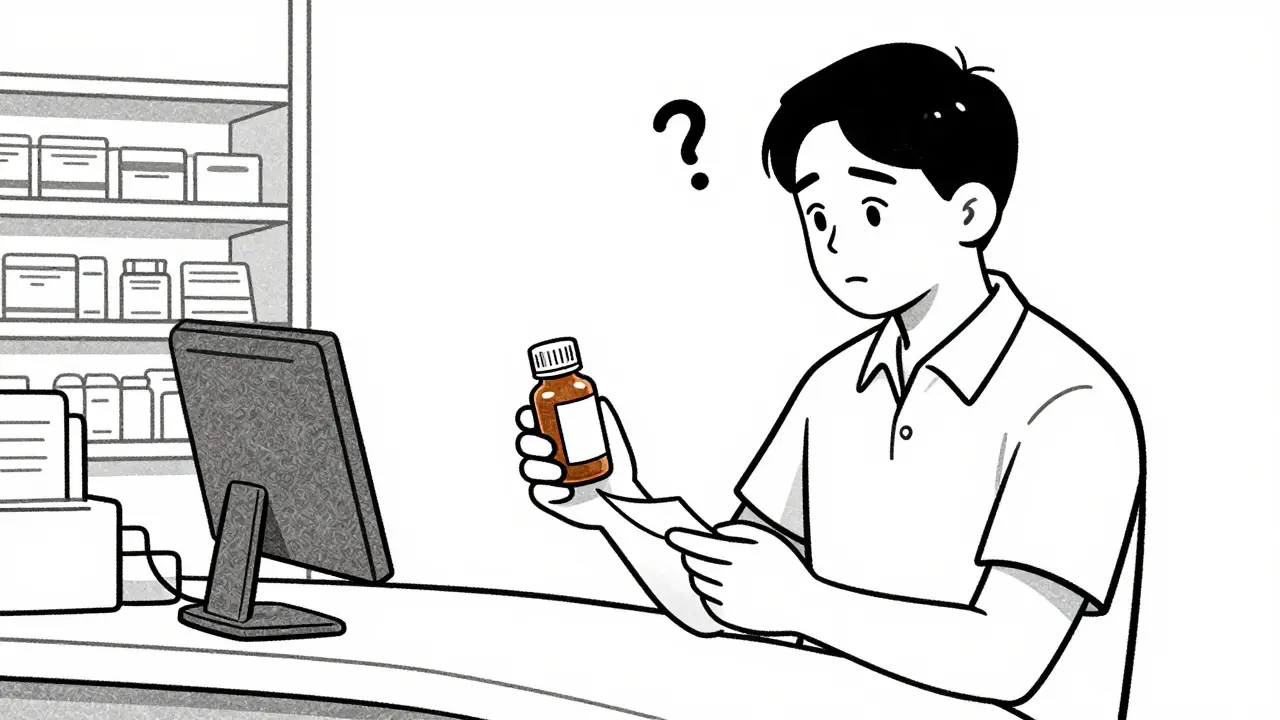
Imagine walking into a pharmacy to pick up a prescription. The pharmacist hands you a bottle that costs $15 instead of the $120 brand version you expected. It has the same active ingredient, the same dosage, and the same purpose. Yet, a nagging doubt creeps in. Is this cheaper version actually going to work? This hesitation is common, but it often stems from a misunderstanding rather than medical fact. As we move through 2026, the gap between scientific reality and public perception regarding generic medications is pharmaceutical equivalents of brand-name drugs that contain identical active ingredients and are approved by regulatory agencies remains a significant hurdle in healthcare.
The science behind these drugs is rigorous, but the psychology of trust is complex. Many people assume that lower price means lower quality. In the world of medicine, that assumption can be dangerous. It leads to skipped doses, unnecessary doctor visits, and higher overall healthcare costs. Understanding why this perception exists requires looking at both the regulatory framework and the human mind.
The Regulatory Science Behind Equivalence
When you see a generic version of a drug on the shelf, it hasn't just been approved because it's cheaper. It has passed a strict set of tests designed by the U.S. Food and Drug Administration federal agency responsible for protecting public health through regulation of food, drugs, and medical devices. The FDA requires generic manufacturers to prove bioequivalence before the drug can be sold. This means the generic must deliver the same amount of active ingredient into a patient's bloodstream within the same timeframe as the brand-name version.
This standard was solidified in 1984 through the Hatch-Waxman Act legislation that created the modern generic drug approval pathway and balanced patent protection with competition. The law established that generic drugs must demonstrate a statistical range of 80-125% of the brand-name drug's pharmacokinetic profile. While that 20% variation window might sound large to a layperson, it is scientifically established as clinically insignificant for the vast majority of medications.
Manufacturing standards are another area where myths persist. All facilities, whether making brand or generic drugs, are subject to the same Current Good Manufacturing Practices (cGMP) requirements. There is no separate, lower standard for generics. However, a 2016 FDA report noted that foreign generic manufacturing facilities received 47% more inspectional observations than domestic facilities. This data point often gets cited to suggest quality issues, but it reflects scrutiny levels rather than final product failure. The end result is a product that meets identical safety and efficacy benchmarks.
| Feature | Brand-Name Medication | Generic Medication |
|---|---|---|
| Active Ingredient | Original chemical compound | Identical chemical compound |
| Dosage Form | Tablet, capsule, liquid, etc. | Identical form |
| Strength | Specific milligram amount | Identical milligram amount |
| Cost | High (often 10x+ generic) | Low (80-85% less on average) |
| Approval Pathway | New Drug Application (NDA) | Abbreviated New Drug Application (ANDA) |
The Psychology of Trust and the Nocebo Effect
If the science is so clear, why do so many people still doubt generics? The answer lies in the nocebo effect. This is the opposite of the placebo effect. While a placebo makes you feel better because you believe a treatment will work, a nocebo makes you feel worse because you expect negative outcomes. If a patient believes a generic pill is inferior, their brain may actually signal symptoms of ineffectiveness or side effects, even if the chemical composition is identical.
Research supports this psychological barrier. A 2023 JAMA Network Open study demonstrated that patients informed generics are "equally effective" showed 34% better adherence than those receiving standard substitution. Conversely, those told generics are "less effective" showed 41% worse adherence. This proves perception directly impacts outcomes regardless of actual drug performance. The mind is a powerful organ in medicine, and doubt can undermine the chemistry of a pill.
Brand loyalty also plays a role. For decades, pharmaceutical companies spent billions building trust in their brand names. A 2021 investigation by STAT News documented $1.8 billion in annual spending by brand manufacturers on "product differentiation" campaigns. These campaigns subtly undermine generic confidence without making false claims. They focus on packaging, color, and patient experience, creating an emotional attachment to the brand that logic struggles to overcome.
Real-World Data and Adherence Rates
Despite the skepticism, the data on usage is overwhelming. Current status as of 2023 shows generics comprise approximately 90% of all prescriptions filled in the United States. This high utilization rate suggests that for most people, the switch is seamless. However, perception gaps create significant utilization barriers for specific groups. A 2016 national consumer survey found that 13% of respondents believed brand drugs are more effective than generics, while 20% believed generics have different side effects.
The consequences of this doubt are measurable. A 2019 study in Research in Social and Administrative Pharmacy documented that 22% of patients who perceived generics as inferior discontinued medication prematurely, compared to 8% of patients with neutral perceptions. This non-adherence directly links perception gaps to worse health outcomes. When patients stop taking their medication because they don't trust it, their condition can worsen, leading to hospitalizations and higher costs that far outweigh the savings from the generic drug.
Demographic disparities are also pronounced. A 2015 national survey published in the Journal of General Internal Medicine found that non-Caucasian patients were significantly more skeptical than Caucasian patients (43% vs. 29% expressing skepticism about clinical equivalence). Rural populations show particularly strong perception gaps, with studies in Alabama's Black Belt region documenting beliefs that generics are "less potent" or "for poor people." These perceptions directly contradict FDA requirements for identical active ingredients and therapeutic equivalence, yet they persist due to systemic mistrust in healthcare institutions.
Exceptions and Narrow Therapeutic Index Drugs
While the vast majority of generics are interchangeable, there are nuanced cases that fuel the conversation. Narrow therapeutic index drugs are medications where a small change in blood concentration can lead to serious side effects or lack of efficacy. Examples include warfarin, levothyroxine, and certain anti-epileptics. For these drugs, the FDA has implemented additional quality controls.
Even here, the American College of Clinical Pharmacy maintains that these medications demonstrate therapeutic equivalence between brand and generic versions. However, the margin for error is smaller, which makes patients and doctors more cautious. Dr. Choudhry of Harvard Medical School, in a 2017 analysis, acknowledged "a few isolated cases-including studies on drugs to treat certain eye conditions-that do suggest that some generic drugs don't always produce the same response in patients." But he emphasized that "the existing data are reassuring" with "most of the time, generics seem to perform the same as the brand-name drugs."
It is important to distinguish between a true biological difference and a perception issue. In many cases where a patient claims a generic "doesn't work," the issue is not the drug itself but the timing of the switch or other lifestyle factors. A 2017 Canadian study in Circulation: Cardiovascular Quality and Outcomes found increased rates of drug-related side effects among patients taking generic versions of three blood pressure medications immediately after generic entry. However, researchers cautioned this might reflect "differences in patient populations rather than drug performance." Context matters when evaluating these reports.

Economic Impact and Healthcare Savings
The financial argument for generics is undeniable. Comparative analysis shows generics cost 80-85% less than brand-name equivalents on average. This translates to approximately $1.7 trillion in healthcare savings from 2009-2019 according to the Generic Pharmaceutical Association. The U.S. generic drug market was valued at $128.4 billion in 2022, with potential for $5.9 billion in additional annual savings if perception barriers were eliminated.
When patients refuse generics, they often pay out-of-pocket costs that are unsustainable. Insurance plans frequently mandate generic use to keep premiums low. If a patient insists on a brand name, they might face a higher co-pay or even denial of coverage. This financial pressure can lead to medication rationing, where patients skip doses to make the bottle last longer, which is dangerous for chronic conditions.
Global comparisons show the U.S. lags behind countries like Canada and the UK, where 93% and 89% of patients respectively accept generics without concern. This difference is partly due to more robust public education campaigns and provider incentives. In the U.S., the Congressional Budget Office projects $125 billion in avoidable healthcare costs over the next decade if perception gaps aren't addressed. The money saved by using generics could fund other critical health services, but only if the public trusts the product.
Communication Strategies for Patients and Providers
Bridging the gap requires better communication. Healthcare providers report spending an average of 3.2 minutes per prescription addressing patient concerns about generic substitutions. The most effective communication strategies, per a 2022 Annals of Pharmacotherapy meta-analysis, include demonstrating the identical active ingredient (87% efficacy improvement in patient acceptance) and providing FDA equivalence documentation (76% improvement).
Dr. William Shrank, Chief Medical Officer at UnitedHealth Group, led a 2016 study showing that patient communication by healthcare providers about generics is the strongest predictor of generic medication use. It outweighs considerations of cost, efficacy, or safety perceptions. When a doctor takes the time to explain that the FDA requires the same active ingredient, patient trust increases significantly.
For patients, asking questions is key. If you feel a generic isn't working, don't just stop taking it. Talk to your pharmacist. They can check if there are different manufacturers for that specific drug. Sometimes, switching from one generic manufacturer to another can resolve issues without going back to the expensive brand. Documentation quality varies significantly, so patients should look for clear resources. The FDA's "It's the Same Medicine" campaign has reached 27 million people since 2019, but recall accuracy remains low, indicating a need for more direct, personal education.
Are generic medications exactly the same as brand-name drugs?
Generic medications contain the same active ingredients, dosage forms, strengths, and intended uses as brand-name drugs. They must meet the same FDA standards for safety and effectiveness. The only differences are usually in inactive ingredients like fillers or dyes, which do not affect the drug's performance.
Why do generic drugs cost less than brand-name medications?
Generic drugs cost less because manufacturers do not have to repeat the expensive clinical trials required for the original brand-name drug. They also do not spend money on marketing and advertising campaigns. Once the patent on a brand-name drug expires, other companies can produce the same medication at a lower cost.
Can I switch between different generic manufacturers?
Yes, you can switch between different generic manufacturers. All generics must meet the same bioequivalence standards. However, if you experience issues with one generic version, ask your pharmacist if another manufacturer's version is available, as inactive ingredients may vary slightly.
What is bioequivalence in the context of generic drugs?
Bioequivalence means the generic drug delivers the same amount of active ingredient into the bloodstream within the same timeframe as the brand-name version. The FDA requires a statistical range of 80-125% of the brand-name drug's pharmacokinetic profile, which is considered clinically insignificant for most medications.
Are there any drugs where generics might not work as well?
For most drugs, generics work just as well. However, for narrow therapeutic index drugs like warfarin or levothyroxine, small variations can matter more. Even then, the FDA has additional quality controls. If you have concerns about these specific medications, discuss them with your doctor to ensure the best monitoring.
Ultimately, the choice between brand and generic is often a choice between cost and confidence. The science supports generics, but the human experience requires trust. As we look toward the future, initiatives like the FDA's planned 2024 launch of "Equivalence Explorer" aim to provide interactive tools showing therapeutic equivalence data for specific drug switches. These tools help demystify the process and empower patients with data.
Long-term viability of generics remains strong scientifically, but perception barriers threaten optimal utilization. A 2023 Health Affairs analysis projects it will take 12.7 years for non-Caucasian patient skepticism to reach Caucasian levels at current improvement rates. This highlights enduring equity challenges in medication access. Addressing this requires not just better drugs, but better conversations. When patients understand the rigorous standards behind the bottle, the hesitation fades, and the health benefits of affordable care become a reality for everyone.

Comments
Kevin Y.
This article provides a comprehensive overview of the regulatory landscape surrounding generic medications. It is important for patients to understand the rigorous testing involved. The distinction between perception and reality is crucial for public health. We should encourage more open dialogue about these pharmaceutical standards. Trust in the system is built on transparency and education. I appreciate the detailed breakdown of the Hatch-Waxman Act. It clarifies the legal framework that ensures safety. Many people overlook the significance of bioequivalence data. We must prioritize accurate information over anecdotal evidence. The economic benefits are substantial for the healthcare system. Patients deserve to feel confident in their medication choices. This discussion helps bridge the gap between science and public opinion.
Raphael Schwartz
they make cheap stuff in other countires its not safe. why trust foreign labs. brand name is better for usa.
Agbogla Bischof
The FDA standards are strictly enforced. Period. Indeed. It is so. Foreign facilities undergo the same scrutiny. The data does not support your claim. Quality control is identical. Safety benchmarks are met. Regulations are consistent. Trust the process. The science is clear. We must rely on facts. Do not fear the label.
Donna Fogelsong
big pharma wants you sick to sell more drugs. generic is a trap. profit margins dictate policy. they hide the truth. follow the money.
Stephen Alabi
Such assertions lack empirical backing. The regulatory framework is designed to prevent exactly that scenario. Conspiratorial thinking undermines public health initiatives. We must rely on documented evidence rather than speculation. The financial incentives are aligned with patient safety. This perspective ignores the rigorous oversight in place. It is unwise to dismiss established protocols without cause.
Seth Eugenne
Trust is key here 🙏. We all want what is best for our health. Listening to experts helps us make good choices. 💊 The science is on our side. Let us support each other in this journey. 🌟
rebecca klady
totally agree with that. it helps to have a supportive community. we should all learn more about our meds.
Namrata Goyal
only the elite know the truth about these drugs. common peopel are mislead by marketing. you need real knowledge to understand the system. generic is for the masses not the wise.
Brandon Shatley
i think its just fear. most people dont know the science. we should not judge others for being scared. its a big topic.
Korn Deno
trust is a social construct. we build it together. doubt is natural but can be overcome. the mind shapes our reality.
Grace Kusta Nasralla
The mind shapes reality in profound ways. Belief systems dictate our physiological responses. We must acknowledge the power of expectation. It is a silent force in medicine. Perception alters the outcome of treatment. This is a deep philosophical truth. We carry our doubts into the pharmacy.
Kenneth Jones
stop wasting time
winnipeg whitegloves
It is fascinating how the human mind constructs value around a label. We see the shiny box and assume it holds magic inside. The chemistry remains steadfast regardless of the packaging design. Trust is a fragile commodity in the modern healthcare landscape. We have been conditioned to equate price with quality for too long. This conditioning creates a barrier that is psychological rather than physical. The nocebo effect is a real and measurable phenomenon in clinical trials. Patients feel worse simply because they expect to feel worse. It is a tragedy that perception can undermine actual therapeutic benefit. The regulatory standards are rigorous and designed to protect the vulnerable. Yet we still cling to the brand name like a security blanket. Perhaps it is the fear of the unknown that drives this hesitation. We prefer the familiar devil over the unknown angel of cost savings. Education is the only tool that can dismantle this wall of doubt. We must embrace the science that stands behind the generic pill.
Caroline Dennis
Pharmacokinetics remain consistent across formulations. Bioequivalence ensures therapeutic parity. Adherence rates improve with education. Clinical outcomes support generic utilization. We must focus on data driven decisions.