
Narrow Therapeutic Index: What It Means for Your Medication Safety
When a drug has a narrow therapeutic index, a small difference between the dose that works and the dose that causes harm. Also known as a thin therapeutic window, it means your body can’t tolerate much variation — too little and the drug doesn’t work, too much and you could end up in the hospital. This isn’t just a technical term. It’s a real safety warning built into the pills you take every day.
Drugs with a narrow therapeutic index include warfarin, a blood thinner where a few milligrams too much can cause dangerous bleeding, lithium, used for bipolar disorder and toxic at just slightly higher levels, and digoxin, a heart medication where side effects like nausea or irregular heartbeat signal trouble. These aren’t rare drugs — they’re commonly prescribed. And when you switch from brand to generic, or your pharmacy changes suppliers, the active ingredient might be chemically identical, but tiny differences in fillers or absorption can push you out of the safe range. That’s why bioequivalence testing matters more here than with most other medications.
People on these drugs need more than just a prescription. They need consistent monitoring, stable dosing, and awareness of interactions. For example, if you’re on narrow therapeutic index medication and start a new antibiotic or even switch to a different brand of thyroid pill, your doctor should check your blood levels. Many of the posts here cover exactly these risks: how drug labels can hide dangers, why generic prices vary by state, how patient assistance programs can accidentally disrupt stable dosing, and how FDA safety alerts should be read with care. You’ll find real-world stories about people who nearly overdosed because their pharmacy switched generics, or who didn’t realize their new blood pressure drug was interacting with their heart medication. This isn’t theoretical — it’s daily life for hundreds of thousands. What follows is a collection of guides that help you spot the red flags, ask the right questions, and avoid mistakes that could cost you your health.

Narrow Therapeutic Index Drugs: What Patients Need to Know
Narrow therapeutic index (NTI) drugs have a tiny safety margin - too little and they don't work, too much and they're dangerous. Learn what NTI drugs are, which ones are common, and how to stay safe with consistent dosing and regular monitoring.
read more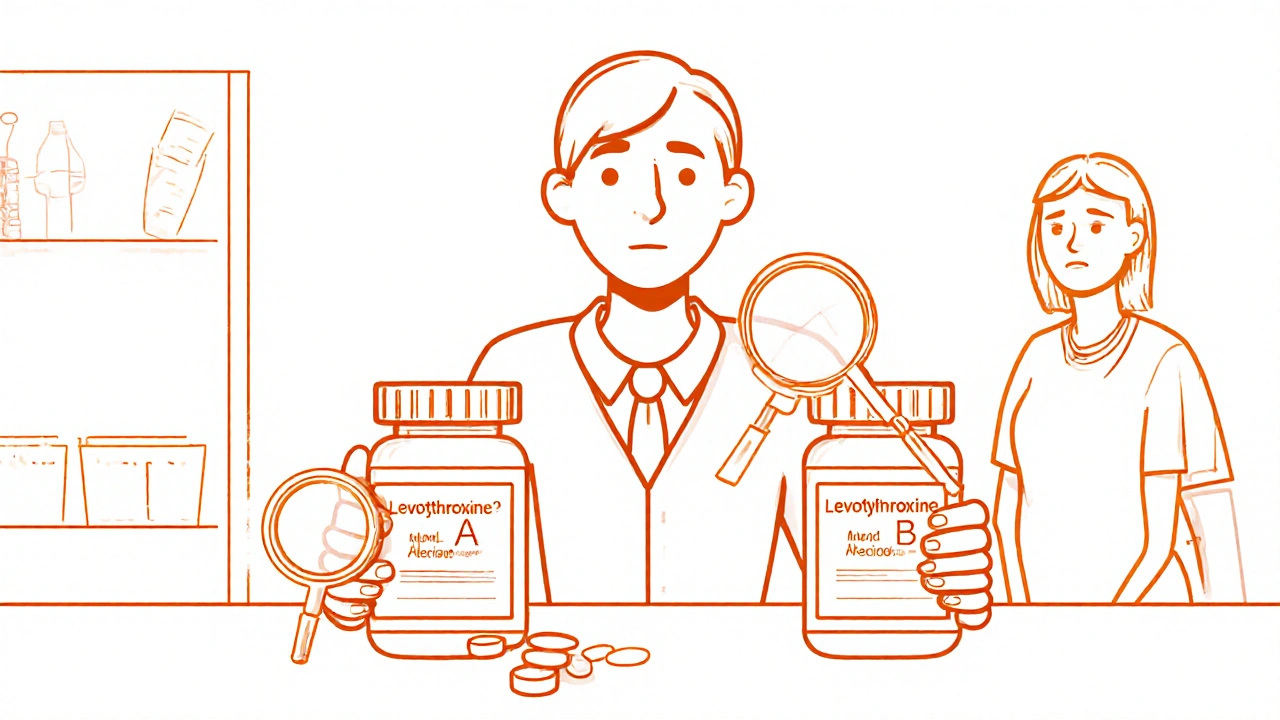
When Pharmacists Must Flag Problematic Generic Medications
Pharmacists play a vital role in identifying problematic generic medications that may cause therapeutic failure or adverse effects. Learn when and how to flag issues with NTI drugs, look-alike names, and inconsistent formulations.
read more