
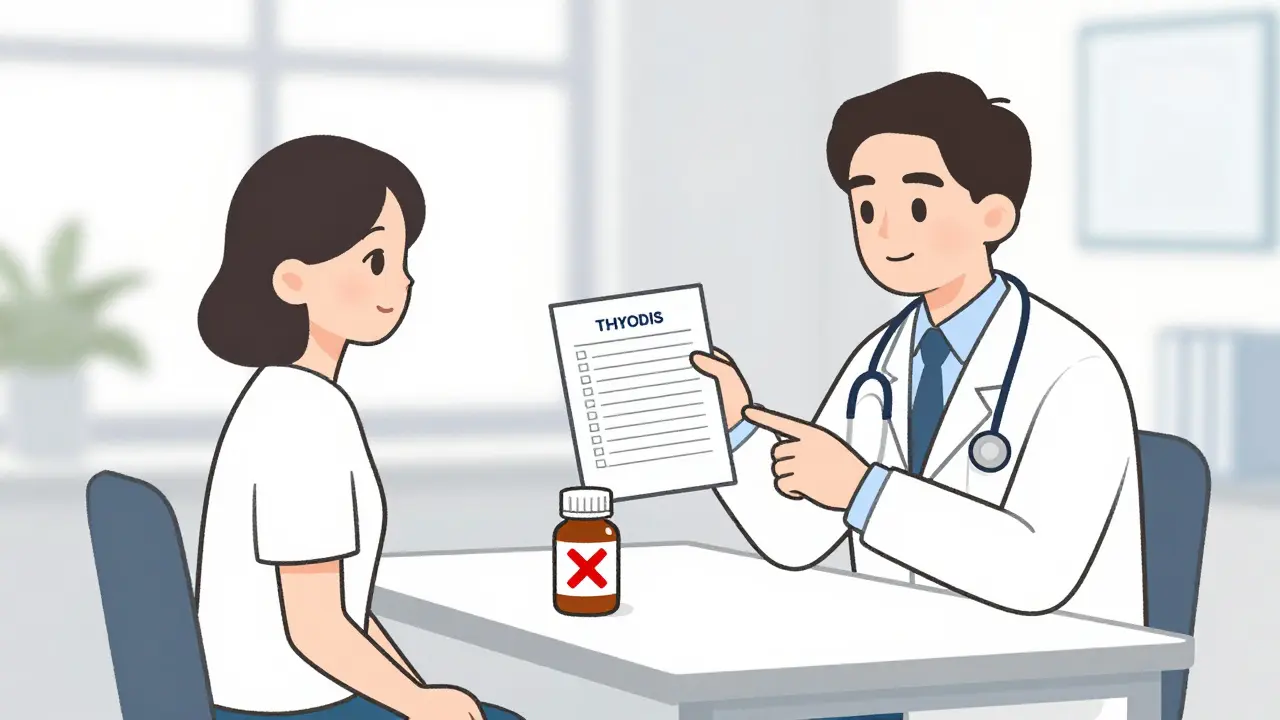
Switching from a brand-name medication to a generic might sound like a simple cost-saving move - but for some people, it’s not that simple. You might have noticed changes in how you feel after the switch: more fatigue, worse symptoms, or even new side effects. Maybe your blood test numbers went off track. Or maybe the generic just doesn’t seem to work the same way. If that’s you, you’re not alone. And you don’t have to accept it without a conversation.
Why Some People Need to Stay on Brand
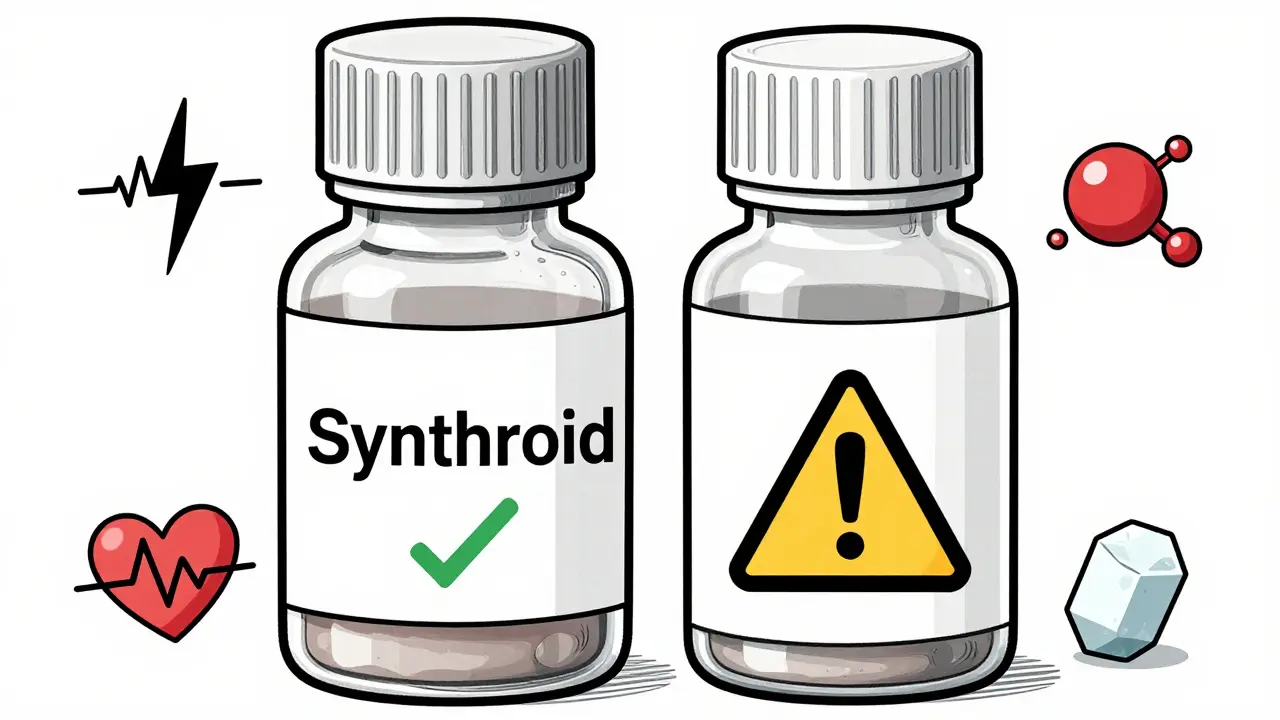
Not all generic drugs are created equal - at least not for every patient. The FDA says generics must contain the same active ingredient, strength, and dosage form as the brand. But they can differ in fillers, dyes, preservatives, and coatings. For most people, that doesn’t matter. But for others, it does.Take levothyroxine, a common thyroid medication. Even tiny changes in how it’s absorbed can throw off hormone levels. One study found that switching between different generic versions led to a 17% increase in emergency visits due to unstable thyroid levels. Another example is warfarin, a blood thinner. A small change in how it’s processed can mean the difference between a dangerous clot and a serious bleed.
People with epilepsy also report trouble. One patient on Drugs.com shared that after switching from brand-name Keppra to a generic, they had three seizures in two months - something that hadn’t happened in five years. Studies show a 23% higher risk of seizure recurrence after switching to generics for certain anti-epileptic drugs.
And it’s not just about effectiveness. Some people have real allergies to inactive ingredients. Lactose, gluten, or artificial dyes in generics can trigger rashes, stomach pain, or even breathing issues. About 7% of patients report these reactions, according to the Journal of Allergy and Clinical Immunology.
How to Prepare for the Conversation
Talking to your doctor about staying on brand isn’t about pushing back - it’s about giving them the facts they need to help you. Here’s how to do it right:- Write down your experience. When did you switch? What changed? Did your headaches get worse? Did your energy drop? Did your lab results shift? Include dates and symptoms. Even small details matter - like a strange taste or smell.
- Bring your records. Pull up old lab reports, pharmacy receipts, or notes from previous visits. If your thyroid levels dropped after switching, show the numbers. If your INR (for warfarin) became unstable, print it out.
- Know your medication. Check the FDA’s Orange Book (available online) to see if your drug has a therapeutic equivalence rating. Some drugs are marked as “AB” - meaning they’re generally interchangeable. Others are “BX” - meaning they’re not recommended for substitution. If yours is BX, that’s a strong point to make.
- Check the inactive ingredients. Look at the label of your brand and the generic. If the generic has a dye (like FD&C Red No. 40) or lactose and you’ve had reactions before, write it down. That’s a valid medical reason.
Don’t say, “I just feel better on the brand.” Say, “I’ve been on the brand for three years. After switching to the generic in October, my seizure frequency went from once every six months to three times in two months. My neurologist’s notes from November show my drug levels dropped 30%. I went back on the brand, and my levels normalized. I need to stay on it.”
Use the SBAR Framework
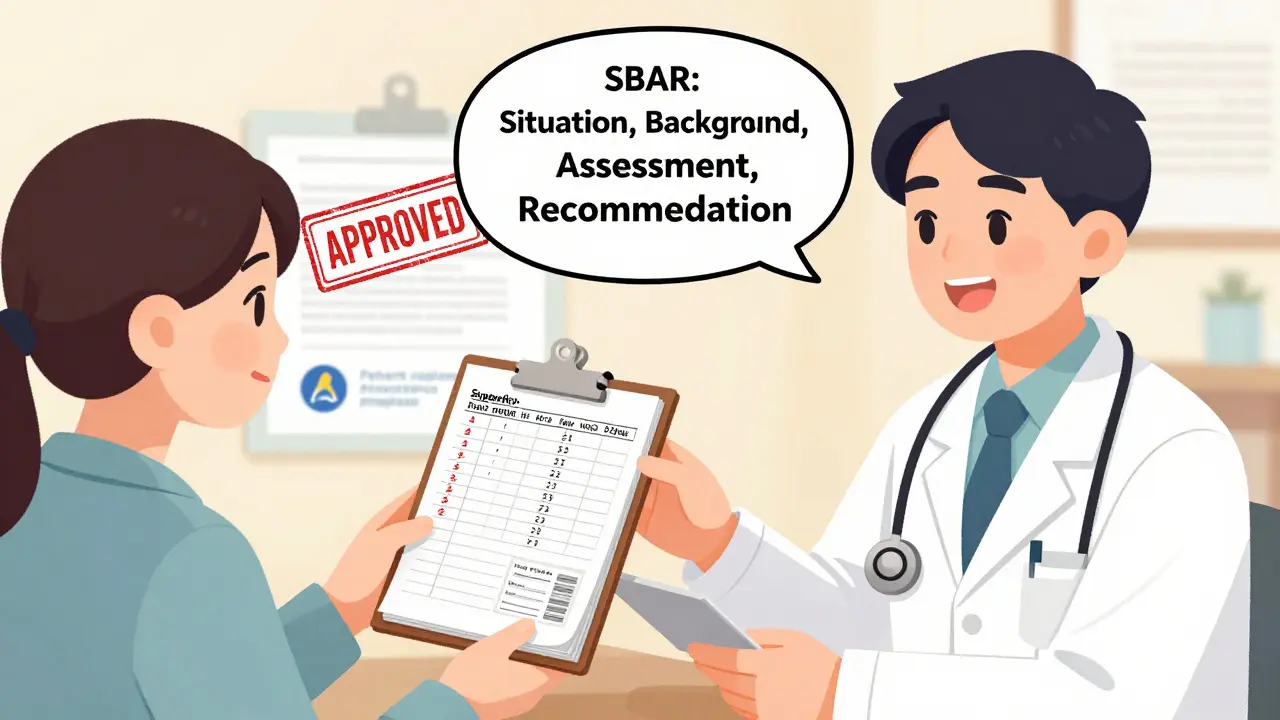
Doctors hear a lot. To make sure your concern lands, use a simple structure called SBAR:- Situation: “I’m here because I had a bad reaction after switching to the generic version of my medication.”
- Background: “I’ve been on the brand for five years. I switched last month because my insurance required it.”
- Assessment: “Since the switch, I’ve had [symptoms]. My recent lab results show [numbers]. When I went back on the brand, everything improved.”
- Recommendation: “I’d like to stay on the brand unless there’s a safe alternative. Can we document this as medically necessary?”
Studies show this method works - 78% of patients using SBAR had their requests approved, according to the AMA Journal of Ethics.
Insurance and Prior Authorization
Your doctor can’t just write “brand only” and expect it to be covered. Most insurance plans require prior authorization for brand-name drugs when a generic exists. That means your doctor has to fill out paperwork proving it’s medically necessary.Here’s how to help:
- Ask your doctor to write “Dispense as Written” or “DAW-1” on the prescription. That tells the pharmacy not to substitute.
- Give your doctor your symptom log, lab results, and pharmacy records. The more evidence you provide, the easier it is for them to justify it.
- Ask if they’ve submitted prior authorization requests before. If they haven’t, offer to help - print out your records and bring them to the appointment.
Medicare Part D and private insurers approve about 57% of brand-name requests when proper documentation is provided. If it’s denied, you can appeal. About 72% of appeals succeed with solid evidence.
What If Your Doctor Pushes Back?
Some doctors assume generics are always fine. They might say, “The FDA says they’re the same.” That’s true - for most people. But medicine isn’t one-size-fits-all.If your doctor dismisses your concerns, say this: “I understand generics are usually safe. But for me, this isn’t about preference - it’s about safety. I’ve documented what happened. Can we at least try a 30-day trial on the brand and retest my levels?”
Or ask: “Can you check the FDA’s Orange Book for this drug? Is it rated AB or BX?”
If they still won’t budge, ask for a referral to a specialist - like an endocrinologist for thyroid meds, or a neurologist for epilepsy. Specialists are more likely to understand the nuances.
What About Cost?
Yes, brand-name drugs cost more. But here’s the truth: generics save money only if they work. If you end up in the ER because your seizure control failed, or your blood thinners went out of range, the cost skyrockets.Ask your doctor if there’s a patient assistance program. Many brand-name manufacturers offer discounts or free medication for people who qualify. You can also check with nonprofit organizations like the Patient Advocate Foundation or NeedyMeds.
Don’t assume you can’t afford it. Ask. There’s often help available.
Real Stories, Real Results
One woman in Melbourne switched from brand-name Synthroid to a generic. Within weeks, she felt exhausted, gained weight, and her TSH level jumped from 2.1 to 7.8. She brought her records to her GP, showed the lab results, and requested to go back on the brand. Her doctor approved it - no argument. Another man with bipolar disorder switched to a generic mood stabilizer and had his first manic episode in three years. He kept a daily journal of moods, sleep, and energy levels. He showed it to his psychiatrist. The psychiatrist wrote a letter to his insurer. His brand was approved.These aren’t rare cases. They’re common enough that pharmacists report 63% have seen patients with real issues after switching generics - especially with psychiatric, thyroid, and seizure meds.
Final Thoughts
You know your body better than anyone. If something changed after a switch - and it’s affecting your health - speak up. Your doctor isn’t against you. They just need the right information to fight for you.Don’t let cost or convenience override your safety. You have the right to ask for what works. And with the right preparation, you can get it.

Write a comment