
Medication Temperature Safety Checker
The FDA requires temperature-sensitive medications to stay between 2°C and 8°C (36°F to 46°F). This tool helps you assess if your shipment may have been exposed to unsafe temperatures.
Safety Assessment
Getting your prescriptions delivered to your door sounds simple-until your insulin arrives warm, your blood pressure med is two weeks late, or the package is gone before you even knew it was coming. Mail-order pharmacies are now a lifeline for millions, especially those managing chronic conditions. But safety isn’t automatic. It’s built-through cold chains, precise timing, and real-time tracking. If you’re using one, you need to know how it actually works behind the scenes.
Why Temperature Matters More Than You Think
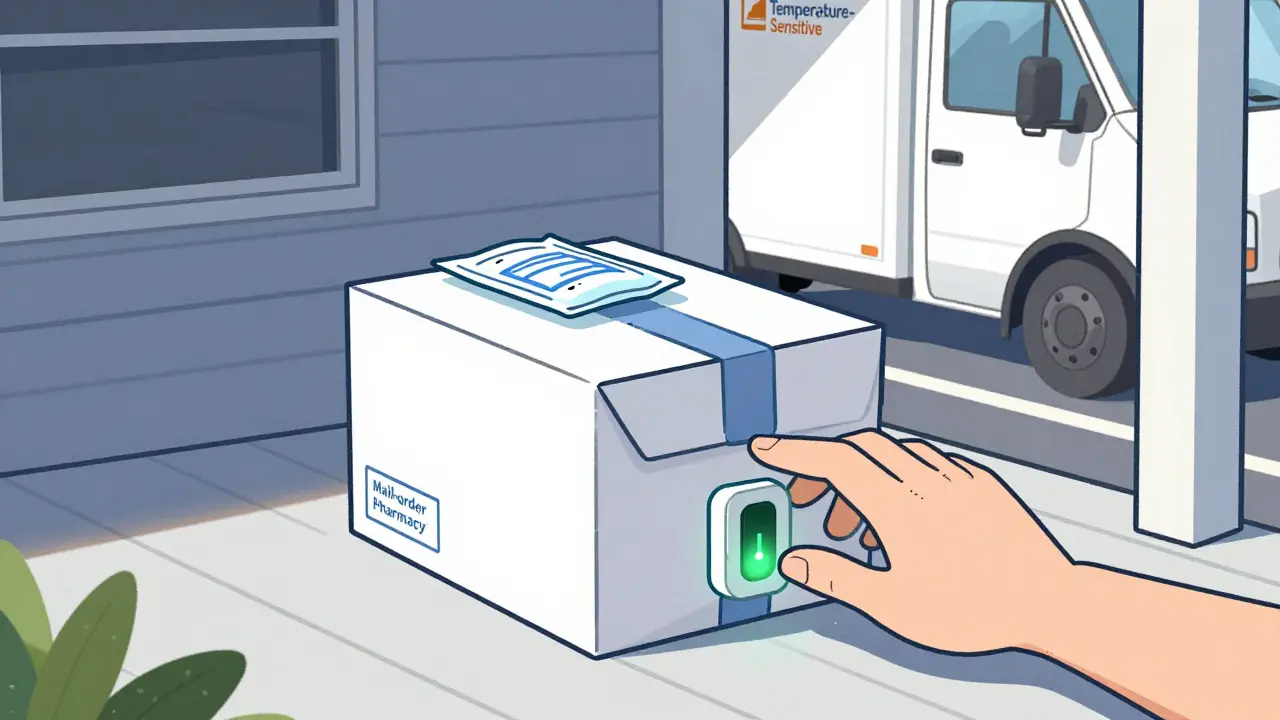
Not all pills are created equal. Some medications, like insulin, biologics for MS or rheumatoid arthritis, and certain antibiotics, can break down if they get too hot or too cold. The FDA says these drugs must stay between 2°C and 8°C (36°F to 46°F) during shipping. That’s fridge temperature. Not room temp. Not the back of a delivery truck in July. A 2023 industry study found that about 3.2% of temperature-sensitive shipments experience excursions-meaning the meds were exposed to unsafe temps for even a few hours. That might sound low, but for someone relying on insulin, that one shipment could mean a hospital visit. One Reddit user in Texas described opening a box to find insulin vials that felt warm to the touch after a summer delivery. The pharmacy replaced them, but only because the patient called immediately. Reputable mail-order pharmacies use insulated packaging with gel packs, sometimes even dry ice for ultra-sensitive drugs. Some now include real-time temperature sensors that log data throughout transit. If the temp goes out of range, the system flags it. The patient gets an alert. The pharmacy holds the shipment. That’s not magic-it’s compliance. The FDA’s May 2024 draft guidance is pushing all mail-order pharmacies to make this mandatory for biologics by 2026.Timing Isn’t Just About Convenience-It’s Life or Death
You can’t wait until your bottle is empty to order your next refill. Mail-order pharmacies often require you to order at least two weeks before you run out. Why? Because shipping isn’t overnight. It’s not even always next-day. It’s a multi-step process: prescription received, verified, filled, packed, shipped, delivered. Medicare Part D plans require pharmacies to confirm with you or your caregiver before shipping any new prescription or refill. That means if you forget to update your contact info, or your caregiver is away, your meds could be delayed. GoodRx reports that 22% of mail-order users had at least one delayed delivery in the past year. For someone on a daily heart medication or immunosuppressant, that delay can trigger a flare-up or worse. Set calendar reminders. Don’t rely on automated alerts alone. If your pharmacy sends a text or email saying your order is ready to ship, act on it. If you’re switching medications, call ahead. A 2024 study in the Journal of Managed Care & Specialty Pharmacy found that patients who proactively contacted their pharmacy before refills had 28% fewer access issues.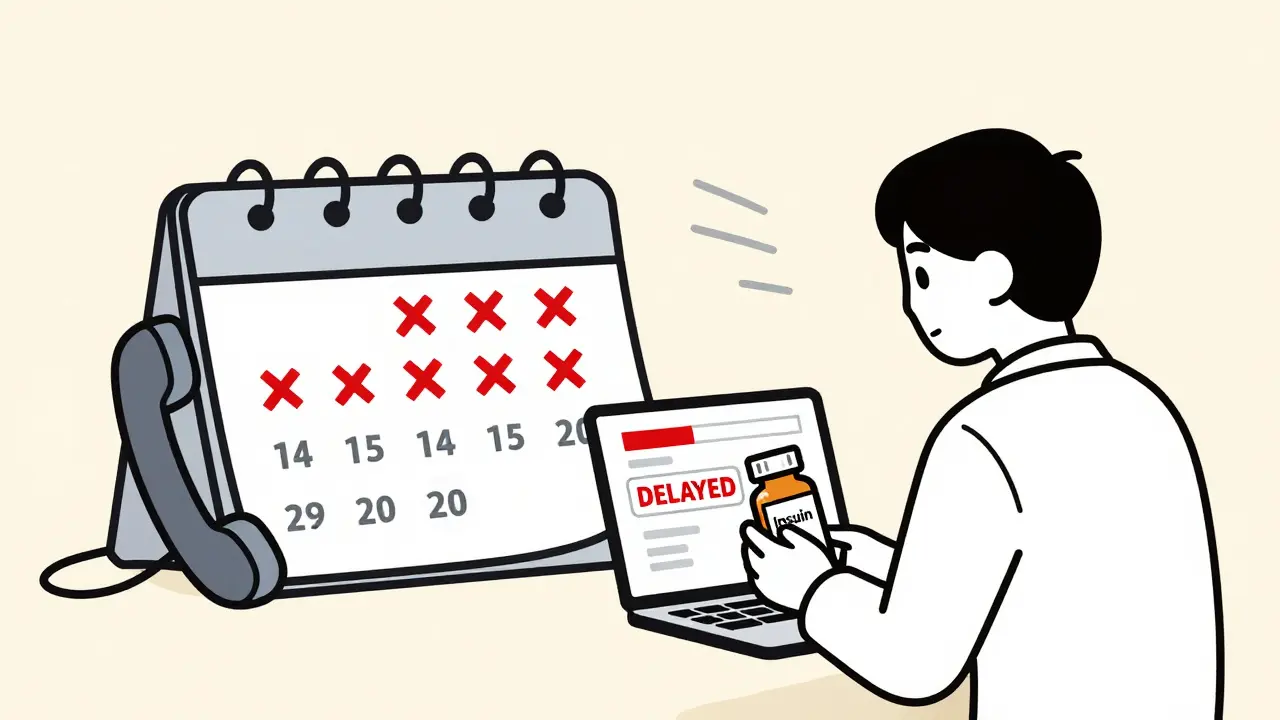
Tracking: From Package to Person
You can track your Amazon package down to the minute. Your prescription should be no different. But not all mail-order pharmacies offer the same level of tracking. Look for these features:- Real-time tracking number linked to USPS, FedEx, or UPS
- Proof of delivery with timestamp and signature
- Alerts when the package is out for delivery
- Notification if the package is returned or delayed
Who’s Really Safe? The Big Players and the Red Flags
Three companies-Express Scripts, OptumRx, and CVS Caremark-control nearly 80% of the U.S. mail-order market. They’ve invested heavily in temperature control, tracking, and compliance. Express Scripts, for example, has a 4.2/5 rating on Trustpilot, with 78% of positive reviews mentioning reliable temperature handling for specialty drugs. But not all online pharmacies are equal. The FDA warns: if a website doesn’t require a prescription, doesn’t list a physical U.S. address, or doesn’t have a licensed pharmacist available to answer questions, it’s not legitimate. Avoid websites that offer “discounted” prescriptions without a doctor’s note. These are often counterfeit or mishandled drugs. Look for the NABP Verified Internet Pharmacy Practice Sites (VIPPS) seal. It’s not perfect, but it’s a strong indicator the pharmacy meets state and federal standards. Non-accredited services have 22% lower documentation quality, according to 2023 audits. That means more mistakes, more delays, more risk.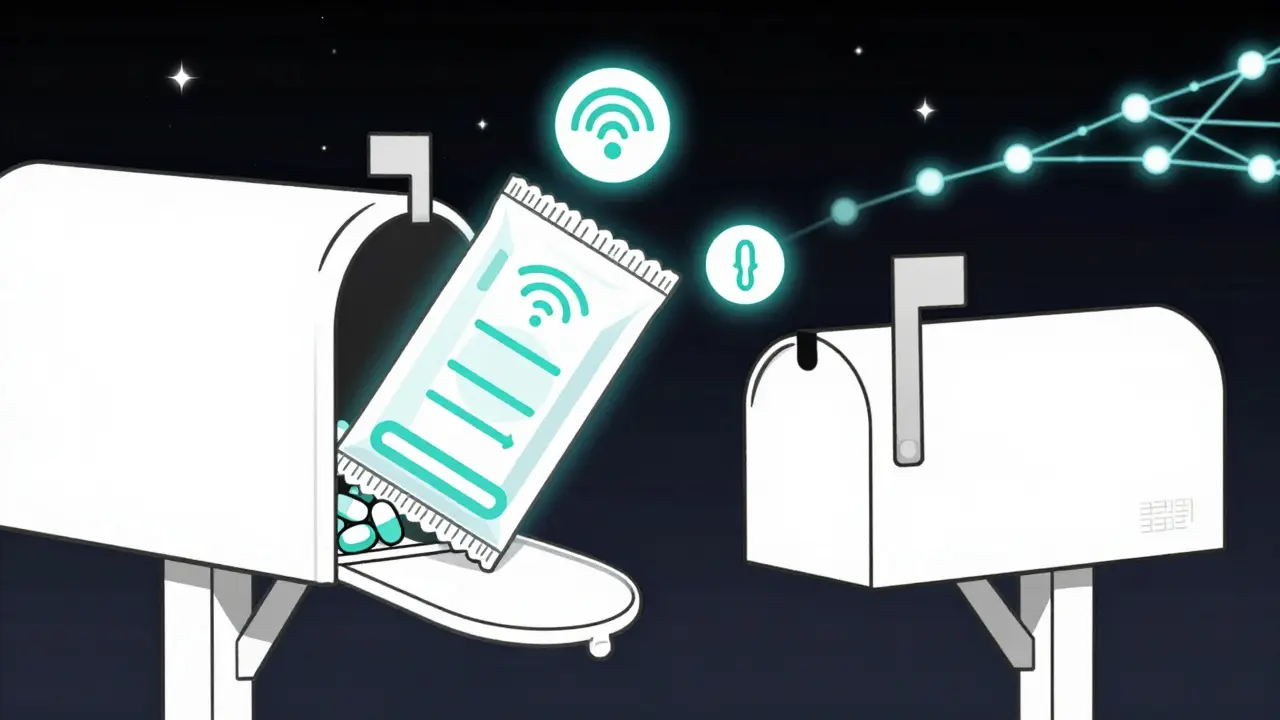
What You Can Do Right Now
You don’t have to wait for regulations to catch up. Here’s your action list:- Know your meds. Is your drug temperature-sensitive? Check the label or ask your pharmacist. Insulin, injectables, and some cancer drugs are high-risk.
- Order early. Set a reminder to order refills two weeks before you run out. Don’t wait for a notification.
- Track everything. Save your tracking number. Sign up for delivery alerts. If your package is late, call the pharmacy-not just wait.
- Inspect on arrival. Open the box immediately. Check for ice packs, temperature logs (if provided), and tamper seals. If anything looks off, take a photo and call your pharmacy.
- Verify your pharmacy. Confirm it’s licensed in your state and has a VIPPS seal. Check the DEA website if you’re getting controlled substances.

Comments
Paul Bear
Let’s be clear: if your mail-order pharmacy isn’t using ISO 15378-compliant cold-chain logistics for biologics, they’re not just cutting corners-they’re endangering lives. The FDA’s 2024 draft guidance isn’t advisory; it’s a regulatory cliff edge. Temperature excursions above 8°C for >2 hours? That’s a Class II recall waiting to happen. And no, ‘it was just warm’ doesn’t cut it-insulin denaturation is irreversible. If your pharmacy doesn’t provide real-time log data with GPS-tagged timestamps, demand it-or switch. Compliance isn’t optional; it’s the baseline.
Also, blockchain tracking for controlled substances? Long overdue. The DEA’s 2026 mandate is the bare minimum. We’re talking immutable ledgers here, not just ‘secure portals’ that still rely on human input. If your opioid script doesn’t have a SHA-256 hash trail from pharmacy to mailbox, you’re not getting safe meds-you’re getting a gamble.
And don’t get me started on those ‘discount’ online pharmacies without a physical address. Those are digital snake oil vendors. The NABP VIPPS seal? Still the gold standard. 22% lower documentation quality? That’s not a typo-that’s a death sentence waiting to be mailed.
Bottom line: if you’re not verifying every step, you’re not managing your care-you’re outsourcing it to chaos.
lisa Bajram
OH MY GOODNESS, I JUST HAD A PANIC ATTACK READING THIS-because I once got my insulin in a box that smelled like a hot car in Phoenix. I thought it was just ‘warm’ until I checked the vials-cloudy, not clear. I screamed. I called. I cried. But guess what? They replaced it in 24 hours and sent me a $50 gift card for ‘being vigilant.’
So here’s my mantra: OPEN IT IMMEDIATELY. TAKE A PICTURE. CALL THEM BEFORE YOU PUT IT IN THE FRIDGE. Don’t wait till your blood sugar spikes. Don’t ‘hope it’s fine.’
Also, I now have a little calendar alert labeled ‘INSULIN TIME’-two weeks before empty. I set it on my phone, my smartwatch, my Alexa, and my mom’s fridge. She’s not even on meds, but she reminds me now. I’ve got a whole team. YOU CAN TOO. You’re worth the extra click.
And if your pharmacy doesn’t text you when it’s out for delivery? Switch. Find one that does. You deserve better than silent packages and silent risks.
Jaqueline santos bau
Okay, but what if your package gets stolen? Like, what if you’re on a high-dose opioid and someone just walks off with it? I mean, I’ve seen it happen-my neighbor’s Fentanyl patch vanished from his porch. He had to go to the ER because he went into withdrawal. And the pharmacy? ‘We sent it. Not our problem.’
And don’t even get me started on how they ship your meds to your ex’s house because you forgot to update your address. I know someone who got her antidepressants delivered to her abusive ex’s place. He opened them. He posted about it. She had a breakdown. The pharmacy said ‘it was the post office’s fault.’
Why isn’t there a law that says if you’re on controlled substances, they HAVE to hand it to you in person? Or at least put it in a locked mailbox? This is insane. We’re treating life-saving meds like Amazon Prime socks. It’s a national disgrace.
Kunal Majumder
As someone from India who’s seen how meds are shipped here-sometimes in plastic bags with no ice, in 45°C heat-I can’t believe how advanced the U.S. system is. Even the mention of dry ice and real-time sensors? That’s next-level.
But I’m curious-do these systems work for people in rural areas? Like, if you live in Montana or West Virginia, and the truck gets stuck in snow for 3 days? Does the system delay the shipment, or does it just arrive too late?
Also, I’ve heard that some pharmacies ship meds to India from the U.S. for cheaper prices. Are those even safe? Or is that a whole other nightmare?
Aurora Memo
I appreciate how thorough this is. I’ve been on a biologic for rheumatoid arthritis for five years now, and I’ve learned to treat my meds like fragile heirlooms. I don’t just open the box-I sit with it for a minute. I check the temperature log. I take a photo. I text my sister, just so someone else knows it arrived.
It’s not paranoia. It’s stewardship.
For anyone reading this who feels overwhelmed: you don’t have to do all of this alone. Talk to your pharmacist. Ask them to walk you through it. Most of them are happy to help. You’re not a burden. You’re a partner in your care.
chandra tan
Back home in India, we don’t even have refrigerated delivery for insulin. People keep it in coolers with ice packs, carry it in backpacks on buses, or rely on family members to pick it up from the city. I’ve seen a man carry insulin vials in his shirt pocket for 12 hours just to get them home.
So reading about temperature sensors and blockchain tracking? It feels like science fiction. But also… beautiful.
I hope one day, this level of care becomes global. Because no one should have to risk their life because their meds got too hot on a train.
Dwayne Dickson
Let’s address the elephant in the room: the entire mail-order pharmacy industry is a regulatory arbitrage play. They exploit loopholes in state licensing, outsource logistics to third parties with zero accountability, and then blame ‘carrier delays’ when patients suffer. The FDA’s 2026 mandate? Too little, too late.
And yet, you’re expected to be vigilant? To ‘call immediately’? That’s not patient empowerment-it’s patient exploitation. If your life depends on a system that requires you to be a full-time logistics auditor, then the system is broken.
Real solution? Nationalize the cold chain. Make it a public utility. Because right now, your insulin is a commodity. It should be a human right.
Ted Conerly
Just want to say: if you’re reading this and you’re scared or overwhelmed-you’re not alone. I’ve been there. I missed a refill once because I was too busy caring for my mom. My blood pressure spiked. I ended up in the ER. I cried in the parking lot.
But here’s what changed: I started using a pill organizer with alarms. I wrote down my pharmacy’s direct line and taped it to my fridge. I told my best friend to call me if I didn’t text back for two days.
You don’t have to be perfect. You just have to be consistent. One small step. One reminder. One call. That’s enough. You’re doing better than you think.