
Bioequivalence: What It Means for Generic Drugs and Your Health
When you pick up a generic pill, you expect it to do the same job as the brand-name version. That’s where bioequivalence, the scientific standard that proves two drug formulations release the same amount of active ingredient at the same rate in the body. Also known as therapeutic equivalence, it’s the reason most generics are safe and effective replacements. But bioequivalence isn’t just a checkbox—it’s a detailed test. The FDA requires generics to show they deliver the same amount of drug into your bloodstream within a narrow range—usually within 80% to 125% of the brand-name drug’s levels. If they don’t meet that, they can’t be sold as interchangeable.
Not all drugs are created equal when it comes to bioequivalence. narrow therapeutic index, a category of drugs where even tiny differences in blood levels can cause serious side effects or treatment failure—like warfarin, lithium, or phenytoin—require extra scrutiny. A generic version that’s technically bioequivalent might still cause problems in sensitive patients because of small differences in fillers, coating, or how fast the tablet breaks down. That’s why pharmacists sometimes flag these generics, even when they pass FDA tests. And that’s also why some people notice changes in how they feel after switching brands, even if the label says it’s the same drug.
drug absorption, how quickly and completely a medication enters your bloodstream is the heart of bioequivalence. It’s measured through blood tests after a single dose in healthy volunteers. But real life isn’t a lab. What you eat, how you take the pill, your age, or even your gut bacteria can change how that drug works for you. That’s why bioequivalence doesn’t guarantee identical results for everyone—it just means the drugs are close enough to be considered interchangeable under standard conditions.
There’s a big difference between bioequivalence and cost. Just because two drugs are bioequivalent doesn’t mean they cost the same. Prices vary wildly by state, pharmacy, and insurance plan. And while most generics are safe and effective, some patients still report differences in side effects or effectiveness after switching. That’s not always in the data—it’s in real-world experience. The posts below dig into exactly these gray areas: when generics fail, how pharmacists spot trouble, why some drugs need extra caution, and what to do if you think your generic isn’t working like it should.
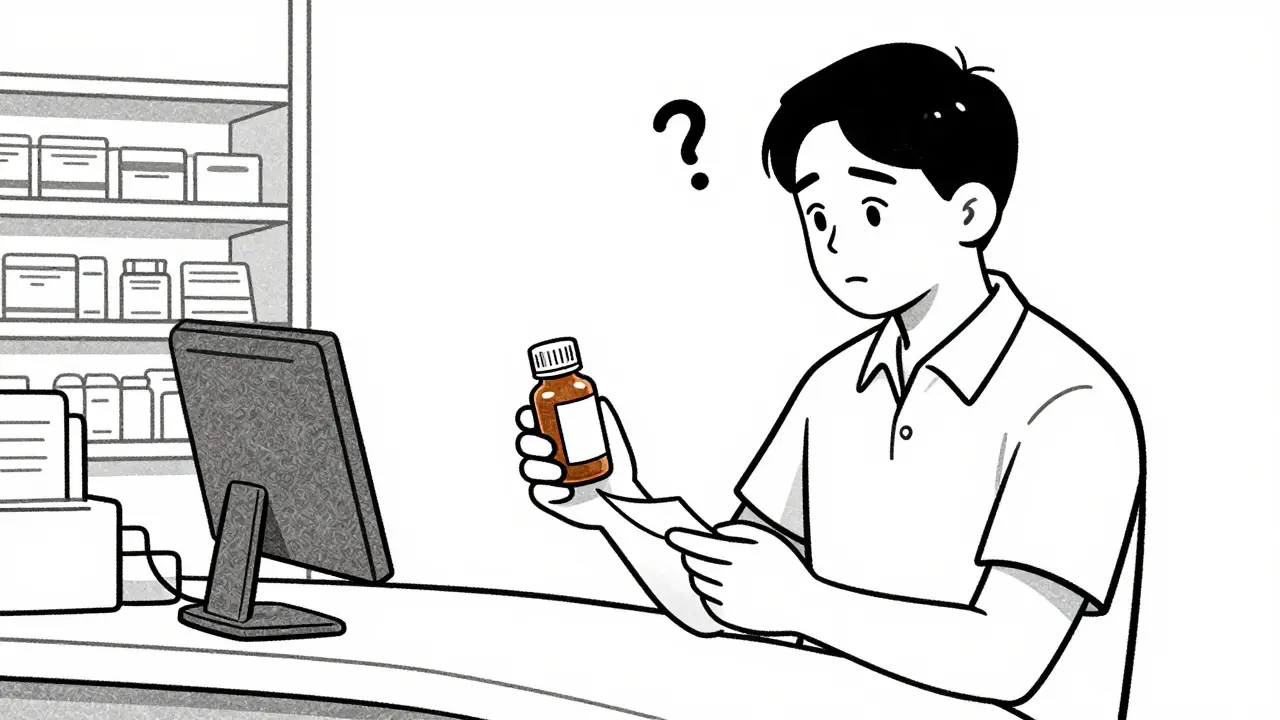
Perception vs Reality: Why Generic Medications Seem Less Effective Than Brands
Explore the gap between scientific facts and public perception regarding generic medications. Learn why generics are equivalent to brand-name drugs, the role of the nocebo effect, and how to navigate your prescription choices confidently.
read more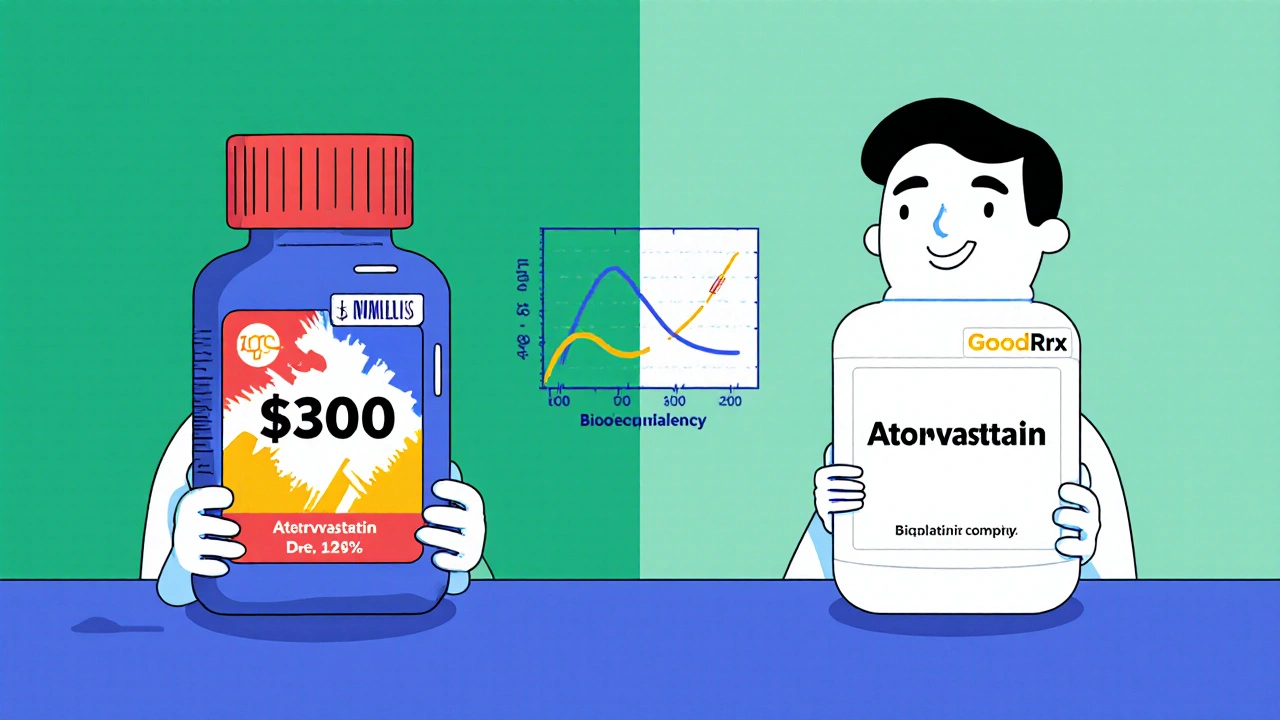
Generic vs. Brand Name Drugs: What You Really Need to Know About Bioequivalence and Cost Savings
Generic drugs are just as effective as brand-name medications but cost up to 85% less. Learn how bioequivalence testing ensures safety, when to be cautious, and how to save money without sacrificing results.
read more