
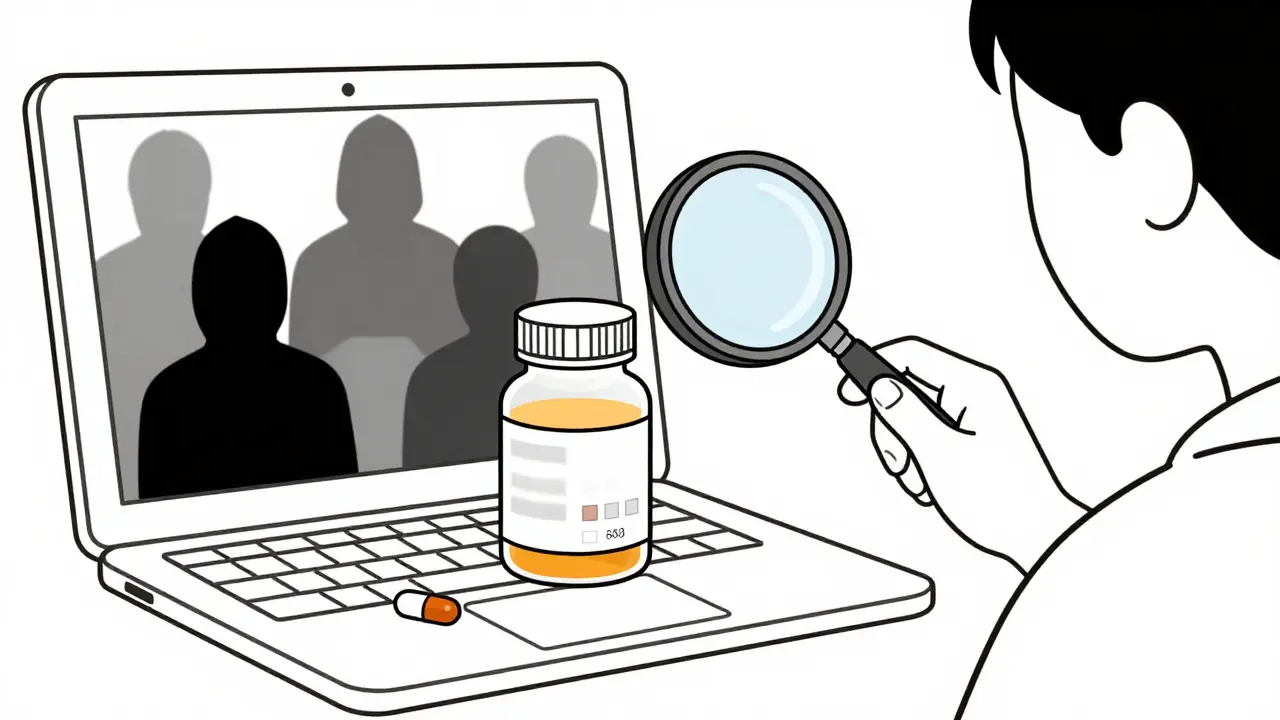
Counterfeit Medicine Checker
Check Your Medicine for Counterfeits
Identify warning signs using these common indicators from the WHO and FDA guidelines
Every year, millions of people around the world take medicine they think is real-only to find out it’s a deadly lie. Counterfeit medications aren’t just poor-quality copies. They’re dangerous frauds. Some contain no active ingredient at all. Others are laced with rat poison, fentanyl, or industrial chemicals. In 2025, Interpol seized over 50 million fake pills in a single global operation. That’s not a statistic-it’s a warning.
What Exactly Are Counterfeit Medications?
Counterfeit medications are fake drugs made to look like the real thing. They might have the right logo, color, and packaging. But inside? They’re completely different. The World Health Organization defines them as products that deliberately misrepresent their identity, composition, or source. This isn’t about poor manufacturing. It’s about fraud. These fakes fall into two main categories: falsified and substandard. Falsified drugs are made with bad ingredients-sometimes nothing at all. Substandard drugs are made by legitimate companies but with sloppy processes, so they don’t work properly. Both can kill. In low-income countries, up to 30% of medicines are fake. Even in places like the U.S. and Australia, where regulations are tight, fake drugs are flooding in through online pharmacies. The FDA says 97% of websites selling prescription drugs are illegal. And most people don’t know how to tell the difference.How Fake Drugs Are Made and Sold
Criminal networks don’t need labs with million-dollar equipment. Many fake pills are made in small, unregulated factories in Asia-often in basements or garages. They use cheap chemicals, ground-up chalk, or even battery acid as fillers. Then they print labels that look identical to Pfizer, Novartis, or Merck. Some even include holograms and QR codes that scan correctly. The real danger? The internet. Over 85% of fake drugs sold as “Canadian” or “U.S.-licensed” actually come from China, India, or Eastern Europe. Social media ads, Instagram influencers, and Telegram groups push these pills as “discount insulin” or “cheap Viagra.” People click, pay with cryptocurrency, and get a box that looks real-until they take it. In 2024, the Pharmaceutical Security Institute recorded over 6,400 incidents of counterfeit drug activity across 136 countries. That’s up from 5,200 in 2023. And it’s not just antibiotics or painkillers anymore. Cancer drugs, insulin, heart medications, and even vaccines are being targeted. One user on Reddit shared that their mother nearly died after taking counterfeit insulin. The packaging was perfect. The only clue? The vial felt lighter than it should.How to Spot a Fake Medicine
You can’t always tell by looking. But there are red flags you can check-before you take anything.- Packaging mismatch: Compare the box to images on the manufacturer’s official website. Look for blurry text, wrong font sizes, or missing batch numbers.
- Color or shape differences: If your usual blue pill is now green, or your tablet has a different score line, something’s wrong.
- Unusual smell or taste: Fake pills often smell like plastic, chemicals, or nothing at all. Real medications have a distinct, sometimes bitter, odor.
- Wrong texture: If the pill crumbles easily, feels sticky, or has rough edges, don’t take it.
- No prescription required: Any website selling prescription drugs without a prescription is illegal. Period.
- Too-good-to-be-true prices: If your $300 insulin is being sold for $30, it’s fake.
Where to Buy Medicine Safely
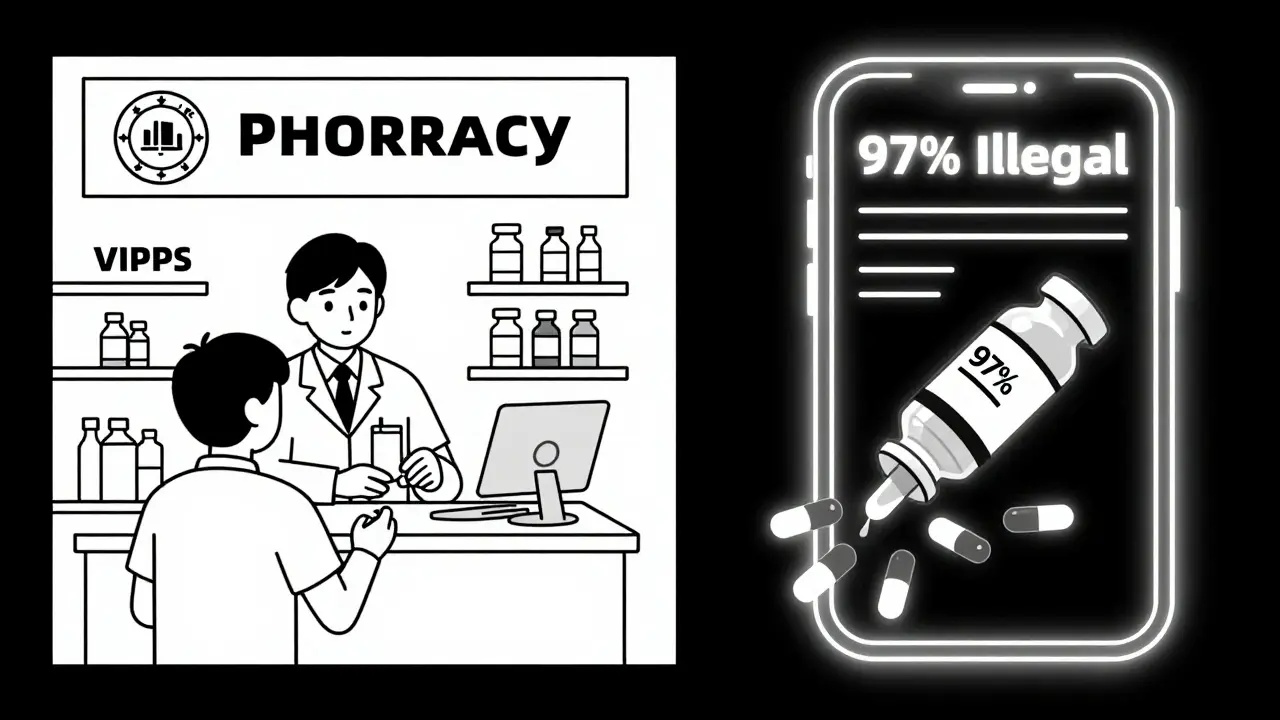
The safest place to get medicine? A licensed pharmacy. In Australia, that means a pharmacy registered with the Therapeutic Goods Administration (TGA). In the U.S., look for the VIPPS seal (Verified Internet Pharmacy Practice Sites). In the EU, check for the official EU logo for online pharmacies. Never buy from:- Facebook or Instagram ads
- Google search results with no physical address
- Websites that don’t ask for a prescription
- Marketplaces like eBay or Amazon for prescription drugs
What to Do If You Suspect a Fake
If you think you’ve been sold a fake medicine:- Stop taking it immediately.
- Save the packaging, receipt, and any communication with the seller.
- Report it to your national health authority. In Australia, use the TGA’s MedSafety app. In the U.S., report to the FDA’s MedWatch program.
- Contact your doctor. Even if you feel fine, some fake drugs cause delayed damage.
Why This Matters More Than You Think
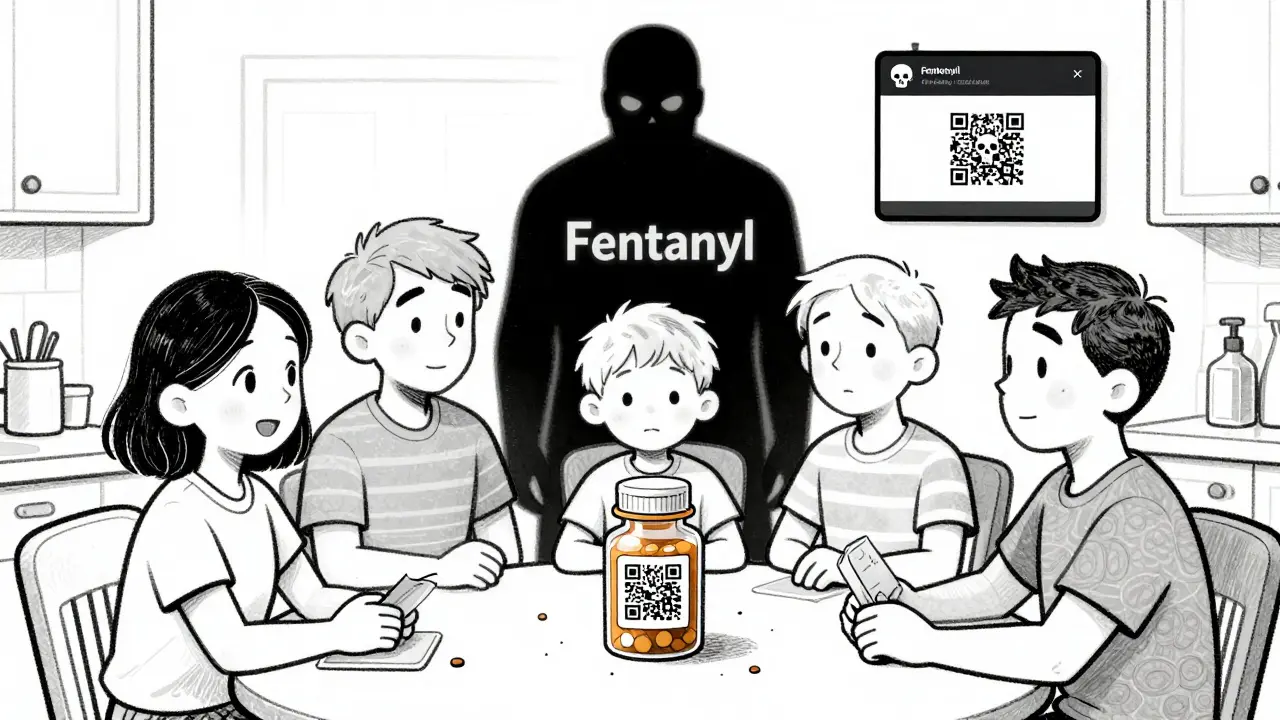
Counterfeit drugs don’t just hurt individuals. They hurt everyone. When people take fake antibiotics, they don’t get better. The infection lingers. Bacteria adapt. And soon, those antibiotics stop working for everyone. That’s antimicrobial resistance-and it’s accelerating because of fake drugs. The WHO says counterfeit medicines are a major driver of this global crisis. In Africa, fake antimalarial drugs kill over 120,000 people a year. In India, fake cancer drugs mean patients die waiting for real treatment. And in wealthy countries? People are dying from fake oxycodone pills that contain fentanyl. The DEA says 7 out of 10 fake pills seized in 2025 had enough fentanyl to kill an adult. The economic cost? Over $83 billion lost each year globally. Legitimate drug companies lose $200 billion. But the real cost? Lives.Tools That Can Help You Stay Safe
Technology is fighting back. Portable spectroscopy devices can scan a pill and tell you if it has the right chemical makeup. These tools are being used by customs agents, pharmacists, and even some hospitals. The global market for these devices is growing fast-projected to hit $2.3 billion by 2030. For now, you don’t need a $500 scanner. You just need to know where to look:- Check the NDC number: Every U.S. drug has a National Drug Code. Type it into the FDA’s database to verify.
- Use the TGA’s online search: In Australia, search your medicine’s name on the TGA website to confirm it’s approved.
- Scan QR codes: Some legitimate packages have codes that link to the manufacturer’s verification page. If it takes you to a random site, it’s fake.
Final Advice: Don’t Risk It
Buying medicine online might feel convenient. But it’s not worth the risk. The fake pills are getting better. The packaging is more convincing. The sellers are more sophisticated. What looked like a scam five years ago is now a multi-million-dollar industry. If you need medication, get it from a licensed pharmacy. If you’re unsure, call your doctor or pharmacist. They’ll help you verify. If you’re traveling, bring your own medicine from home. Don’t buy local unless you’re certain of the source. Your health isn’t a gamble. And fake drugs aren’t a bargain-they’re a death sentence waiting to be swallowed.How can I tell if my medicine is fake?
Look for packaging errors like misspellings, mismatched colors, or blurry printing. Check if the pill’s shape, size, or texture is different from what you’ve taken before. Fake medicines often smell odd or taste bitter in a way that doesn’t match the real version. Always compare your medicine to images on the manufacturer’s official website. If you bought it online without a prescription, assume it’s fake until proven otherwise.
Can counterfeit drugs be deadly?
Yes. Many fake drugs contain toxic substances like fentanyl, rat poison, or industrial chemicals. Others have no active ingredient at all, meaning your condition gets worse. In 2025, the DEA found that 7 out of 10 fake pills seized contained a lethal dose of fentanyl. Fake insulin, antibiotics, and cancer drugs have caused thousands of deaths worldwide. Even if you feel fine at first, the damage can be delayed and irreversible.
Are online pharmacies ever safe?
Only if they’re verified. In the U.S., look for the VIPPS seal from the National Association of Boards of Pharmacy. In Australia, make sure the pharmacy is registered with the TGA. Legitimate online pharmacies require a valid prescription and provide a physical address and phone number. If a site sells prescription drugs without asking for one, it’s illegal-and almost certainly selling fakes.
What should I do if I bought fake medicine?
Stop taking it immediately. Save the packaging and receipt. Report it to your country’s health authority-like the TGA in Australia or the FDA in the U.S. Contact your doctor to check for side effects, even if you feel fine. Fake drugs can cause hidden damage to your liver, kidneys, or heart. Never try to return it to the seller-most are scams themselves.
Why are fake drugs so common now?
The internet made it easy. Criminals use social media, encrypted apps, and cryptocurrency to sell fake drugs without being traced. Advances in printing and packaging let them copy real labels almost perfectly. And demand is high-people want cheaper insulin, Viagra, or painkillers. Criminals exploit that need. With weak regulation in some countries and poor enforcement online, fake drugs have become a global industry worth over $83 billion a year.
Can I trust medicines bought in other countries?
Only if you know the source. Medicines bought from licensed pharmacies in countries with strong regulations (like Australia, Canada, or the EU) are generally safe. But if you buy from street vendors, unlicensed clinics, or websites claiming to be from those countries, you’re at risk. Many fake drugs are sold as “Canadian” or “Australian” but are actually made in China or India. Always verify the pharmacy’s credentials before buying.

Comments
Edith Brederode
I just bought my insulin from a pharmacy I found on Instagram... and now I’m terrified. 😳 I checked the batch number on the FDA site and it didn’t match. I didn’t even realize I was at risk until I read this. Thank you for posting this. I’m going to throw out the whole box today. 🙏
clifford hoang
Let’s be real - this whole ‘fake meds’ thing is just a distraction. The real agenda? Big Pharma wants you dependent. They’re the ones flooding the market with overpriced, underperforming drugs - then they cry ‘fake!’ when people turn to cheaper alternatives. 😏 The FDA? A puppet. The WHO? A front. You think your ‘verified’ pharmacy is safe? Nah. They’re all in on it. The government lets this happen so you keep buying. It’s not about health - it’s about control. 🕵️♂️💊
Arlene Mathison
Okay, I’m serious - this is the most important thing I’ve read all year. I used to buy my anxiety meds online because insurance was a nightmare. But now? I’m going to my local pharmacy tomorrow, even if I have to pay full price. My life is worth more than $20 saved. 🙌 Also, if you’re reading this and you’re scared - you’re not alone. Let’s talk. Let’s share stories. We can fight this together. 💪❤️
Emily Leigh
Ugh. Another ‘be careful’ post. So what? You think people don’t know this? Everyone knows online pharmacies are sketchy. But when you’re broke, sick, and your doctor won’t see you for 3 months? What’s your solution? Go to jail? 😒
Carolyn Rose Meszaros
My aunt took fake blood pressure pills last year. She didn’t even know until she had a mini-stroke. The packaging looked like it came from CVS. 🤯 I cried for an hour. Now I check every single pill I take. I even take pictures of the box and send them to my pharmacist. It’s a pain - but it’s worth it. You’re not paranoid if they’re out to get you. 🙃
Greg Robertson
Just wanted to say thank you for sharing this. I work at a community clinic, and we’ve seen so many patients come in with side effects from fake meds - some didn’t even realize they’d taken anything dangerous. I’ve started handing out printed checklists at the front desk. Small thing, but maybe it helps someone. Stay safe out there. 😊
Renee Stringer
If you’re buying medicine online without a prescription, you’re not just risking your health - you’re enabling a criminal industry. This isn’t ‘harm reduction.’ It’s negligence. And if you think ‘it’s just one time,’ you’re fooling yourself. People die because of choices like yours. Be better.
Courtney Carra
It’s funny how we panic about fake pills but ignore the real crisis: access. Why is insulin $300 in the U.S. but $10 in Canada? Why do we criminalize people who seek affordable care instead of fixing the system? The fake drug trade thrives because the system failed. We’re treating symptoms, not the disease. 🤔 The real counterfeit? The promise of healthcare as a right - not a luxury.