
Melatonin: What It Is, How It Works, and What You Need to Know
When your body starts winding down for the night, it releases melatonin, a hormone produced by the pineal gland that signals to your brain it’s time to sleep. Also known as the sleep hormone, it’s not a sedative—it’s more like a quiet reminder that darkness has arrived, and your body should shift into rest mode. Unlike sleeping pills, melatonin doesn’t force you to fall asleep. It simply helps align your internal clock with the natural day-night cycle.
This natural rhythm, called the circadian rhythm, your body’s 24-hour biological clock that controls sleep, hormone release, and body temperature, can get thrown off by shift work, jet lag, screen time before bed, or even aging. As we get older, our bodies produce less melatonin, which is why many people over 50 struggle with falling or staying asleep. That’s not just normal aging—it’s a measurable drop in hormone levels. Studies show that taking a low dose of melatonin (0.5 to 3 mg) can help reset this clock, especially when taken at the right time.
But melatonin isn’t a cure-all. It won’t fix poor sleep hygiene, the habits and environment that affect your ability to fall and stay asleep like scrolling in bed, drinking caffeine after noon, or an inconsistent bedtime. It works best when paired with simple changes: dimming lights an hour before bed, keeping your room cool, and going to sleep and waking up at the same time every day—even on weekends. For people with delayed sleep phase disorder, jet lag after crossing time zones, or those who work nights, melatonin can be a game-changer. But if you’re tossing and turning because of anxiety, pain, or sleep apnea, melatonin won’t help much.
What’s surprising is how many people don’t realize melatonin is not regulated like a drug in the U.S. That means the actual amount in a supplement can vary wildly from what’s on the label. Some pills contain up to 10 times more melatonin than advertised. That’s why most experts recommend starting with the lowest possible dose—often just 0.5 mg—and only increasing if needed. High doses can leave you groggy the next day, mess with your natural hormone production, or even cause vivid dreams or nightmares.
And while melatonin is generally safe for short-term use, it’s not something you should take every night for months without checking in with a doctor. It interacts with blood thinners, diabetes meds, and some antidepressants. If you’re on any medication or have a chronic condition, it’s worth asking if melatonin is right for you.
Below, you’ll find real-world insights from people who’ve used melatonin—some successfully, others not so much. You’ll see what works, what doesn’t, and what most guides leave out. Whether you’re trying to fix jet lag after a trip, adjust to a new shift schedule, or just get better sleep without reaching for pills, these posts cut through the noise and give you what actually matters.
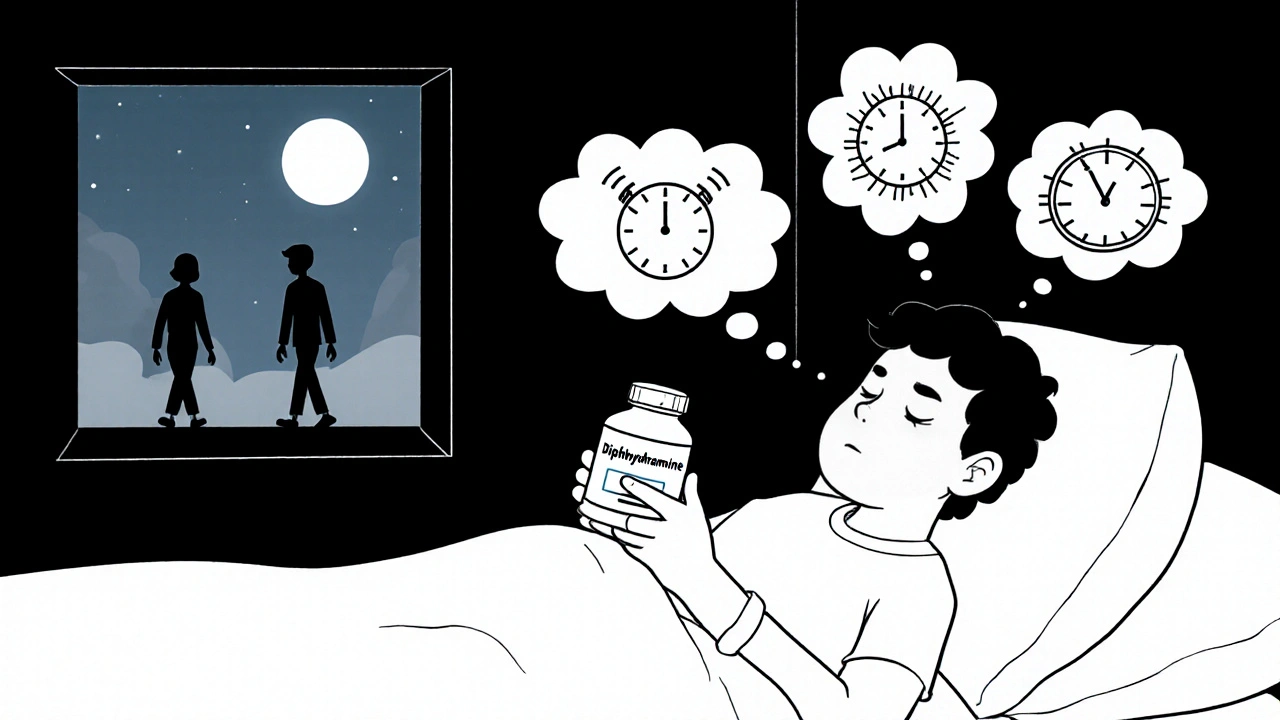
OTC Sleep Aids: What They Really Do, Side Effects, and How Long You Should Use Them
OTC sleep aids may help you fall asleep faster, but they come with serious risks like dementia, rebound insomnia, and next-day grogginess. Learn what’s really in them, how long to use them, and what works better.
read more