
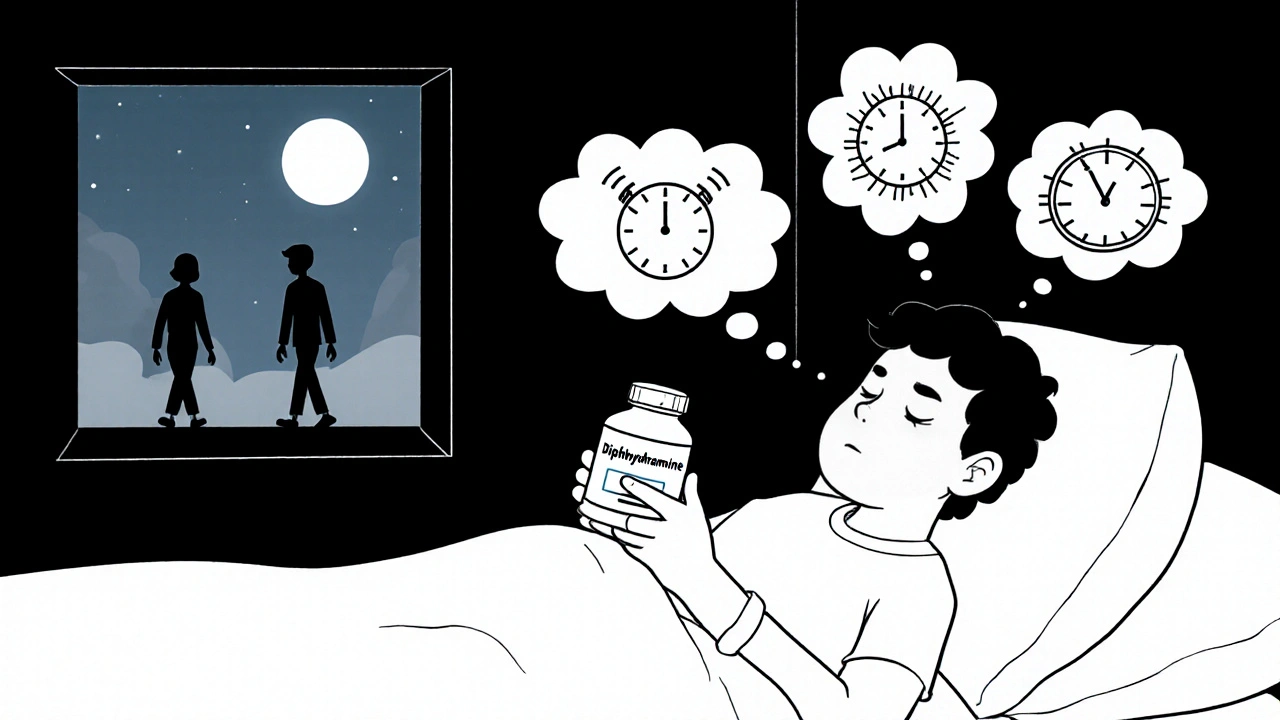
Every night, millions of people reach for an OTC sleep aid hoping to shut off their racing minds and finally get some rest. You’re not alone. But here’s the truth most labels won’t tell you: these pills don’t fix sleep - they just mask it. And for many, the cost is worse than the problem.
What’s Actually in Your Sleep Pill?
Most OTC sleep aids fall into two camps: antihistamines and melatonin. The antihistamines - like diphenhydramine (Benadryl, Sominex) and doxylamine (Unisom SleepTabs) - were never meant to help you sleep. They were designed to stop runny noses and itchy eyes. The drowsiness? That’s just a side effect. These drugs block histamine, a chemical in your brain that keeps you awake. But they also block other signals, which is why you wake up with a dry mouth, blurry vision, or trouble urinating. Melatonin is different. It’s a hormone your body naturally makes when it gets dark. Supplementing it might help if your internal clock is off - like after jet lag or shift work. But here’s the catch: melatonin supplements aren’t regulated like real medicine. A 2017 study found that some products contained as little as 17% or as much as 478% of the melatonin listed on the label. You could be taking half a dose… or five times what you think.The Real Side Effects No One Talks About
Antihistamine-based sleep aids don’t just make you groggy the next day. They’re part of a class of drugs called anticholinergics - and long-term use is linked to a higher risk of dementia. A 7-year study of over 3,400 people found that those who used these drugs regularly had a 54% higher chance of developing dementia. That’s not a small risk. It’s a red flag. Older adults are especially vulnerable. The Beers Criteria - the gold standard for safe prescribing in seniors - lists diphenhydramine as a medication to avoid for anyone over 65. Why? Because it triples the chance of falls, causes confusion, and worsens memory. A 65-year-old who takes one of these pills every night isn’t just risking a bad morning - they’re risking a broken hip, a hospital stay, or even permanent cognitive decline. Melatonin sounds gentler, but it’s not harmless. In a 2022 review, nearly half of users reported daytime drowsiness. Two-thirds said they had vivid dreams or nightmares. Higher doses - like 5mg or 10mg - increased nausea, dizziness, and nighttime waking. The NHS even warns that melatonin can cause unexplained leg pain. If it doesn’t go away in a few days, stop taking it. And then there’s rebound insomnia. If you use these aids for more than two weeks, your brain starts to rely on them. When you quit, sleep gets worse than before. About 30% of long-term users experience this. You didn’t fix your sleep - you broke your body’s natural ability to make it happen.How Long Is Too Long?
The FDA says: don’t use antihistamine sleep aids for more than two weeks. The Cleveland Clinic agrees. The Sleep Foundation says the same. But here’s what’s happening: a 2022 survey found that 38% of people use these pills for more than two weeks. Nearly 20% use them for over a month. That’s not occasional use - that’s daily dependency. For melatonin, the European Food Safety Authority says 1mg is enough for most adults. But most bottles sell 3mg, 5mg, or 10mg. Why? Because more doesn’t mean better. Higher doses just mean more side effects. Start with 0.5mg. If that doesn’t help after a few nights, try 1mg. Don’t jump to 5mg because you think you need a stronger hit. And never take these every night. Use them only when you absolutely need them - like after a long flight or during a short period of stress. If you’re taking one nightly for more than 10 days, you’re at risk of developing tolerance. That means you’ll need more to get the same effect. And that’s how dependence starts.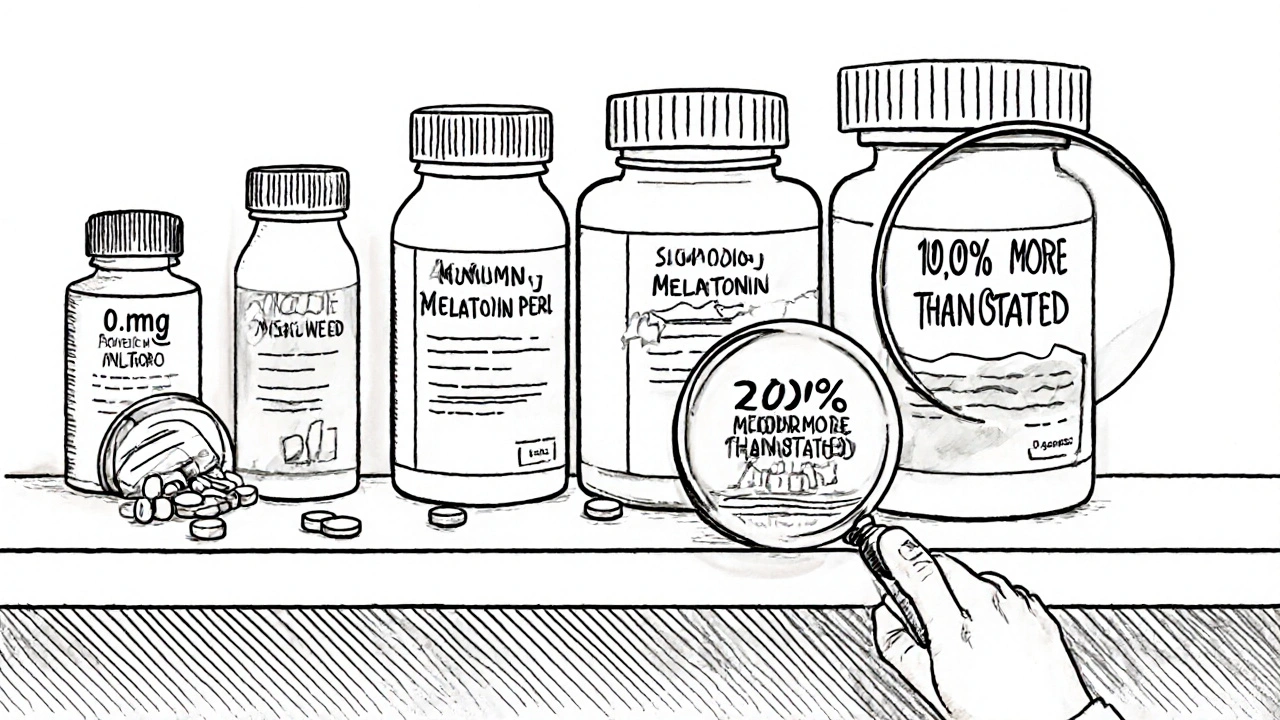
Who Should Avoid These Completely?
If you have sleep apnea, don’t touch OTC sleep aids. They relax the muscles in your throat - which can make breathing pauses worse. That’s dangerous. It could lead to heart problems or even sudden death. Pregnant women should steer clear. Diphenhydramine has limited safety data. Melatonin? Almost none. The NIH says we just don’t know enough. Better safe than sorry. People with prostate issues, glaucoma, or liver disease should also avoid antihistamine-based products. They can make urinary retention worse, raise eye pressure, or overload your liver. These aren’t just "mild" side effects - they’re serious health risks.What Actually Works Better?
There’s a better way. Cognitive Behavioral Therapy for Insomnia - or CBT-I - is the gold standard. It’s not a pill. It’s a set of techniques: fixing your sleep schedule, training your brain to associate bed with sleep, and learning to quiet anxious thoughts. A 2023 meta-analysis found it works for 70-80% of people. That’s better than any pill. And the benefits last. Unlike sleep aids, CBT-I doesn’t wear off. It rewires your brain. You don’t need a therapist to start. Simple habits help: no screens an hour before bed. Keep your room cool and dark. Get up if you’re not asleep after 20 minutes. Don’t nap after 3 p.m. Avoid caffeine after noon. These aren’t "tips" - they’re science-backed fixes. And if you’re still struggling after a few weeks? Talk to a doctor. Chronic insomnia isn’t something you fix with a pill. It’s a signal - maybe your stress is too high, your circadian rhythm is off, or you have an undiagnosed condition. A sleep specialist can help you find the real cause.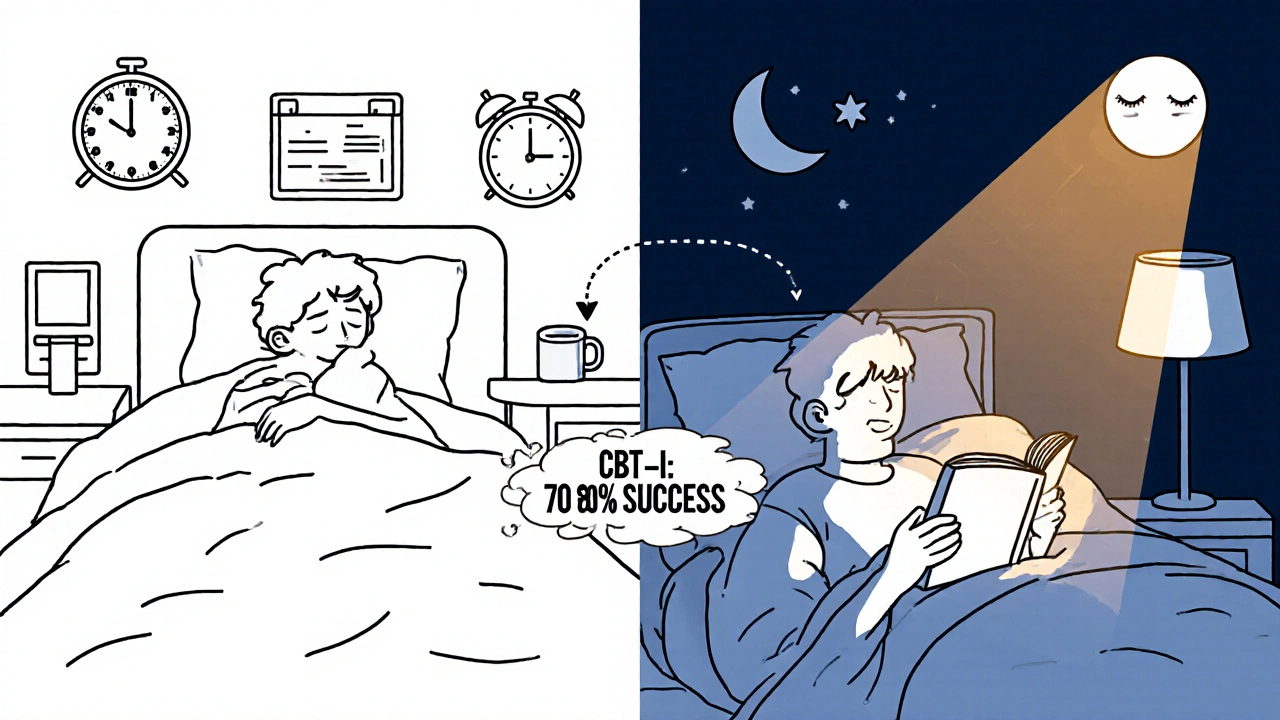
What to Do If You’re Already Using OTC Sleep Aids
If you’ve been taking these for more than two weeks, don’t quit cold turkey. That’s when rebound insomnia hits hardest. Instead:- Track your use. How many nights a week are you taking it?
- Reduce slowly. If you’re taking it every night, try every other night. Then every third night.
- Replace with sleep hygiene. Stick to a bedtime routine. No screens. Read a book. Listen to a calm podcast.
- Give your body time. It can take 1-2 weeks for your natural sleep rhythm to return.

Comments
Ifeoma Ezeokoli
I used to take Unisom every night for years… until I woke up one morning and couldn’t remember my daughter’s birthday. 😔
Turns out, my brain was just… muted. Not rested. Just quiet.
Now I read in bed with a dim lamp, no phone, and I actually sleep better. No pills. Just patience.
It’s not sexy, but it’s mine.
And yeah, I cried the first week. But I didn’t die. I got better.
Daniel Rod
People treat sleep like a broken pipe you just need to plug with chemicals.
But your body isn’t a machine. It’s a forest. You don’t force a tree to grow by pouring syrup on its roots.
CBT-I isn’t a ‘fix’ - it’s a homecoming.
And honestly? The scariest part isn’t the dementia risk.
It’s realizing you’ve been outsourcing your peace to a pharmacy shelf.
💔
gina rodriguez
I’m a nurse and I’ve seen too many seniors on diphenhydramine. One lady fell three times in two months. All because she thought ‘it’s just a sleep aid.’
It’s not. It’s a silent thief.
But hey - if you’re reading this and want to quit? I’m here. We can do it slow. No shame.
You got this. 💪
Sue Barnes
Stop being naive. If you’re taking OTC sleep aids regularly, you’re already addicted. And if you don’t know that, you’re part of the problem.
Pharma doesn’t care if you live or die - they care if you keep buying.
Wake up. Your brain isn’t ‘tired.’ It’s been hijacked.
And no, melatonin isn’t ‘natural’ - it’s a hormone you’re flooding your body with like it’s a vitamin.
Idiots.
jobin joshua
Bro I took 10mg melatonin for 3 months straight 😅
Woke up screaming at 3am every night like I was in a horror movie
My dog started avoiding me
Now I do 0.5mg and only when I’m jetlagged
Life changed
Also my dreams are chill now 😌
Sachin Agnihotri
Can we talk about how the labels say ‘do not use for more than two weeks’… but then the bottle has 100 pills in it? That’s not an accident. That’s a trap.
And why is melatonin sold in 5mg doses? Who needs that? My body makes 0.3mg naturally.
It’s like selling aspirin in 500mg tablets and calling it ‘for severe pain.’
They’re not helping us - they’re profiting from our desperation.
And I’m not even mad. Just… tired.
Diana Askew
Did you know the FDA doesn’t regulate supplements? That means your ‘melatonin’ could be laced with rat poison.
And diphenhydramine? It’s used in chemical weapons to induce drowsiness.
They’re lying to you. The whole system is rigged.
They want you dependent. They want you confused. They want you to forget your own body.
Wake up. The pills are the problem.
And yes, I’ve seen the studies. I’ve done the research.
You’re being manipulated.
Don’t be a statistic.
King Property
You think CBT-I is the answer? LOL. You think some ‘sleep hygiene’ is gonna fix chronic insomnia caused by anxiety, trauma, or ADHD? Please.
People don’t take these pills because they’re lazy.
They take them because their brain is broken - and no amount of ‘no screens before bed’ fixes a neurological disorder.
Stop pretending this is just about habits.
It’s about biology. And biology needs medicine.
Just because it’s OTC doesn’t mean it’s not necessary.
Shut up and let people sleep.
Yash Hemrajani
Oh wow, so you’re telling me that a drug designed for allergies is bad for sleep? Shocking.
And melatonin supplements have inconsistent dosing? You mean like every other supplement on the market?
Let me guess - you also think multivitamins are scams?
Look, I’m 32, work night shifts, and this 1mg melatonin is the only reason I don’t hallucinate at 2am.
It’s not perfect. But it’s better than screaming into a pillow.
So yeah, I’ll keep using it.
And no, I’m not gonna ‘retrain my brain’ - I’m gonna survive my job.
Pawittar Singh
Hey, I used to be the guy taking Unisom every night. I thought I was just ‘having bad sleep.’
Then I lost 3 months of memory. Literally. Couldn’t remember my wedding anniversary.
That’s when I stopped.
Now I do breathing exercises, cold showers before bed, and I write down 3 good things that happened that day.
It’s slow. It’s weird.
But I’m sleeping like I did when I was 17.
You can do it too. I believe in you. 💙
And if you’re scared to quit? Start with one night off. Just one.
You’re stronger than you think.
Josh Evans
My mom took diphenhydramine for 8 years. She didn’t even realize she was confused half the time.
She thought she was just ‘getting older.’
Turns out, her brain was just… fogged.
She quit cold turkey and cried for a week.
But now? She’s sharper than she’s been in a decade.
Just… be careful.
These things sneak up on you.
Allison Reed
The science is clear: OTC sleep aids are not a long-term solution. They are a temporary bandage on a broken bone.
CBT-I is not a ‘trend’ - it’s evidence-based, clinically proven, and endorsed by every major sleep organization.
And yet, we treat it like an alternative.
It’s not.
It’s the standard.
And we’re failing people by not prioritizing it over pills.
It’s time to change the narrative.
Not just for us - for our parents, our partners, our future selves.
Jacob Keil
you know what’s funny? the same people who say ‘just sleep hygiene’ are the ones who never had real insomnia.
real insomnia is your brain screaming at you for 4 hours straight while your body begs to shut down.
no amount of ‘no screens’ fixes that.
and melatonin? it’s not ‘natural’ because it’s in a pill - it’s natural because your body makes it.
so stop acting like it’s magic poison.
some of us need help.
and if you judge us, go sleep in a cage.
Rosy Wilkens
Let me tell you what’s really going on: Big Pharma owns the FDA. They fund the studies. They control the labels.
They want you dependent. They want you believing that sleep is a commodity you buy.
They’ve been doing this for decades.
And now they’re pushing CBT-I as a ‘solution’ to look good while quietly selling you the same pills next year.
Don’t be fooled.
They don’t want you well.
They want you buying.
Wake up.
They’re watching.
Andrea Jones
So… you’re saying I should stop taking melatonin because I had weird dreams?
But I also stopped having panic attacks at 2am.
And my husband says I’m not yelling in my sleep anymore.
So… is it the melatonin? Or is it just that I finally feel safe enough to sleep?
Maybe the answer isn’t ‘stop the pill’ - maybe it’s ‘why did I need the pill in the first place?’
Just… something to think about.
Not judging. Just wondering.