
Category: Medications - Page 3
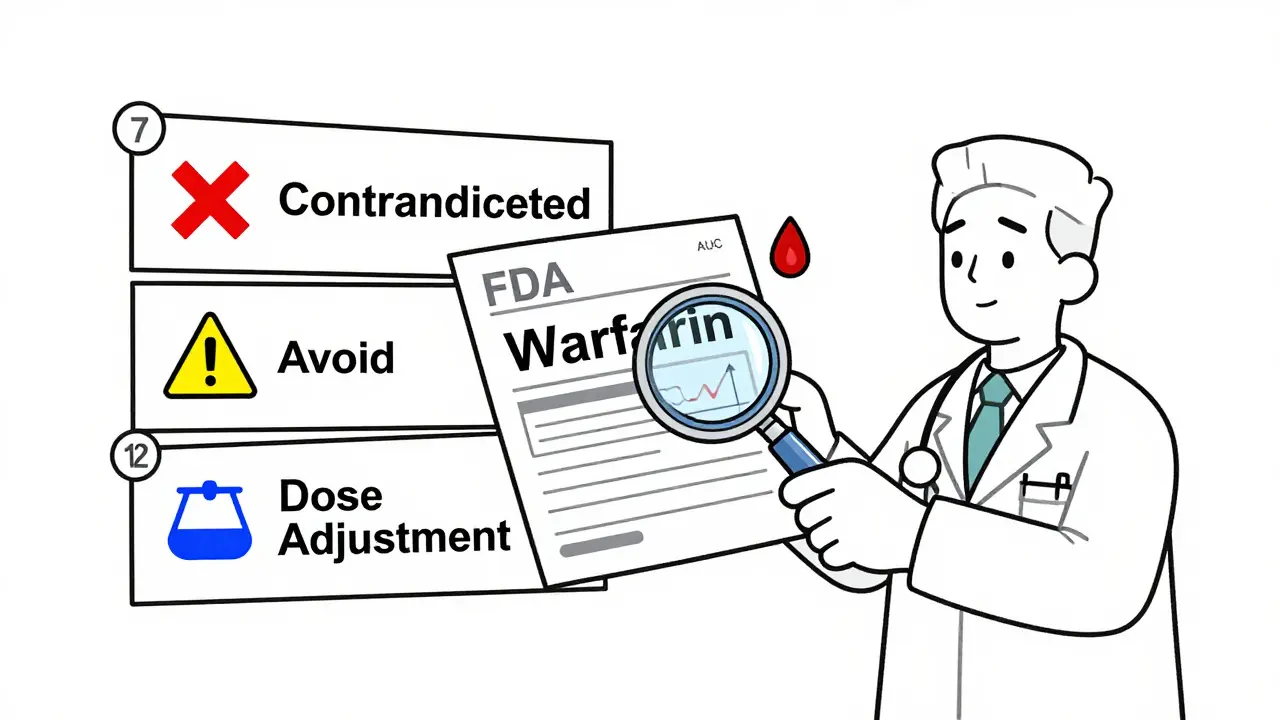
How to Read Drug Interaction Tables in FDA Labels
Learn how to read FDA drug interaction tables to prevent dangerous drug combinations. Understand Section 7, 12, and 2 of prescribing labels, AUC thresholds, and real-world pitfalls.
read more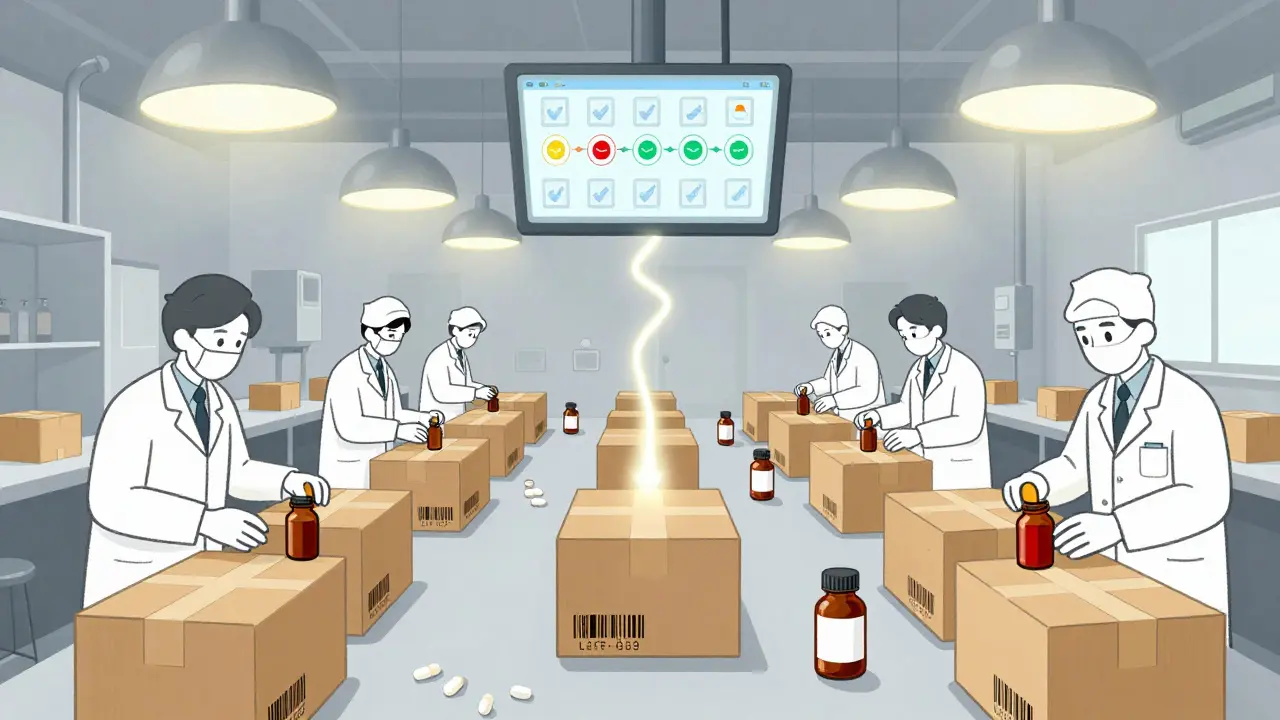
Lot Numbers and Serial Codes: How Track-and-Trace Stops Counterfeit Drugs
Lot numbers and serial codes are the key to stopping counterfeit drugs. Learn how track-and-trace systems work, why they're required by law, and what you can do to protect yourself from fake medicine.
read more
How Brand Manufacturers Produce Their Own Generic Versions
Brand manufacturers create their own generic versions to keep market share after patents expire. These authorized generics are identical to the brand drug but sold at lower prices - with complex impacts on cost, competition, and patient trust.
read more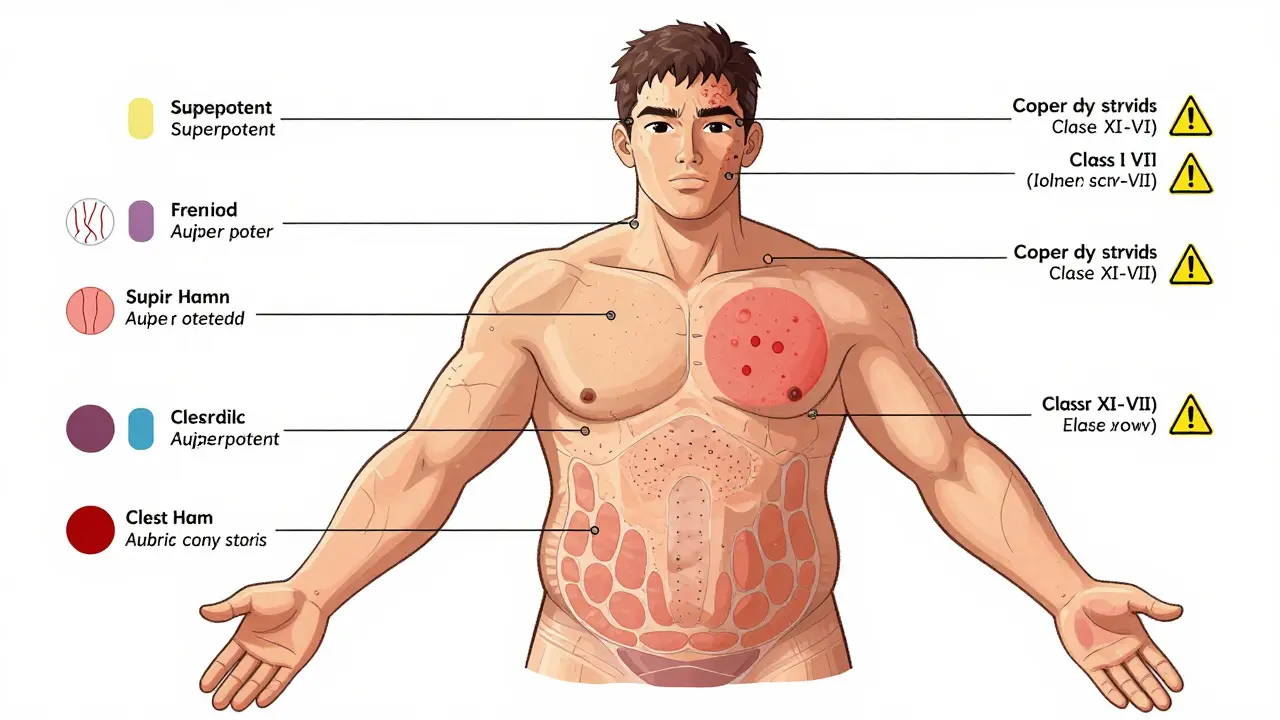
Topical Steroid Potency Chart: How to Choose the Right Strength and Avoid Skin Damage
Learn how to use topical steroids safely by understanding potency classes, proper dosing, and skin-specific risks. Avoid thinning, redness, and withdrawal with evidence-based guidelines.
read more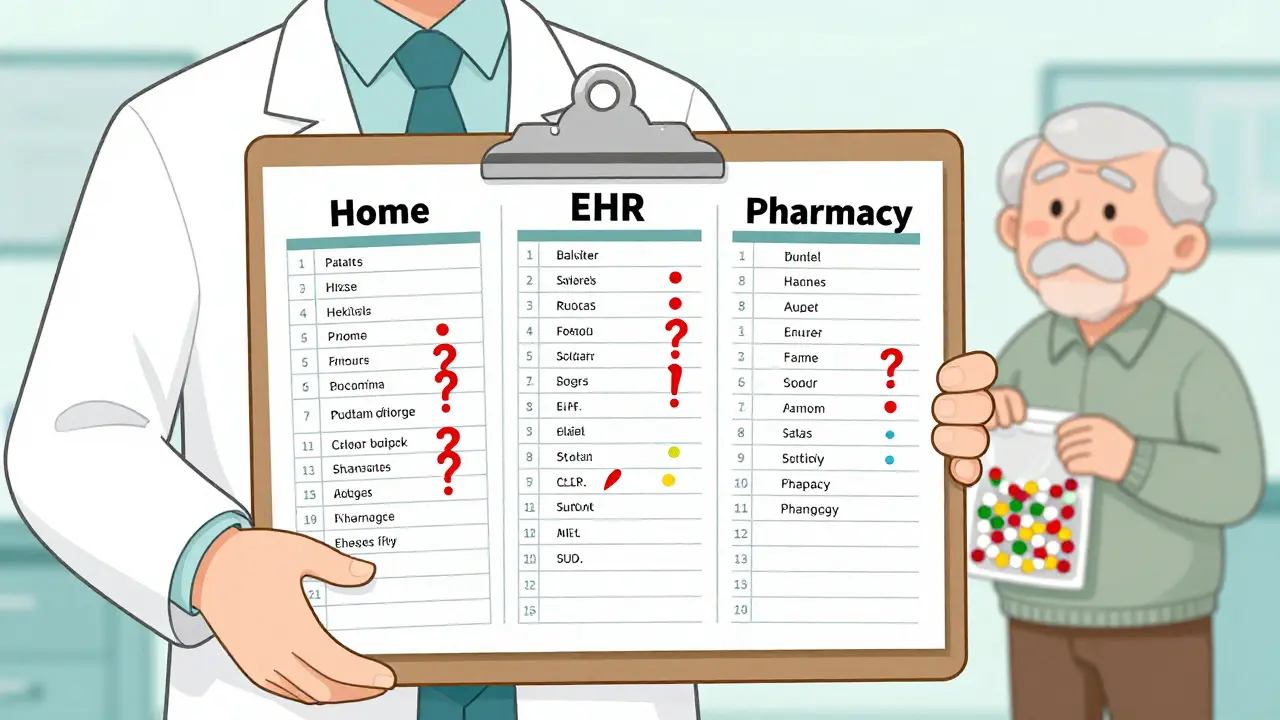
Medication Reconciliation: How to Update Medication Lists Across Care Settings
Medication reconciliation prevents dangerous errors during care transitions by comparing a patient's current meds with new prescriptions. Learn how it works, why pharmacists are essential, and what patients can do to stay safe.
read more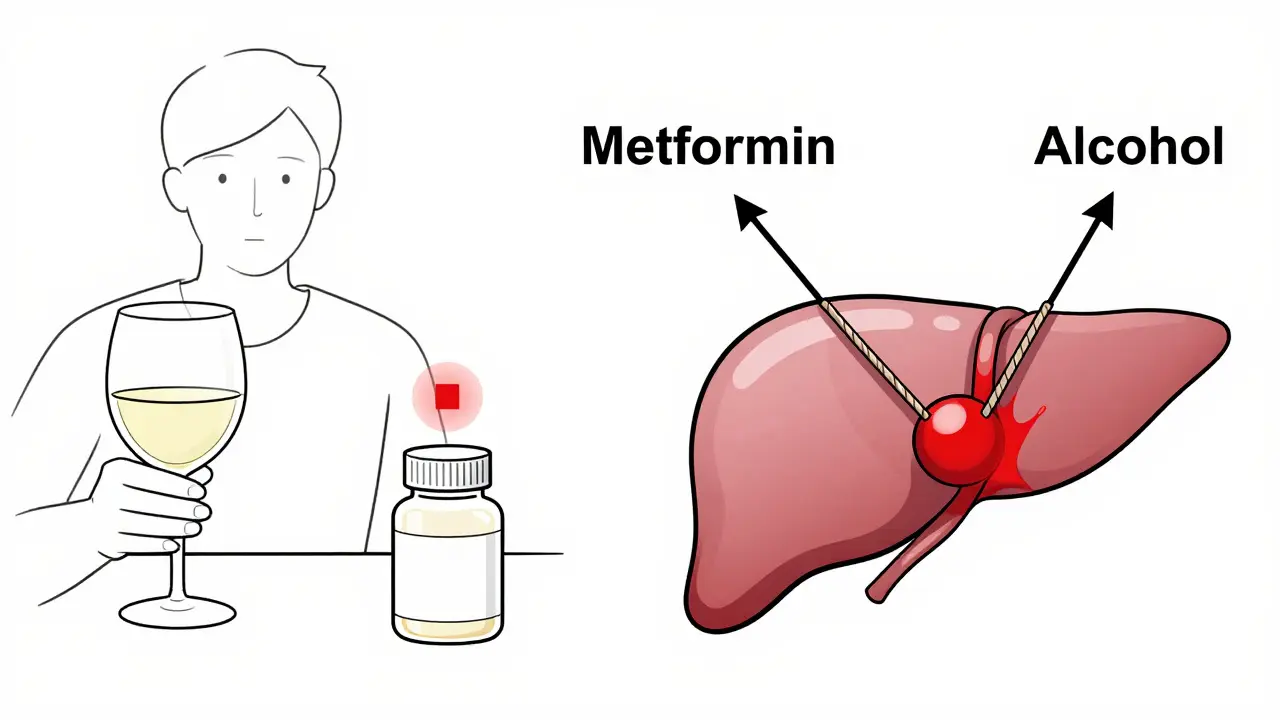
Metformin and Alcohol: What You Need to Know About Lactic Acidosis Risk
Combining metformin and alcohol can trigger lactic acidosis-a rare but deadly condition. Learn the symptoms, real risks, and what experts say about drinking while on this common diabetes medication.
read more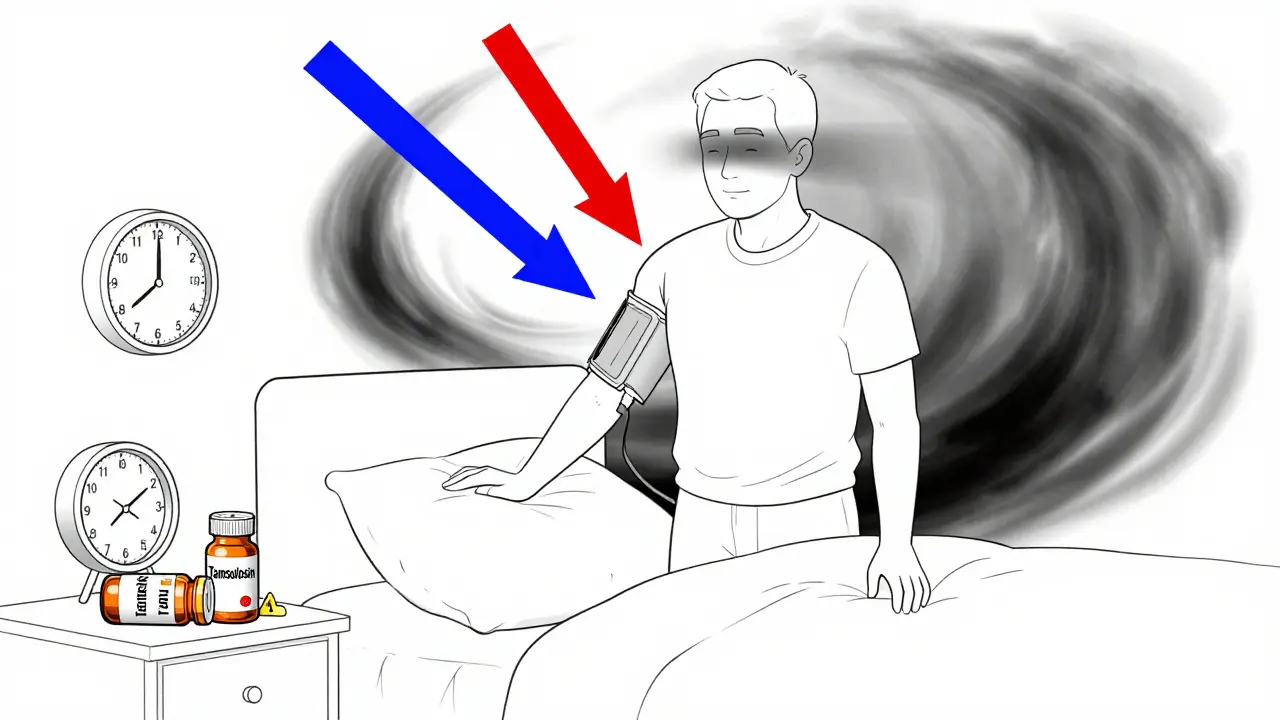
Alpha-Blockers and PDE5 Inhibitors: What You Need to Know About Dizziness and Fainting Risk
Combining alpha-blockers and PDE5 inhibitors can cause dangerous drops in blood pressure, leading to dizziness and fainting. Learn the real risks, who's most vulnerable, and how to stay safe if you're on both drugs.
read more
Combining Multiple Sedating Medications: Risks and Warning Signs You Can't Ignore
Combining sedating medications like opioids, benzodiazepines, and alcohol can dangerously slow breathing and lead to overdose. Learn the deadliest combos, warning signs, and what to do now to protect yourself or a loved one.
read more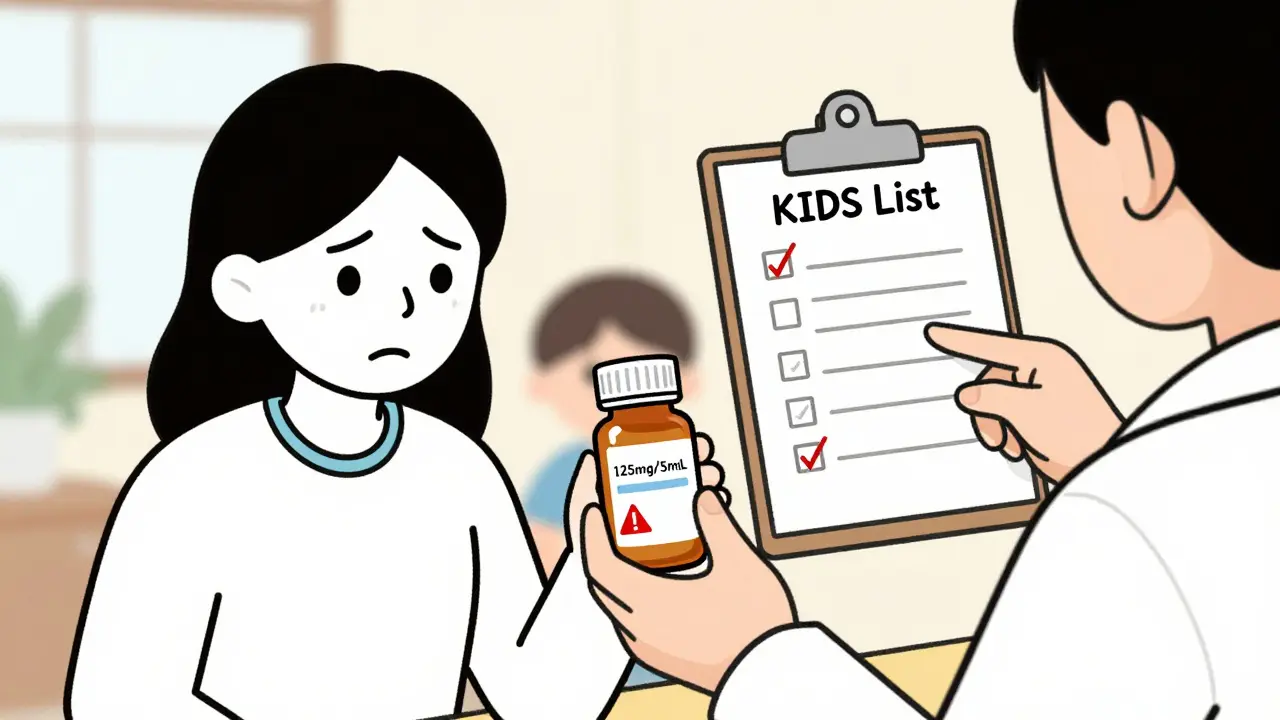
Pediatric Safety: What Parents and Doctors Need to Know About Generic Drugs for Children
Generic drugs for children may seem like a safe, cost-effective choice, but hidden risks in formulation, dosing, and inactive ingredients can lead to serious harm. Learn what parents and doctors need to know to keep kids safe.
read more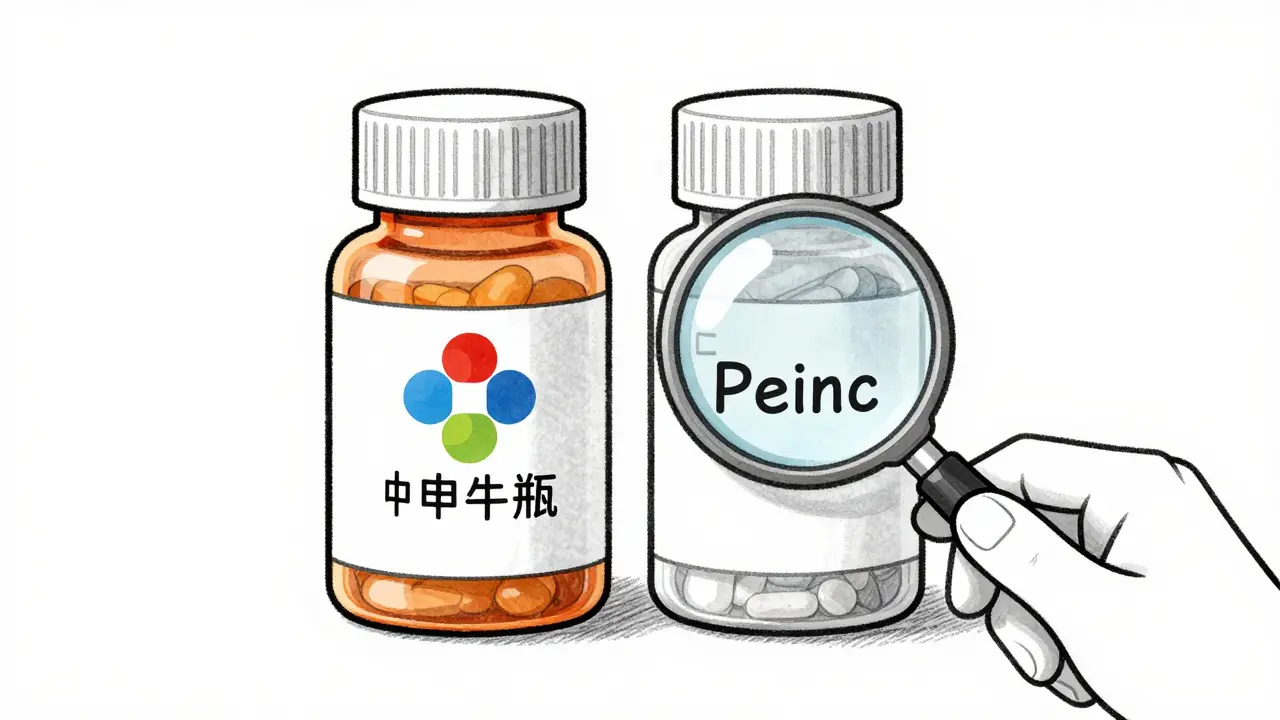
How to Understand Authorized Generics and How They Differ from Traditional Generics
Learn what authorized generics are, how they're identical to brand-name drugs, and how they differ from traditional generics in ingredients, regulation, and cost. Make smarter choices at the pharmacy.
read more