
Diphenhydramine: Uses, Side Effects, and What You Need to Know
When you reach for a sleep aid or grab an over-the-counter allergy pill, you might be holding diphenhydramine, a first-generation antihistamine that blocks histamine to reduce allergy symptoms and causes drowsiness as a side effect. Also known as Benadryl, it’s one of the most widely used drugs in homes across the country—but that doesn’t mean it’s harmless. People take it for colds, itchy skin, motion sickness, and trouble sleeping, often without realizing how strong its effects can be—or how it interacts with other meds.
Diphenhydramine doesn’t just make you sleepy. It affects your brain’s acetylcholine, which can lead to dry mouth, blurred vision, confusion, and even memory problems, especially in older adults. That’s why doctors warn against using it long-term for sleep. It’s not a true sleep medicine; it’s a sedative with side effects that pile up over time. And if you’re already taking something for anxiety, depression, or high blood pressure, diphenhydramine can make those drugs work differently—or dangerously. It’s not rare to see people end up in the ER after mixing it with opioids, antidepressants, or even alcohol. The body doesn’t handle this combo well.
It’s also not just about what you take with it. Taking diphenhydramine daily can make your body rely on it to fall asleep. When you stop, you might feel wide awake at night, even if you’re exhausted. That’s why many people find themselves stuck in a cycle: take it to sleep, wake up groggy, take more to feel normal. And here’s the catch—there are better, safer options for sleep and allergies now. Newer antihistamines like loratadine or cetirizine don’t cause drowsiness. For insomnia, cognitive behavioral therapy works better long-term than any pill.
What you’ll find in the posts below aren’t just generic warnings. They’re real stories and data-driven insights from people who’ve dealt with diphenhydramine’s hidden risks—like how it worsens confusion in older adults, how it masks allergy symptoms without fixing the root cause, and why pharmacists are increasingly flagging it as a risky choice for routine use. You’ll also see how it compares to other sedating meds, what the FDA says about long-term use, and how to spot when it’s doing more harm than good. This isn’t about scare tactics. It’s about giving you the facts so you can decide if this old-school drug still fits your life—or if it’s time to move on.
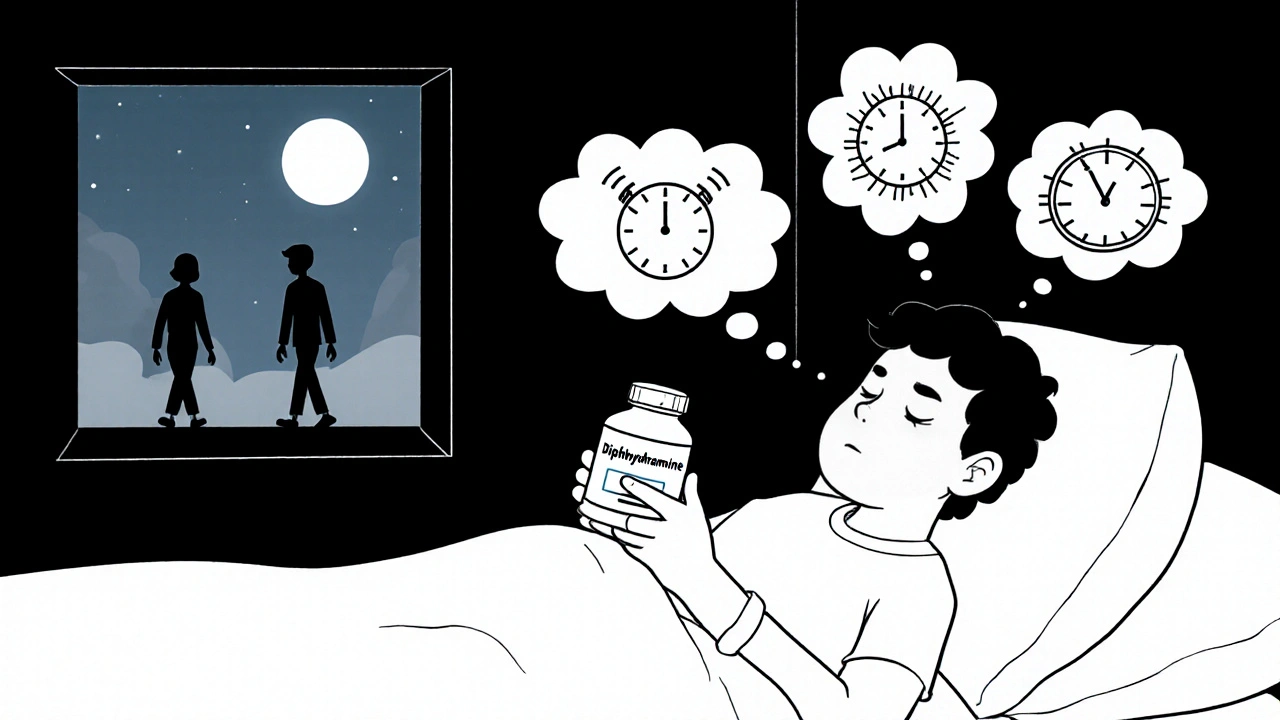
OTC Sleep Aids: What They Really Do, Side Effects, and How Long You Should Use Them
OTC sleep aids may help you fall asleep faster, but they come with serious risks like dementia, rebound insomnia, and next-day grogginess. Learn what’s really in them, how long to use them, and what works better.
read more