
Fluoroquinolone Antibiotics: Risks, Uses, and What You Need to Know
When doctors prescribe fluoroquinolone antibiotics, a class of powerful synthetic antibiotics used for stubborn bacterial infections. Also known as FQs, they include drugs like ciprofloxacin and levofloxacin, which were once go-to treatments for urinary infections, pneumonia, and even anthrax exposure. But these drugs aren’t harmless. The FDA has issued multiple black box warnings — the strongest kind — because fluoroquinolones can cause disabling, long-lasting side effects that show up weeks or months after you stop taking them.
What makes fluoroquinolones different from other antibiotics? They attack bacteria in a way that can also damage human cells, especially in tendons, nerves, and connective tissue. Tendon ruptures, especially in the Achilles, are rare but real. Nerve damage can mean burning pain, tingling, or weakness that doesn’t go away. Some people report brain fog, anxiety, or sleep problems that stick around. These aren’t just side effects — they’re potential life-altering reactions. And they’re not just for older adults. Young, healthy people have been affected too. That’s why guidelines now say: don’t use fluoroquinolones for simple infections like sinusitis, bronchitis, or uncomplicated UTIs unless no other options exist.
Antibiotic resistance is another big reason to be careful. Overuse of fluoroquinolones has made some bacteria immune to them, which means these drugs are losing their power. That’s why doctors are holding back — not because they’re being cautious for no reason, but because we’re running out of effective tools. If you’ve been prescribed one of these, ask: Is this the only option? Are there safer alternatives? Have you tried other treatments first? The posts below break down real cases where fluoroquinolones were used, what went wrong, and how people managed the fallout. You’ll also find comparisons with other antibiotics, guidance on spotting early warning signs, and advice on what to do if you’ve already taken them and feel off. This isn’t about fear. It’s about knowing when to push back — and when to trust the science behind the warning.
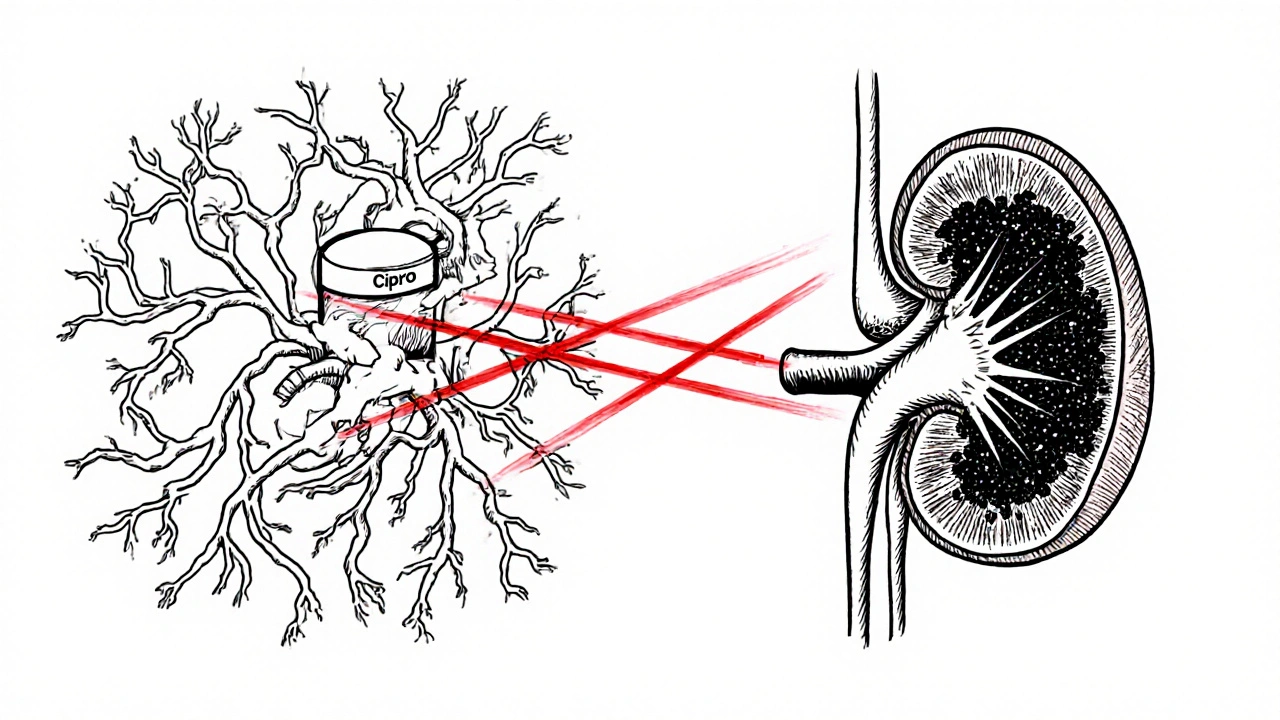
Fluoroquinolone Antibiotics and NSAIDs: Why Combining Them Raises Serious Neurological and Kidney Risks
Combining fluoroquinolone antibiotics with NSAIDs can dangerously increase the risk of kidney injury and neurological damage. Learn why this combo is riskier than you think-and what safer alternatives exist.
read more