
PAMORAs: What They Are, How They Work, and Why They Matter for Gut Health
When you take an opioid for pain, it doesn’t just block pain signals in your brain—it also slows down your digestive system. That’s where PAMORAs, peripherally acting mu-opioid receptor antagonists. These drugs are designed to block opioid effects in the gut without touching the pain relief you need in your brain. Also known as peripheral opioid receptor antagonists, a class of medications that target opioid receptors outside the central nervous system, PAMORAs fix one of the most common and annoying side effects of long-term opioid use: severe constipation.
Think of it this way: opioids bind to receptors all over your body. In your brain, that’s good—it reduces pain. But in your intestines, those same receptors slow down muscle movement, leading to hard stools, bloating, and sometimes even bowel obstruction. PAMORAs like methylnaltrexone and naloxegol work locally in the gut. They don’t cross the blood-brain barrier, so your pain control stays intact while your bowels get back to normal. This isn’t just about comfort—it’s about safety. Chronic constipation from opioids can lead to hospitalizations, reduced quality of life, and even stopping pain treatment altogether.
PAMORAs are especially important for people managing chronic pain from conditions like cancer, back injuries, or arthritis. They’re not a replacement for pain meds—they’re a companion. And they’re not just for adults. Older patients, who are more sensitive to opioid side effects, benefit the most. Studies show that up to 80% of long-term opioid users develop constipation, and PAMORAs can restore normal bowel function in most cases without causing withdrawal or reducing pain relief.
But PAMORAs aren’t the only solution. They work alongside other strategies like fiber, hydration, and movement. What makes them unique is their precision. Unlike laxatives that force movement, PAMORAs fix the root cause: opioid activity in the gut. They’re also used in hospitals for post-op patients who can’t tolerate traditional laxatives. And because they’re targeted, they have fewer systemic side effects than drugs that affect the whole body.
There’s a growing understanding that managing opioid side effects isn’t optional—it’s part of safe prescribing. That’s why doctors now consider PAMORAs when writing long-term opioid prescriptions. The FDA has approved several versions, and real-world data shows they’re effective, well-tolerated, and often life-changing for patients who thought constipation was just part of the deal.
What you’ll find in the posts below are real, practical insights into how PAMORAs fit into broader medication safety, drug interactions, and patient care. You’ll see how they compare to other treatments, what risks to watch for, and how they connect to topics like opioid use in older adults, medication adherence, and pharmacy safety protocols. This isn’t theoretical—it’s what’s happening in clinics and homes every day. Whether you’re a patient, caregiver, or healthcare worker, understanding PAMORAs helps you make smarter choices about pain, safety, and quality of life.
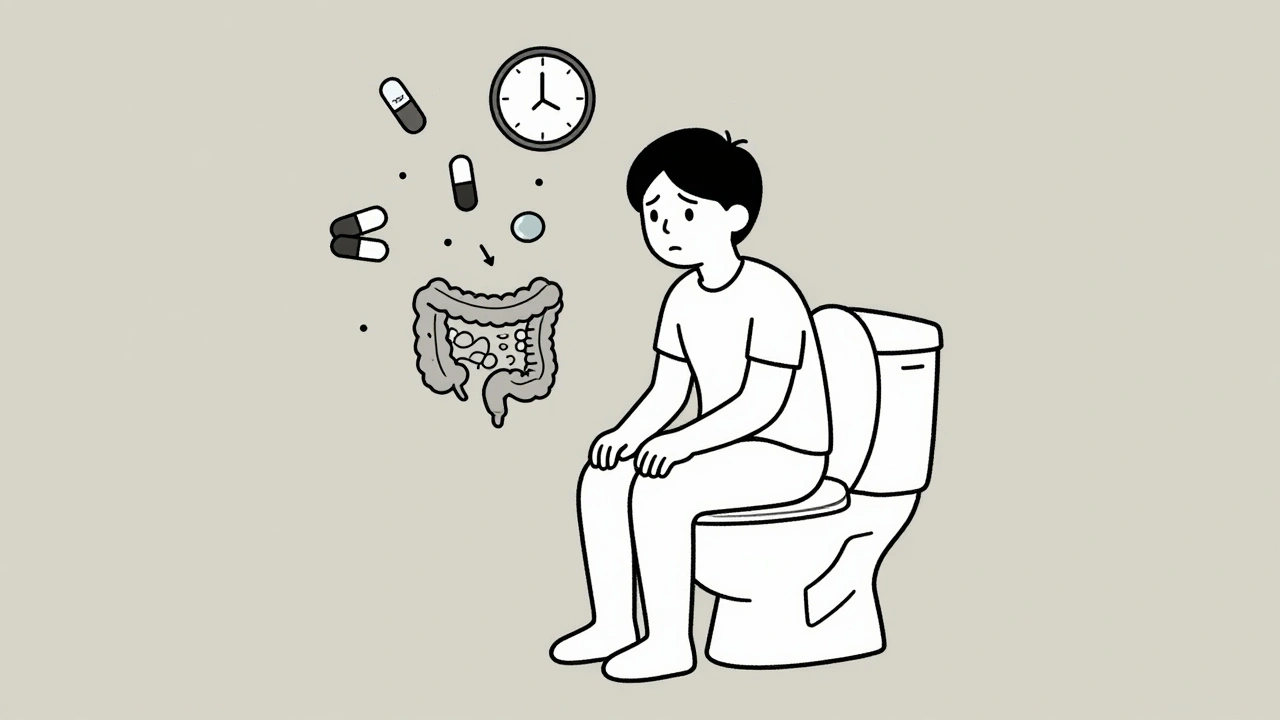
Opioid-Induced Constipation: How to Prevent and Treat It Effectively
Opioid-induced constipation affects up to 60% of patients on long-term pain meds. Learn how to prevent it with early laxative use and when to turn to PAMORAs for effective relief - without losing pain control.
read more