
NSAIDs: What They Are, How They Work, and What You Need to Know
When you reach for ibuprofen or naproxen to ease a headache, sore muscles, or joint pain, you’re using a class of drugs called NSAIDs, nonsteroidal anti-inflammatory drugs that reduce pain, fever, and inflammation by blocking certain enzymes in the body. Also known as anti-inflammatory painkillers, they’re among the most widely used medications worldwide — but that doesn’t mean they’re safe for everyone.
NSAIDs work by targeting enzymes called COX-1 and COX-2. These enzymes make prostaglandins, chemicals that cause pain and swelling. Block them, and the pain goes down. But COX-1 also protects your stomach lining and helps your blood clot. That’s why long-term use can lead to ulcers, internal bleeding, or even heart problems. Not all NSAIDs are the same. Some, like celecoxib, are designed to spare COX-1 and reduce stomach risks — but they may raise your chance of heart attack. And if you’re on blood thinners, have kidney disease, or are over 65, even a single dose can be risky.
People often think of NSAIDs as harmless over-the-counter fixes, but they’re powerful drugs with real consequences. Studies show that regular use increases the risk of kidney damage, especially in older adults or those with high blood pressure. They can also interfere with blood pressure medications and make heart failure worse. Even topical NSAIDs — gels and creams — can get into your bloodstream and cause side effects, especially if you apply them over large areas or use them for weeks. If you’ve ever felt dizzy, swollen, or had dark stools after taking one, that’s not normal. It’s your body telling you something’s off.
What you’ll find below isn’t just a list of articles. It’s a practical guide to understanding how NSAIDs fit into real-life health decisions. You’ll see how they compare to other pain treatments, what hidden risks come with long-term use, how they interact with other meds like blood pressure pills or diabetes drugs, and why some people can’t take them at all. Whether you’re managing arthritis, recovering from an injury, or just trying to avoid side effects, these posts give you the facts — not marketing, not guesses, just what you need to know to use these drugs safely.
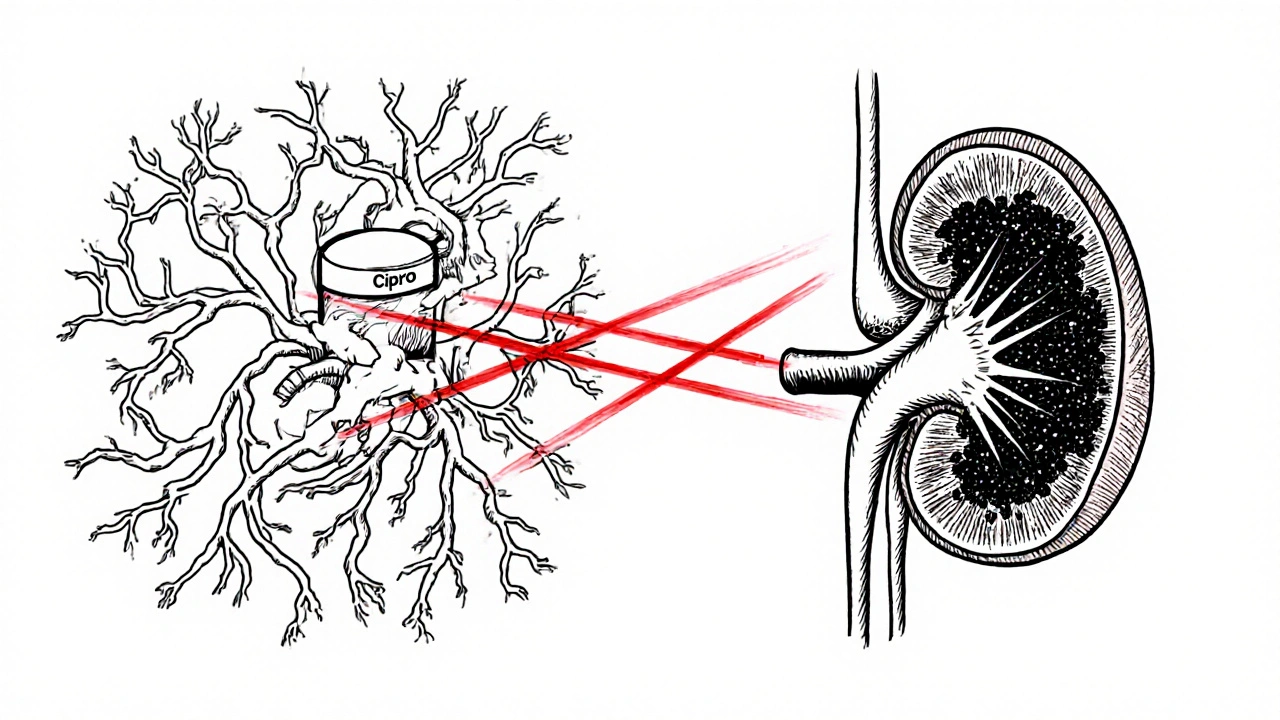
Fluoroquinolone Antibiotics and NSAIDs: Why Combining Them Raises Serious Neurological and Kidney Risks
Combining fluoroquinolone antibiotics with NSAIDs can dangerously increase the risk of kidney injury and neurological damage. Learn why this combo is riskier than you think-and what safer alternatives exist.
read more