
Category: Medications - Page 4
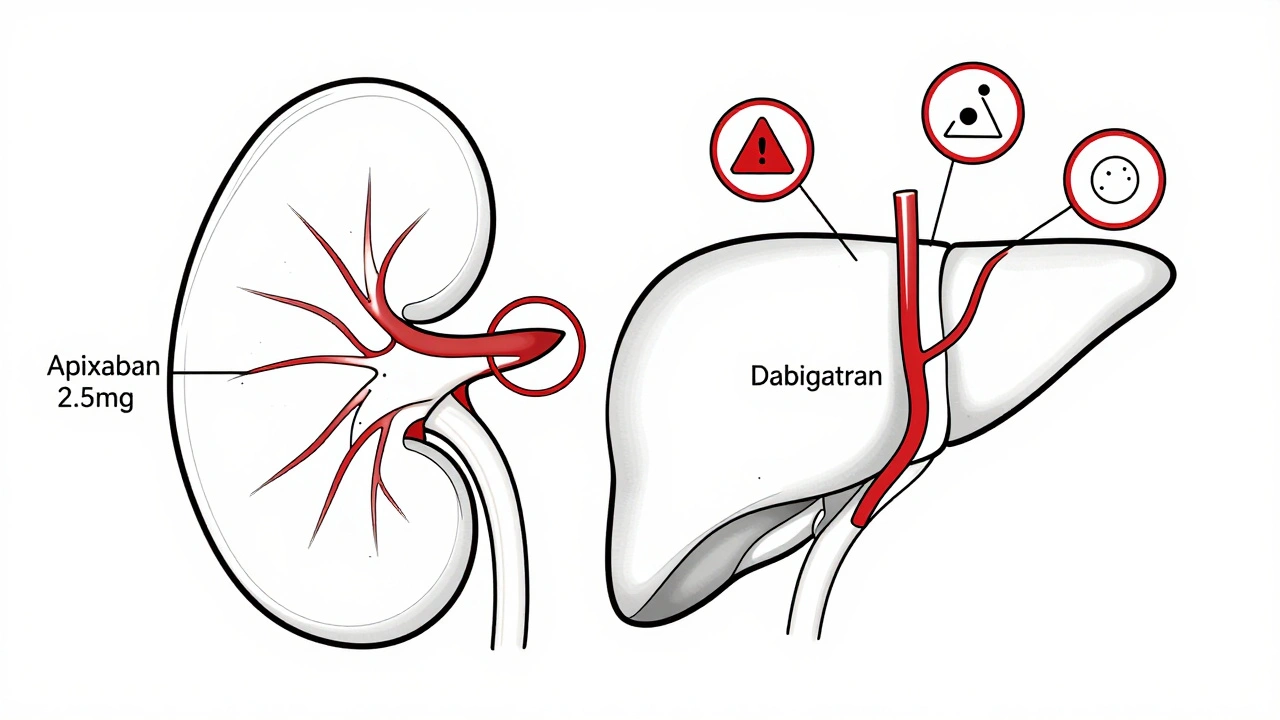
Anticoagulation in Kidney and Liver Disease: What Doctors Really Do
Managing blood thinners in kidney and liver disease is complex. Apixaban may be safest in advanced kidney disease, but DOACs are risky in cirrhosis. Warfarin is unpredictable but reversible. The right choice depends on your organ function, not just the numbers.
read more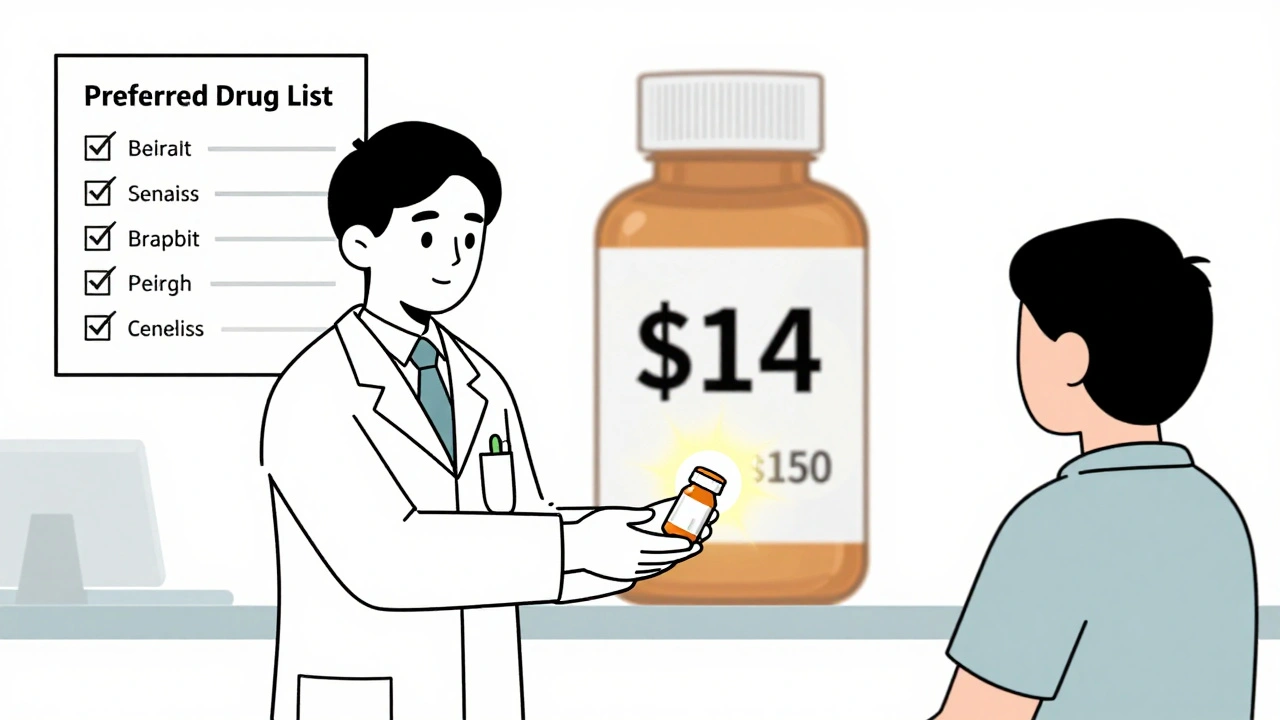
Generic Prescribing Incentives: How States Encourage Cheaper Drug Choices
States use policies like Preferred Drug Lists and copay differentials to push patients toward cheaper generic drugs. These strategies save billions, but can also cause shortages if not managed carefully.
read more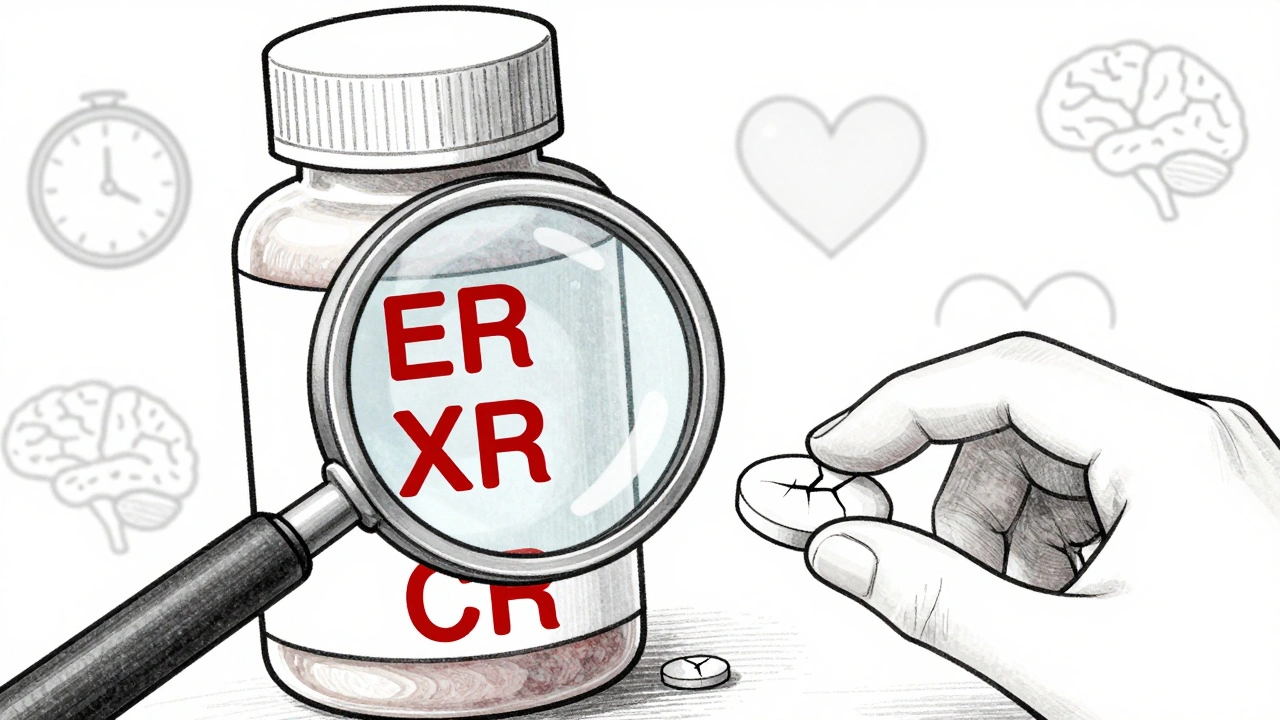
How to Read Directions for Extended-Release Medications on Labels
Learn how to read extended-release medication labels to avoid dangerous mistakes like crushing pills or taking them at the wrong time. Understand ER, XR, SR codes and why timing matters for your safety.
read more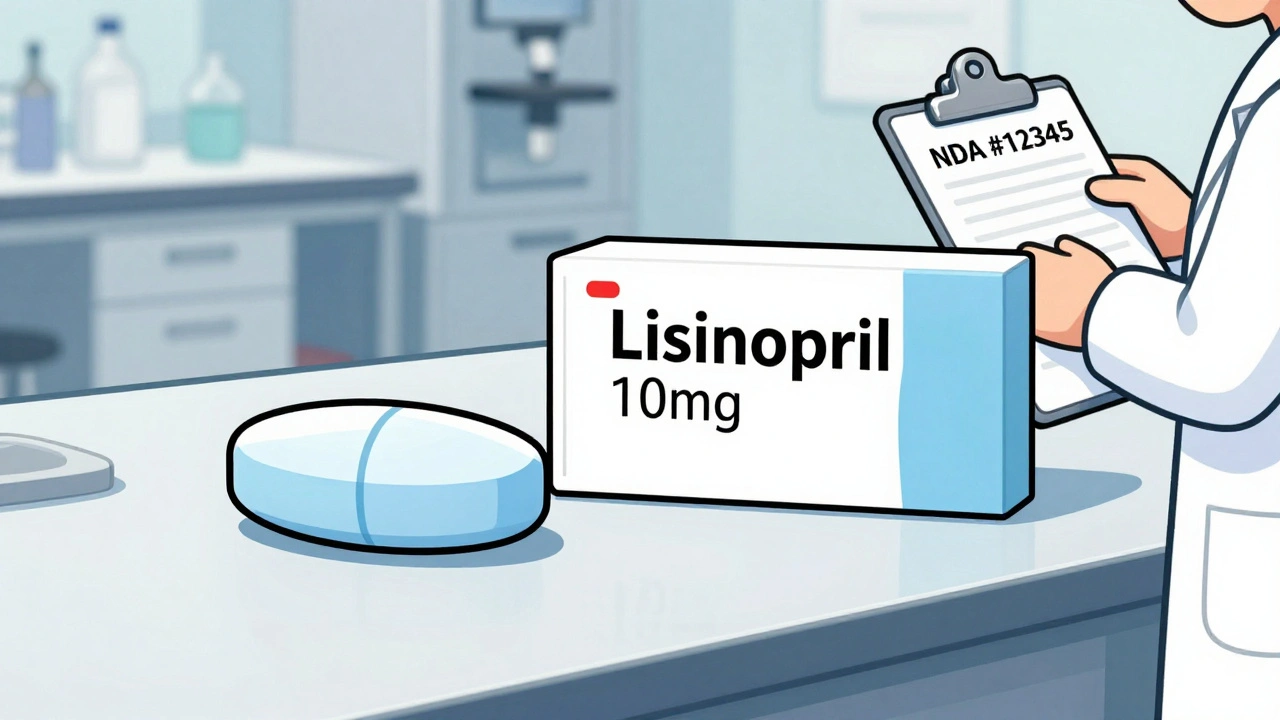
Who Actually Manufactures Authorized Generics? The Real Story Behind the Labels
Authorized generics are often made by the same companies that produce brand-name drugs - using the same facilities and processes. Learn who really manufactures them and why it matters for your health and wallet.
read more
FDA Safety Standards: How Generic Drugs Meet Brand Name Drug Requirements
The FDA requires generic drugs to meet the same safety, strength, and effectiveness standards as brand-name drugs. Learn how bioequivalence testing, strict manufacturing rules, and real-world data prove generics are a safe, affordable choice.
read more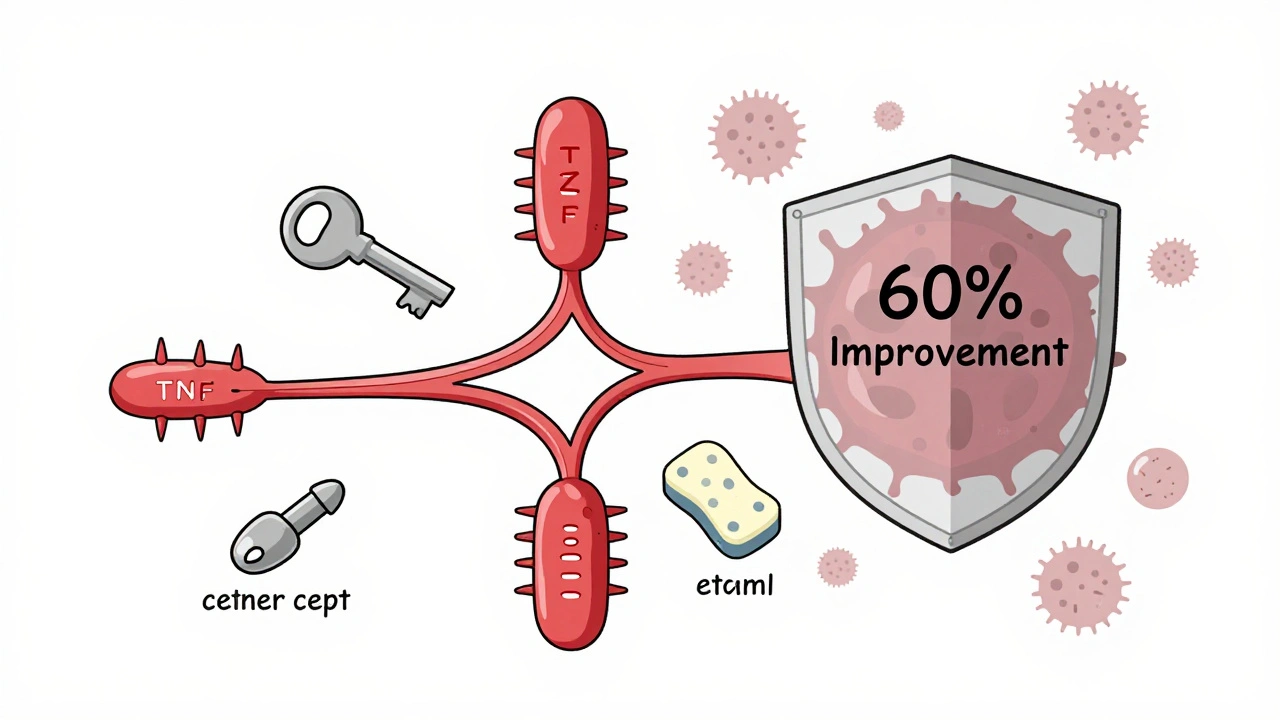
TNF Inhibitors and Cancer Risk: What You Need to Know About Biologics and Immunosuppression
TNF inhibitors like Humira and Enbrel are powerful treatments for autoimmune diseases, but concerns about cancer risk persist. Latest studies show no overall increase in cancer risk, with important differences between drugs and personal risk factors that guide safe use.
read more
Opioid-Induced Constipation: How to Prevent and Treat It Effectively
Opioid-induced constipation affects up to 60% of patients on long-term pain meds. Learn how to prevent it with early laxative use and when to turn to PAMORAs for effective relief - without losing pain control.
read more
Corticosteroids for Autoimmune Disease: Benefits and Long-Term Risks
Corticosteroids quickly reduce inflammation in autoimmune diseases like lupus and rheumatoid arthritis, but long-term use carries serious risks including bone loss, cataracts, and adrenal suppression. Learn how to use them safely and what alternatives exist.
read more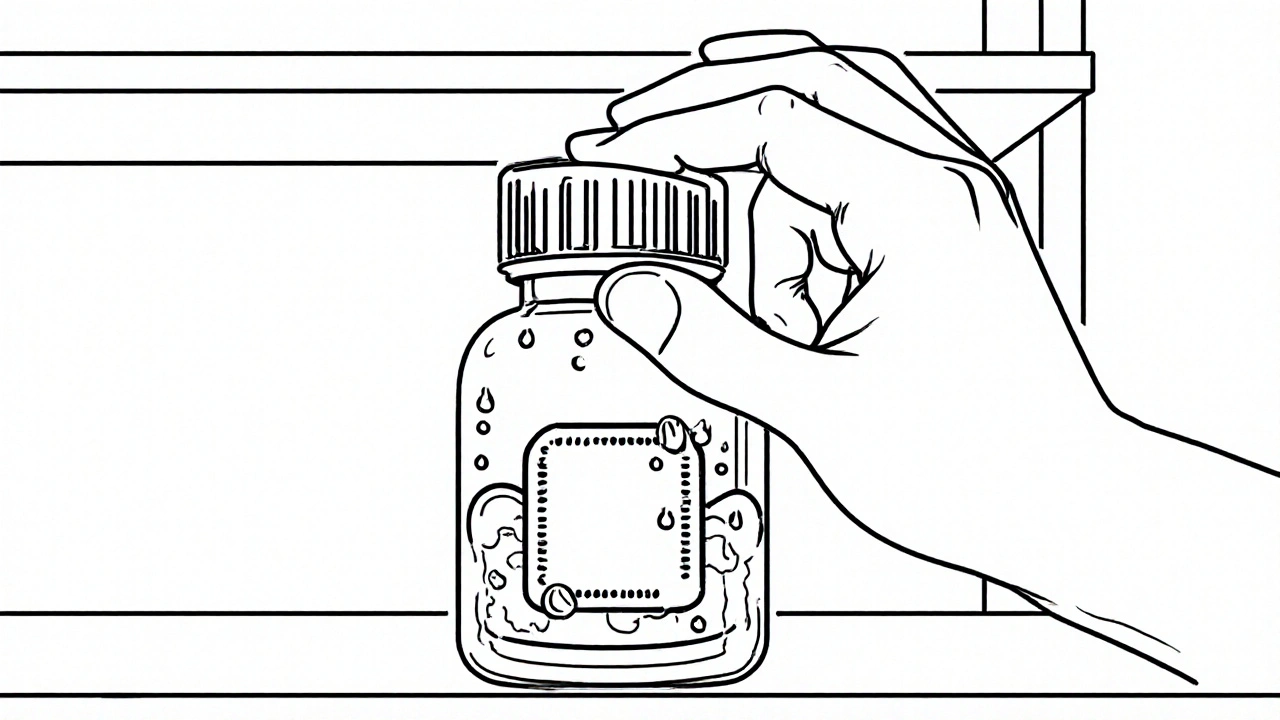
How to Prevent Moisture Damage to Pills and Capsules: Expert Storage Tips
Learn how to prevent moisture damage to pills and capsules with expert storage tips. Discover why silica gel, PVA coatings, and proper storage locations matter for medication safety and effectiveness.
read more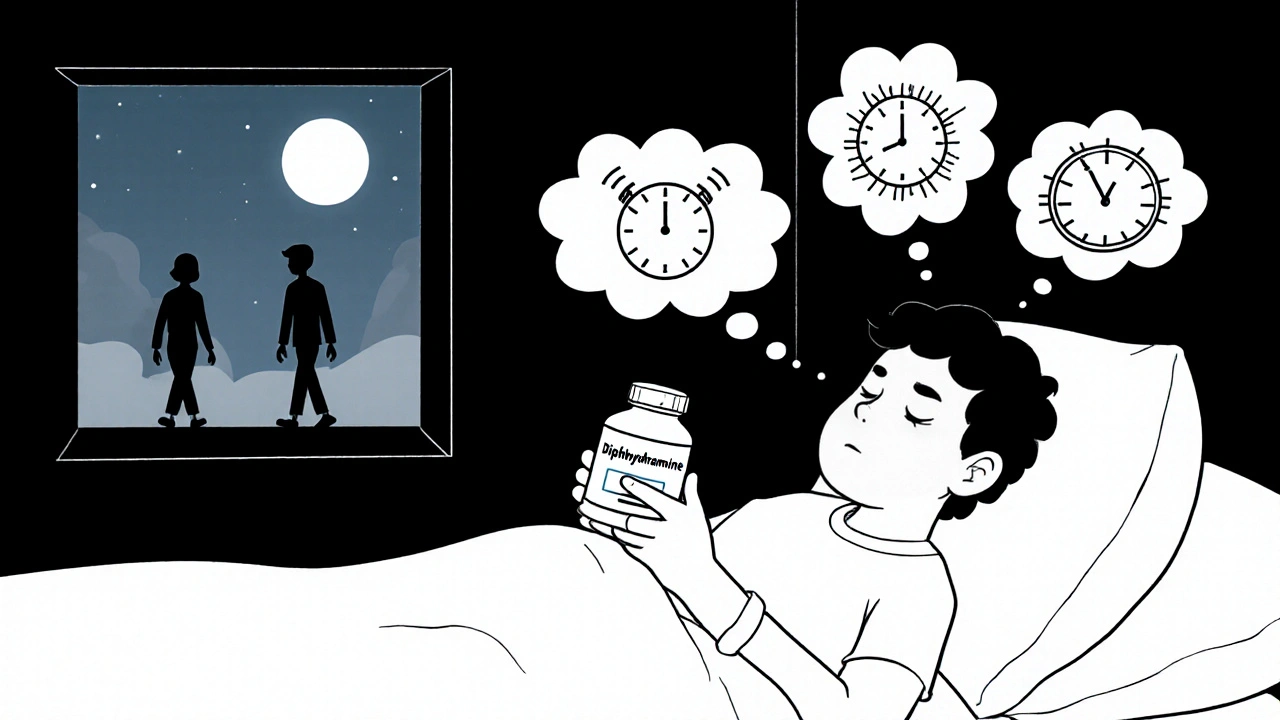
OTC Sleep Aids: What They Really Do, Side Effects, and How Long You Should Use Them
OTC sleep aids may help you fall asleep faster, but they come with serious risks like dementia, rebound insomnia, and next-day grogginess. Learn what’s really in them, how long to use them, and what works better.
read more