
Category: Medications - Page 2
How Patent Expiration Drives Drug Price Drops: Economic Impact Explained
When pharmaceutical patents expire, competition from generics causes major price drops. Learn how this process works, why prices vary globally, and real examples like Eliquis and Humira.
read more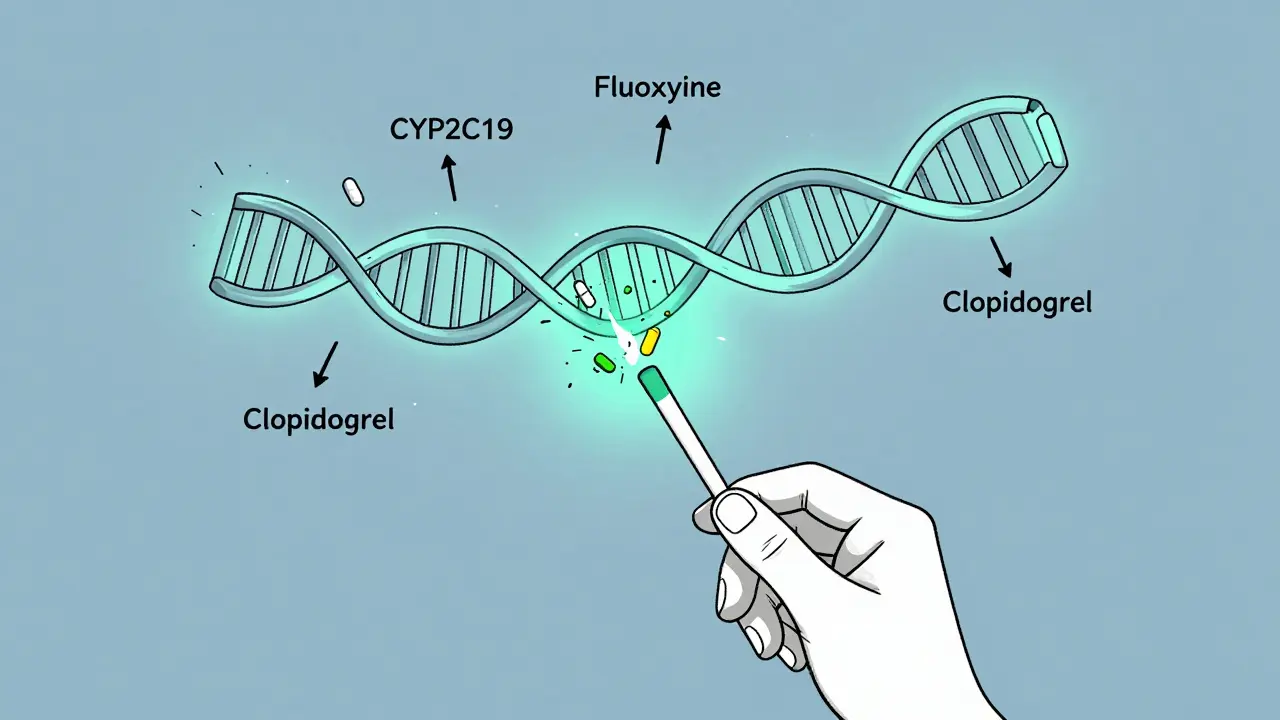
Pharmacogenomics: How Genetic Testing Makes Medications Safer and More Effective
Pharmacogenomics uses your DNA to predict how you'll respond to medications, helping avoid dangerous side effects and ineffective treatments. Learn how genetic testing is making drugs safer and more personalized.
read more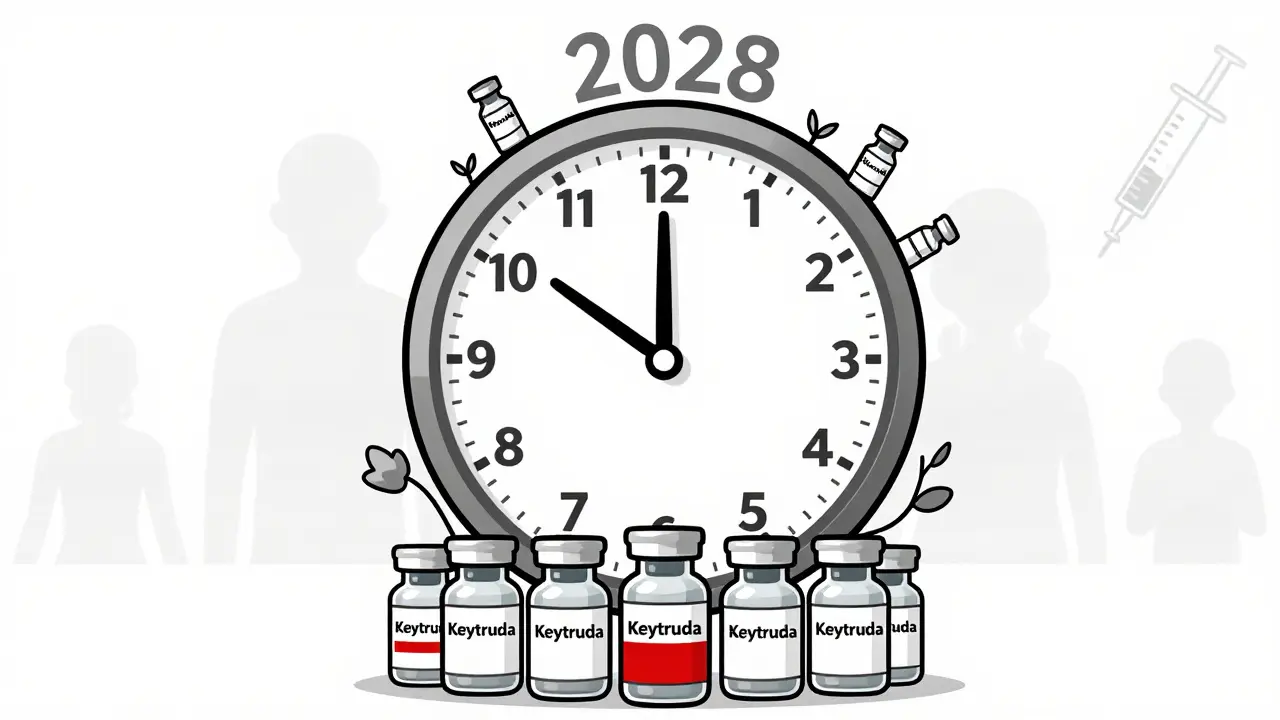
Future Biosimilars: Upcoming Patent Expirations and Market Entry
Biosimilars are set to transform healthcare as major biologics like Keytruda and Eylea lose patent protection between 2025 and 2030. Learn how these complex, lower-cost alternatives are entering the market, what’s holding them back, and what it means for patients and providers.
read more
How to Talk to Your Doctor About Staying on a Brand Medication
Learn how to effectively talk to your doctor about staying on a brand medication when generics aren't working for you. Get practical tips, real examples, and steps to navigate insurance and medical resistance.
read more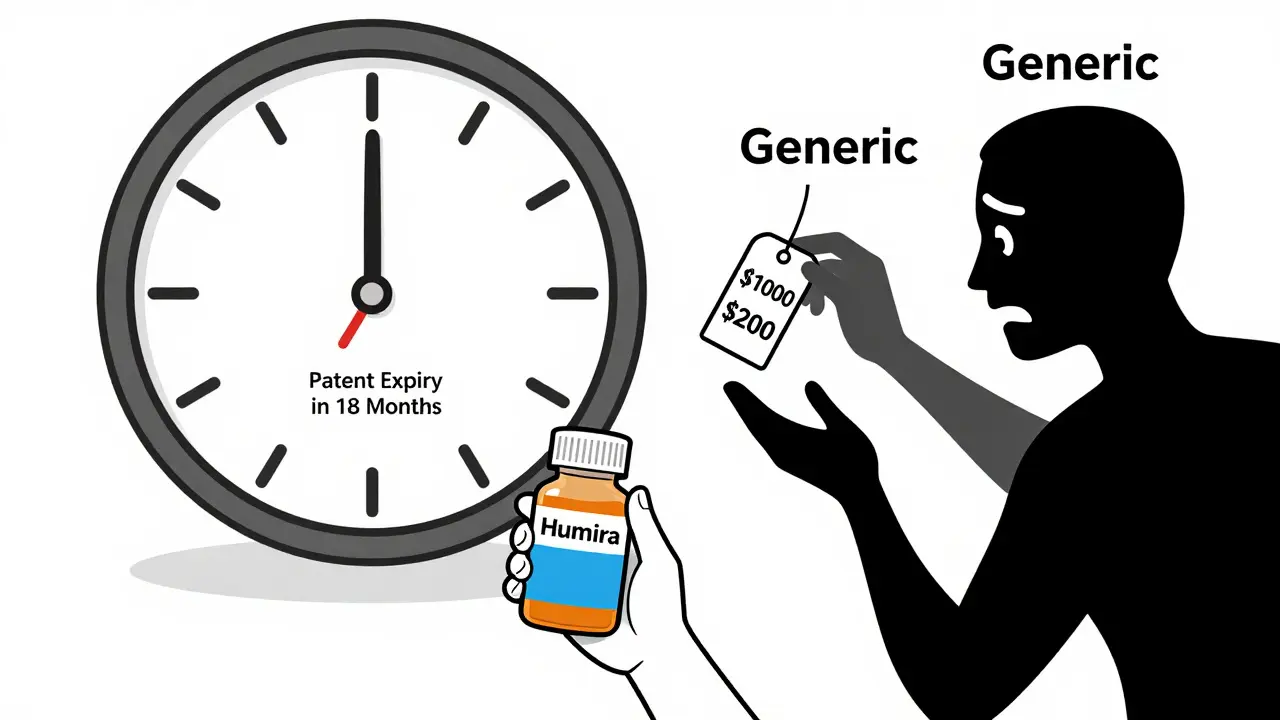
Planning for Patent Expiry: What Patients and Healthcare Systems Need to Do Now
Patent expiry means big savings on drugs-but only if patients and healthcare systems plan ahead. Learn what to do before generics hit the market, how to avoid pitfalls, and why some drugs stay expensive even after patents expire.
read more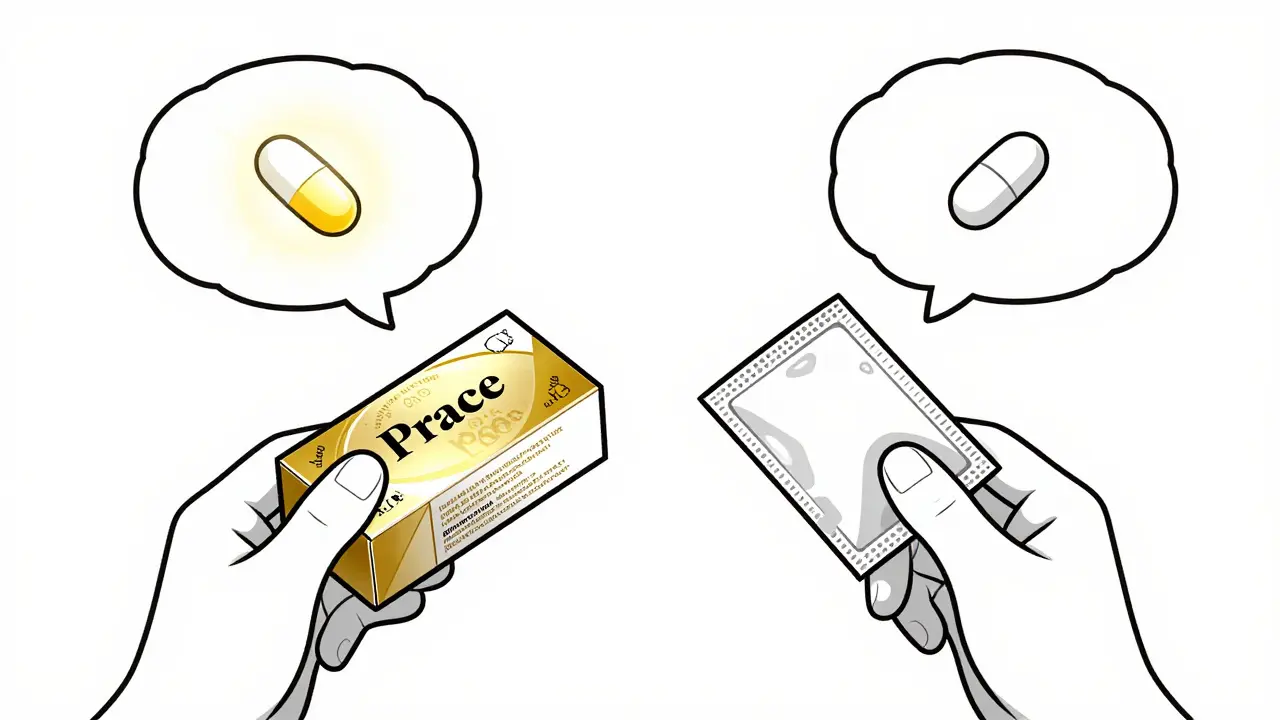
Why Cheaper Drugs Feel Less Effective: The Psychology Behind Price and Perceived Power
Why do cheaper drugs feel less effective-even when they’re scientifically identical? This article explores the psychology behind price-based drug perception, backed by real studies and patient experiences.
read more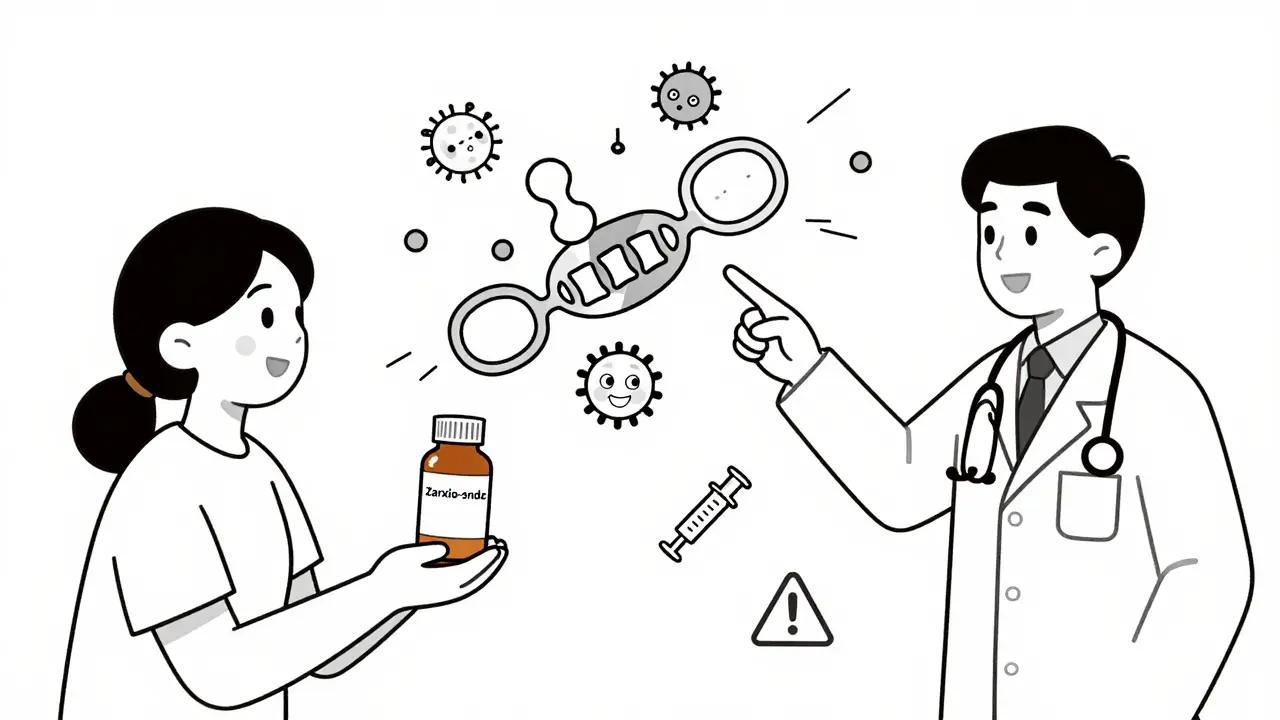
Adverse Event Monitoring for Biosimilars: How Safety Surveillance Works in Real-World Use
Biosimilars aren't like generics-they need advanced safety tracking to catch immune reactions and trace side effects to the right product. Learn how real-world monitoring works, why reporting is broken, and what's being done to fix it.
read more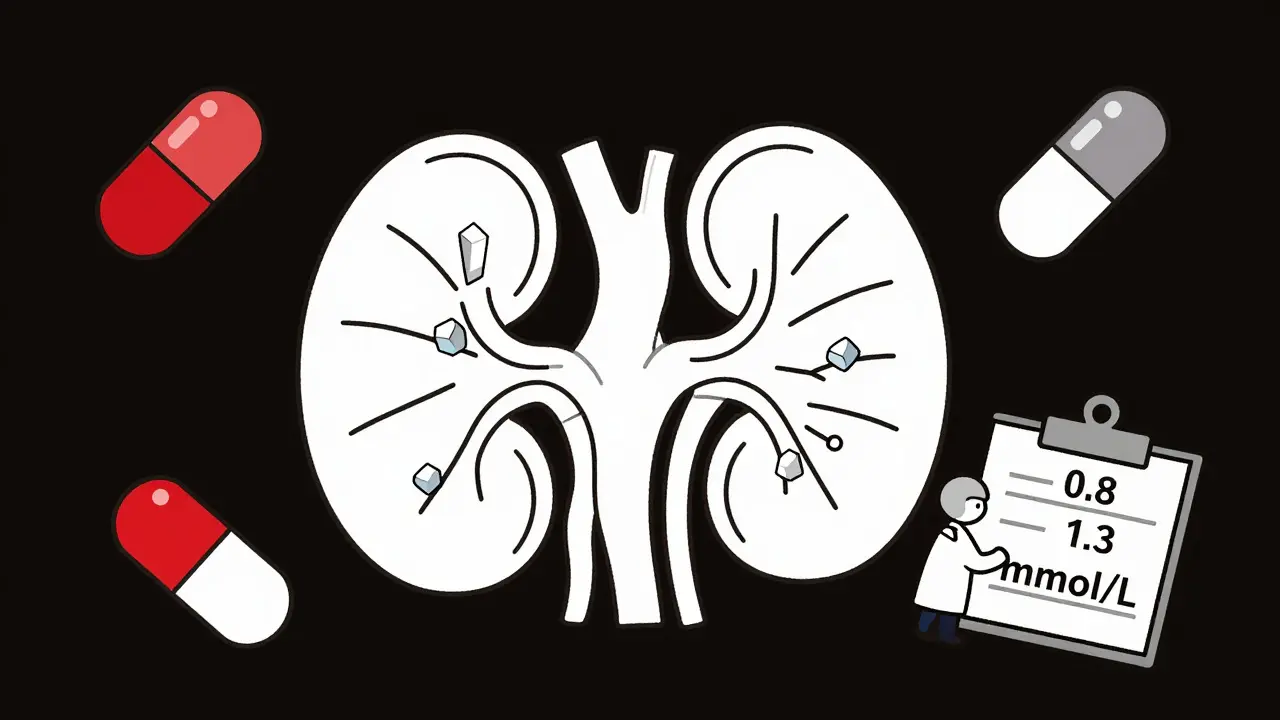
Mood Stabilizers: Lithium, Valproate, and Carbamazepine Interactions Explained
Lithium, valproate, and carbamazepine are key mood stabilizers, but their interactions with other drugs can be dangerous. Learn how NSAIDs, birth control, and even painkillers affect levels-and how to stay safe.
read more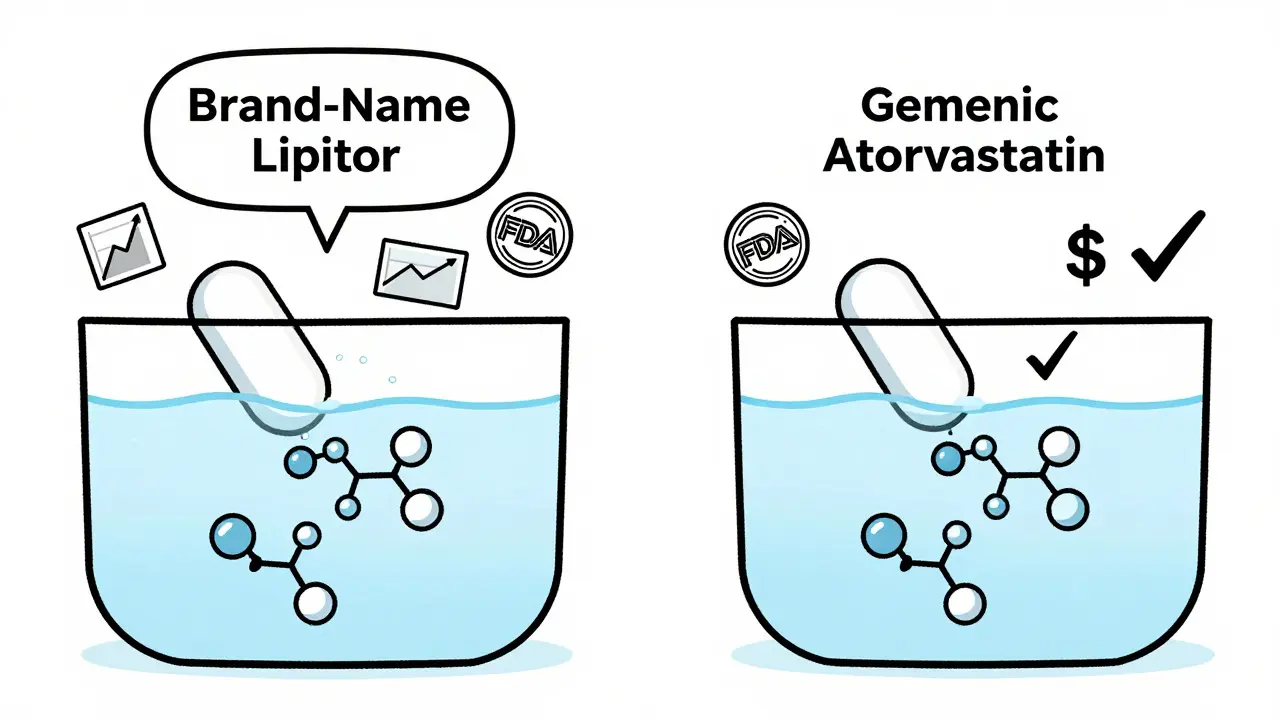
Why Switch to Generic Medications: Proven Reasons and Real Savings
Switching to generic medications saves you up to 85% on drug costs without sacrificing effectiveness. FDA-approved generics work the same as brand-name drugs-here’s why making the switch is smart, safe, and financially essential.
read more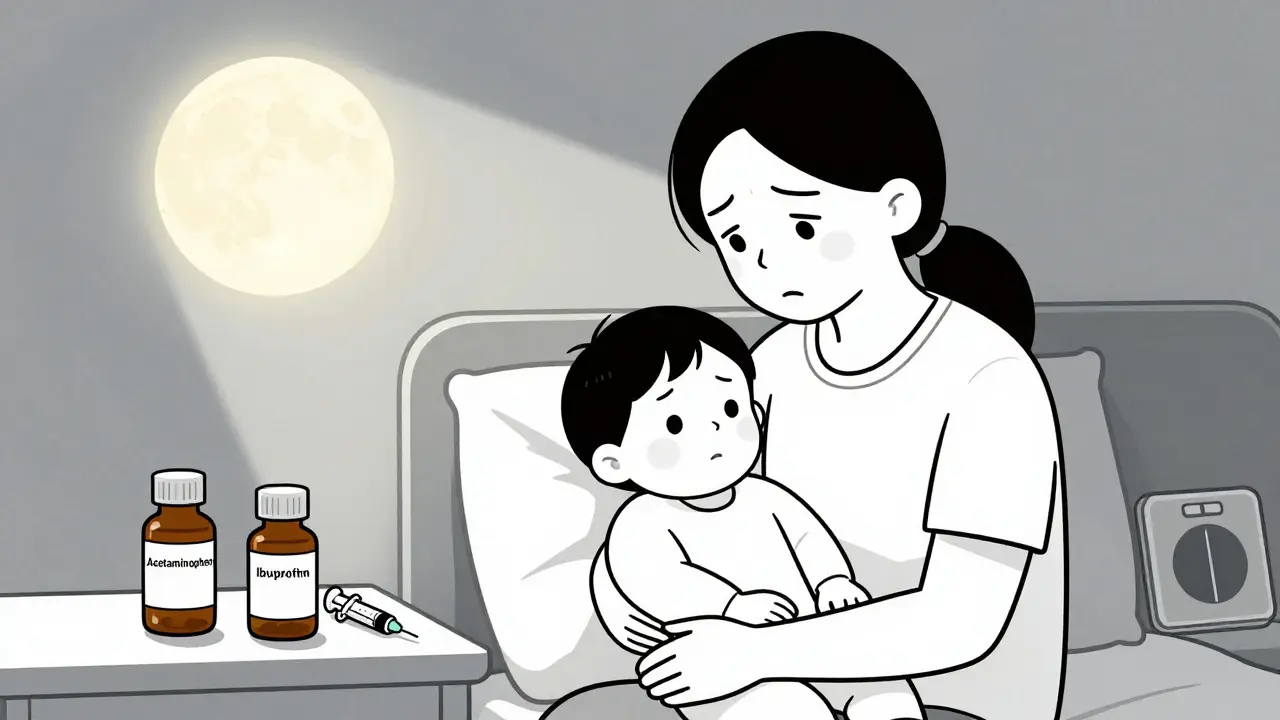
Fever Medication for Kids: Acetaminophen vs. Ibuprofen Safety Guide for Parents
Learn the safest way to use acetaminophen and ibuprofen for kids under two. Find out which medicine works better for fever, when to use each, how to dose correctly, and the biggest mistakes parents make.
read more